Renin: Low vs High Signs, Testing, Blood Pressure, and Kidney Function
Overview
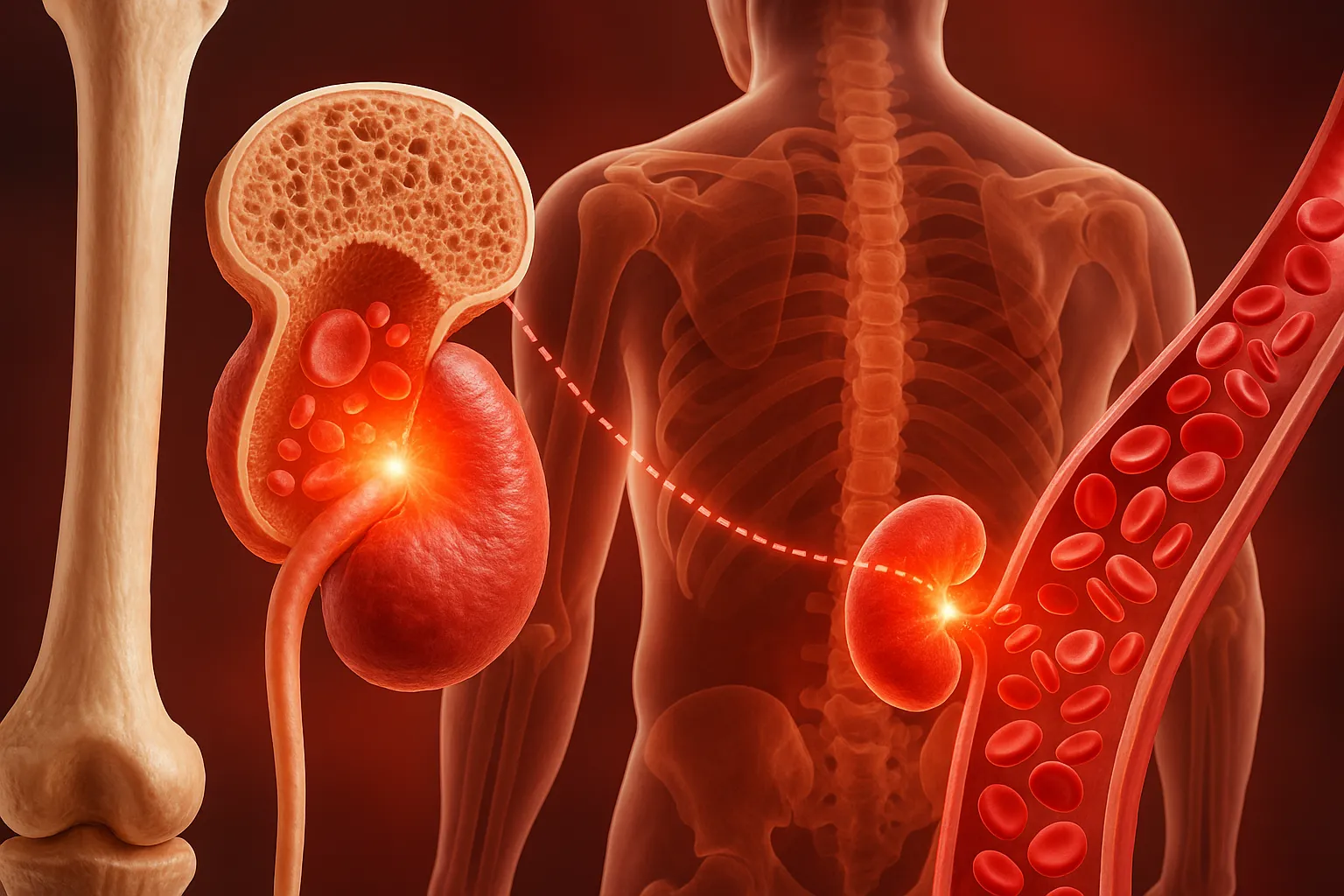
Renin is a hormone and enzyme made by your kidneys. It is the “on switch” for the renin angiotensin aldosterone system, which helps control blood pressure, blood volume, and how much salt your body holds on to.
When your kidneys sense lower blood flow, lower pressure, or less salt arriving in the tubules, they release renin. This starts a chain reaction that can tighten blood vessels and increase Aldosterone, which tells the kidneys to keep more salt and water. Over time, this system can shape how your blood pressure behaves and how your kidneys and heart age.
What Renin is and where it is made
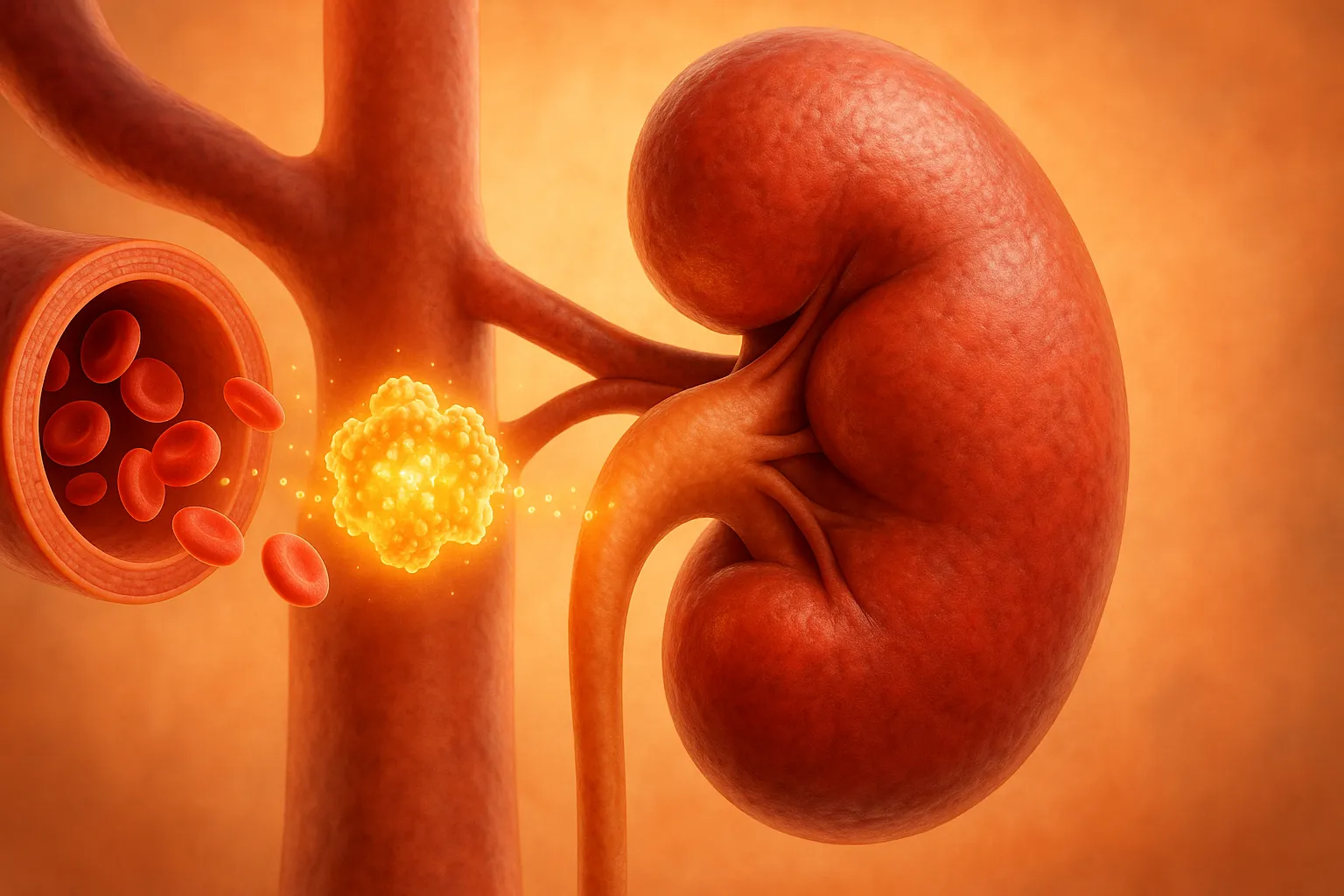
Renin is made by special cells in the kidneys called juxtaglomerular cells.
These cells sit where tiny blood vessels and kidney tubules meet and act like sensors for pressure and salt.
When they detect low pressure, low salt, or strong “stress” nerve signals, they release renin into the blood.
What Renin does in your body
Cleaves angiotensinogen into angiotensin I, which is then converted to angiotensin II.
Helps increase blood pressure by supporting angiotensin II production, which tightens blood vessels and can stimulate aldosterone release.
Influences kidney handling of salt and water indirectly through the renin angiotensin aldosterone system.
Plays a long term role in how blood pressure patterns, kidney function, and heart structure adapt to chronic stressors.
When testing Renin makes sense
Doctors usually order renin when they are trying to understand hard to control blood pressure or a suspected hormone cause of high or low blood pressure. Common reasons include:
High blood pressure that is difficult to treat or starts at a younger age.
Checking for primary aldosteronism, a condition where too much aldosterone is made.
Blood pressure problems with unusual potassium levels.
Suspected kidney artery narrowing or certain kidney diseases.
Fine tuning blood pressure treatment in specialist hypertension clinics.
Renin is often measured together with aldosterone as an aldosterone to renin ratio.
How to think about high and low Renin results
This information is general and does not replace lab specific ranges or your doctor’s judgement.
Low renin might be seen with:
Primary aldosteronism, where high aldosterone “switches off” renin.
Salt sensitive high blood pressure, where the body holds onto salt and fluid.
Very high salt intake or fluid overload, where the system is quiet on purpose.
In these cases, low renin with high blood pressure can point toward hormone or volume driven hypertension.
High renin might be seen with:
Reduced blood flow to the kidneys, for example in kidney artery narrowing or some heart problems.
Low salt intake or strong water pills (diuretics), where the body is trying to compensate.
Situations where both renin and aldosterone are high because of a problem outside the adrenal gland.
Rare renin producing tumors.
A single renin value is rarely enough. Doctors look at renin + aldosterone + blood pressure + medications + salt intake together.
What can influence your Renin levels
Salt intake: very high salt can lower renin, very low salt can raise it.
Blood pressure and blood volume: dehydration or strong diuretics can push renin up.
Kidney health: kidney disease or kidney artery narrowing can change renin.
Blood pressure medications: ACE inhibitors, ARBs, diuretics, beta blockers, and others directly affect this system.
Body position and timing: renin can differ if you are lying down vs standing and at different times of day.
Stress and nervous system activity: higher “fight or flight” activity can increase renin.

When to talk to a healthcare provider about Renin
You have high blood pressure that stays high despite several medications.
You have high blood pressure plus low potassium on repeated tests.
Your lab report shows very high or very low renin, especially with abnormal aldosterone.
You have known kidney disease or possible kidney artery problems and blood pressure swings.
You are unsure how to manage salt intake or how your medications affect this hormone system.
A clinician, often a kidney, blood pressure, or hormone specialist, can read renin together with aldosterone, electrolytes, kidney function, and blood pressure logs to decide on next steps.
Renin in one view
Renin is the kidney derived trigger for the renin angiotensin aldosterone system, helping the body adjust blood pressure, salt handling, and blood volume over hours to years. Its real value comes from how it lines up with Aldosterone, electrolytes, kidney function, and blood pressure trends, so any out of range renin result is best folded into a full cardiovascular and kidney review rather than used as a stand alone target.