Erythropoietin (EPO): Low vs High Signs, Testing, Red Blood Cells, and Oxygen
Overview
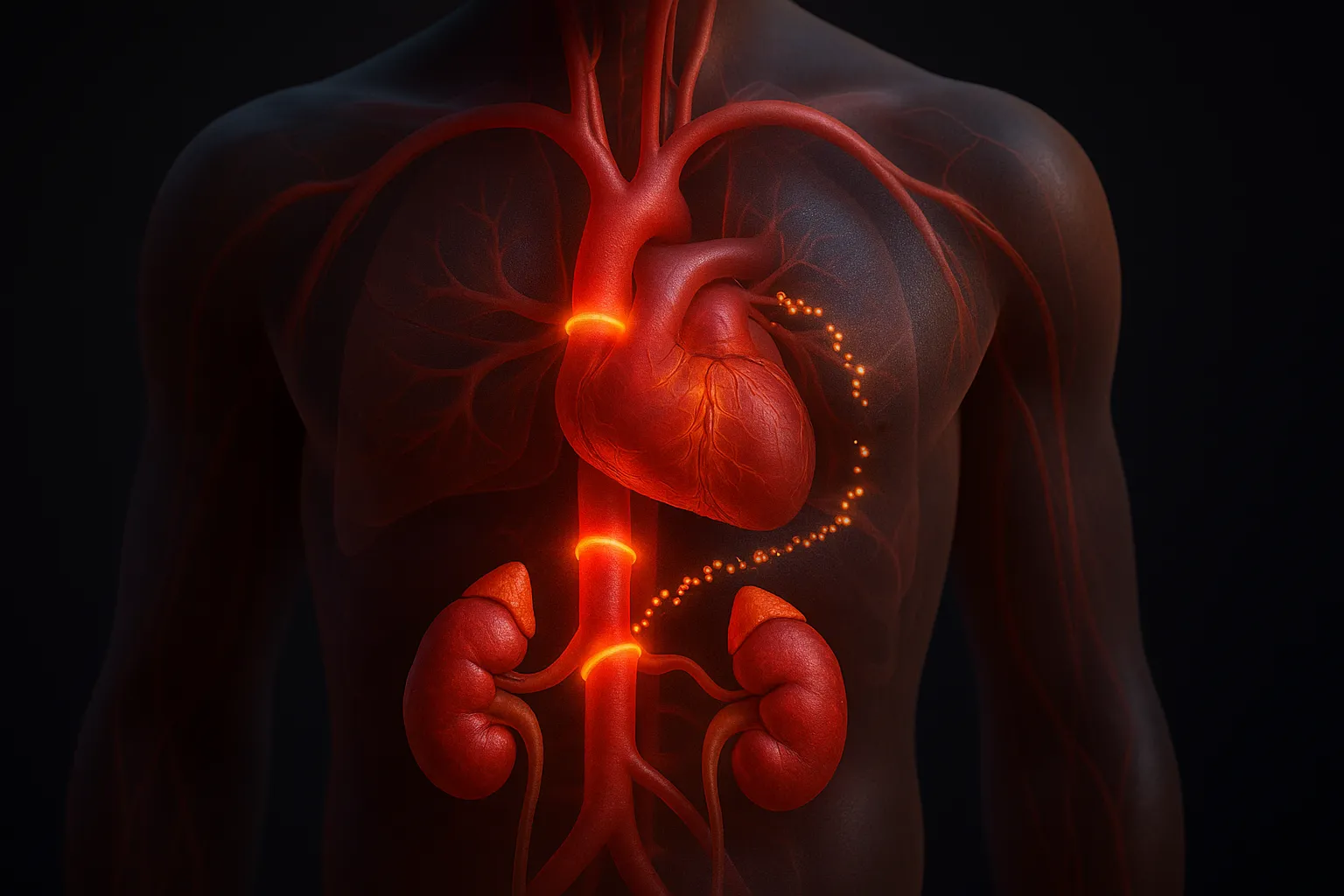
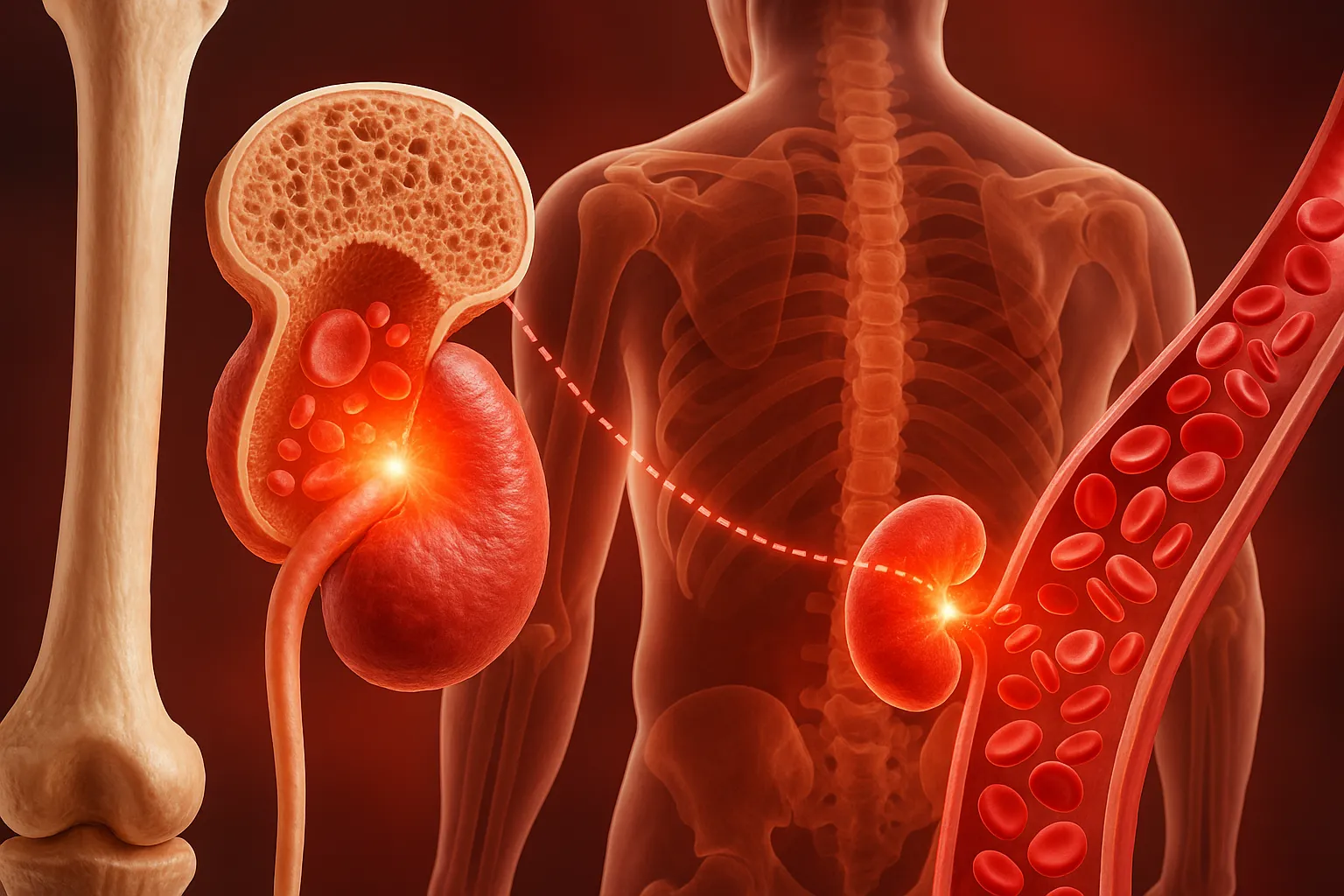
Erythropoietin, usually shortened to EPO, is a hormone that tells the bone marrow how many red blood cells to make. It is produced mainly by the kidneys in response to how much oxygen the body senses in the blood. When oxygen carrying capacity is low, EPO rises and red blood cell production increases. When oxygen delivery is adequate, EPO falls back. This makes EPO central for anemia, exercise tolerance, and long term oxygen delivery to muscles and organs.
In real world labs, EPO is almost always interpreted together with Hemoglobin and the rest of the complete blood count so that hormone signaling and actual red blood cell levels can be viewed side by side.
What Erythropoietin (EPO) is and where it is made
EPO is a glycoprotein hormone produced mainly by specialized cells in the kidneys.
A smaller amount is made in the liver, especially in fetal and early life stages.
Its release is driven by oxygen sensing mechanisms in the kidney that respond to low oxygen delivery.
What Erythropoietin does in your body
Stimulates the bone marrow to make more red blood cells, increasing oxygen carrying capacity.
Helps adjust red blood cell mass over weeks to match the body’s oxygen needs.
Contributes to exercise tolerance, endurance, and recovery by ensuring adequate oxygen delivery to muscles.
Plays a background role in how fatigue, shortness of breath, and stamina feel when hemoglobin is low or high.
When testing Erythropoietin (EPO) makes sense
Workup of anemia when hemoglobin is low and the cause is not yet clear.
Distinguishing between anemia from low EPO production, such as in chronic kidney disease, and anemia from other causes.
Evaluation of high red blood cell counts or polycythemia, to see whether EPO is appropriately low or inappropriately normal or high.
Follow up in chronic kidney disease when deciding on or monitoring EPO stimulating treatments.
Selected hematology evaluations where bone marrow and red blood cell regulation are unclear.
How to think about high and low Erythropoietin results
This information is general and does not replace lab specific reference ranges or medical evaluation.
Low EPO might be associated with:
Chronic kidney disease, where damaged kidneys do not make enough EPO.
Some forms of bone marrow disease where responsiveness to EPO is reduced and feedback is altered.
High oxygen levels for a given tissue demand, where low EPO is a normal feedback response.
In many people with kidney related anemia, low or inappropriately normal EPO is a key contributor to low hemoglobin.
High EPO might be associated with:
Anemia from blood loss, nutritional deficits, or hemolysis where the body is trying to compensate.
Living at high altitude, where oxygen pressure is lower and EPO driven red blood cell production rises.
Some heart or lung diseases that reduce oxygen delivery.
Rare EPO producing tumors or genetic conditions that cause inappropriately high EPO.
High EPO is usually interpreted together with red blood cell count and hemoglobin to separate a healthy adaptation from a disease process.
What can influence your Erythropoietin levels
Kidney function, since the kidney is the main source of EPO.
Oxygen delivery to the kidney, including heart and lung function and altitude.
Degree and cause of anemia, including blood loss, iron deficiency, B12 or folate deficiency, or hemolysis.
Smoking and chronic lung disease that affect oxygen levels.
Use of EPO stimulating agents or related injectable medications.
Some tumors and rare genetic variants that change EPO production or oxygen sensing.

When to talk to a healthcare provider about Erythropoietin (EPO)
Anemia on blood tests, especially if hemoglobin stays low despite addressing iron or other common causes.
Symptoms such as fatigue, shortness of breath with light effort, or reduced exercise tolerance.
Very high red blood cell counts or thick blood patterns on labs.
Known chronic kidney disease with falling hemoglobin or discussions about starting EPO stimulating treatment.
EPO values on a report that are clearly outside the reference range and you are unsure what they mean.
A clinician, often a nephrologist or hematologist, can interpret EPO alongside red blood cell indices, iron studies, kidney function, and oxygen related conditions to decide whether observation, medication, or further testing is appropriate.
Erythropoietin (EPO) in one view
Erythropoietin is the kidney made hormone that tells your bone marrow how many red blood cells to produce, shaping oxygen delivery, stamina, and how anemia feels day to day. Its value becomes meaningful when it is viewed next to hemoglobin and Red Blood Cell Count and interpreted in the context of kidney function, iron status, and symptoms rather than as a stand alone target.