Angiotensin II: Low vs High Signs, Testing, Blood Pressure, and Kidney Effects
Overview
Angiotensin II is a key hormone in the renin angiotensin aldosterone system that helps control blood pressure, blood vessel tone, and kidney perfusion. When blood pressure or blood volume falls, or when kidney blood flow drops, angiotensin II is generated and tightens blood vessels while also stimulating aldosterone release to retain sodium and water. In the short term this helps maintain circulation to vital organs. Over the long term, excess angiotensin II activity can contribute to high blood pressure, heart strain, kidney damage, and vascular remodeling.
Clinicians usually think about angiotensin II together with Renin and aldosterone when evaluating difficult blood pressure patterns, kidney disease, and responses to common drugs like ACE inhibitors and ARBs that block this pathway.
What Angiotensin II is and where it is made
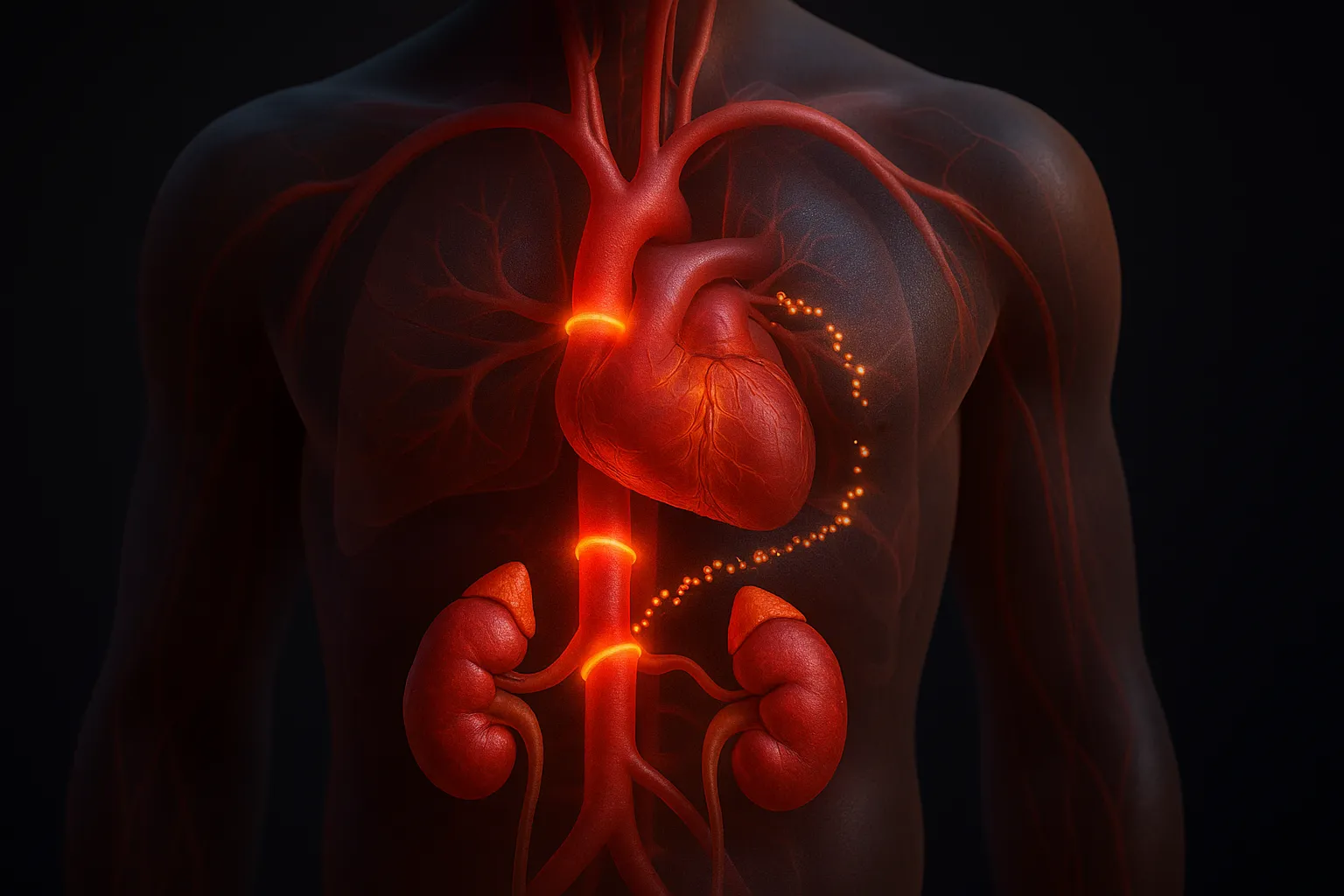
Angiotensin II is a peptide hormone produced in the blood from angiotensin I by enzymes such as angiotensin converting enzyme on the surface of blood vessel cells, especially in the lungs and other tissues.
Angiotensin I itself is generated from angiotensinogen, a liver produced protein, under the influence of renin released by the kidneys.
This cascade means that angiotensin II production reflects signals from the kidney, liver, and vascular system.
What Angiotensin II does in your body
Tightens blood vessels throughout the body, which raises blood pressure and supports blood flow to vital organs.
Stimulates aldosterone release from the adrenal glands, increasing sodium and water retention and promoting potassium loss.
Enhances sympathetic nervous system activity, which can raise heart rate and vascular tone.
Influences kidney blood flow and filtration, helping the kidneys maintain filtration pressure when systemic pressure falls.
Over time, can promote structural changes in the heart and blood vessels, including thickening and stiffening when activity is chronic and high.
When testing Angiotensin II makes sense
Direct angiotensin II testing is not part of routine blood pressure or kidney panels. It is usually reserved for:
Research settings that study the renin angiotensin aldosterone system in detail.
Selected complex hypertension cases or rare endocrine conditions where a specialist is mapping RAAS activity.
Occasional monitoring in specialized centers when newer angiotensin II targeted therapies are used.
In everyday practice, clinicians more often infer angiotensin II activity from blood pressure patterns, renin and aldosterone measurements, kidney function, and the response to ACE inhibitors, ARBs, or mineralocorticoid receptor blockers.
How to think about high and low Angiotensin II activity
This information is general and does not replace lab specific methods or medical evaluation.
Because angiotensin II is rarely measured directly, clinicians usually think in terms of high or low RAAS activity rather than isolated angiotensin II numbers.
Lower angiotensin II activity might be associated with:
Reduced ability to raise blood pressure when standing or during volume loss, sometimes contributing to dizziness or low blood pressure in sensitive individuals.
Effects of medications such as ACE inhibitors, ARBs, or direct renin inhibitors, which intentionally blunt angiotensin II signaling.
Some advanced kidney or adrenal conditions where RAAS signaling is impaired.
Higher angiotensin II activity might be associated with:
High blood pressure, especially when persistent and resistant to usual therapy.
Narrowing of kidney arteries or other conditions that chronically reduce kidney perfusion and drive renin release.
Some forms of heart failure, chronic kidney disease, or endocrine hypertension where RAAS is overactive.
Long term vascular and heart changes that increase cardiovascular risk.
Because many factors influence blood pressure and kidney function, angiotensin II activity is best interpreted as part of a full RAAS and cardiovascular picture rather than in isolation.
What can influence your Angiotensin II activity
Blood volume and salt status, including dehydration, heavy sweating, or very low sodium intake.
Kidney artery health and overall kidney perfusion, which strongly affect renin release.
Chronic conditions such as heart failure, chronic kidney disease, or liver cirrhosis that alter fluid and hormone regulation.
Medications including ACE inhibitors, ARBs, direct renin inhibitors, diuretics, beta blockers, and mineralocorticoid receptor blockers.
Sympathetic nervous system activity, which can interact with RAAS during stress or illness.
Age, vascular health, and genetic factors that shape RAAS set points and tissue responses.

When to talk to a healthcare provider about Angiotensin II related issues
High blood pressure that is difficult to control despite multiple medications and lifestyle changes.
High blood pressure with kidney disease, heart failure, or evidence of organ damage on imaging or labs.
Unexplained low blood pressure, dizziness on standing, or fainting, especially if RAAS blocking medications are in use.
Questions about whether ACE inhibitors, ARBs, or related drugs are appropriate for your risk profile.
Concerns about potassium levels, kidney function, or side effects that might be related to RAAS active medications.
A clinician or hypertension specialist can interpret blood pressure trends, kidney function, renin and aldosterone patterns, and medication response to decide how much RAAS and angiotensin II activity is helping or harming in your situation and how best to adjust therapy.
Angiotensin II in one view
Angiotensin II is a central RAAS hormone that narrows blood vessels and drives aldosterone release to keep blood pressure and kidney perfusion from falling, which is helpful in the short term but can be harmful when this signal stays high for years. In real life, its impact is managed indirectly through common blood pressure and kidney medications that target the renin angiotensin aldosterone system, often together with Aldosterone focused strategies, so decisions are based on blood pressure patterns, kidney labs, and overall risk rather than on angiotensin II levels alone.