Oxytocin: Low vs High Signs, Testing, Bonding, and Stress
Overview
Oxytocin is a hormone made in the brain that supports bonding, social connection, sexual function, and key parts of birth and breastfeeding. It is released both into the bloodstream and within brain circuits that shape how safe or connected we feel. During labor, oxytocin helps the uterus contract. After birth, it supports milk let down during breastfeeding. Outside pregnancy, oxytocin is involved in orgasm, trust, and calming aspects of the stress response.
Clinicians often consider oxytocin together with Vasopressin, since these related hormones are produced in neighboring brain regions and share some roles in social behavior and fluid regulation.
What is Oxytocin
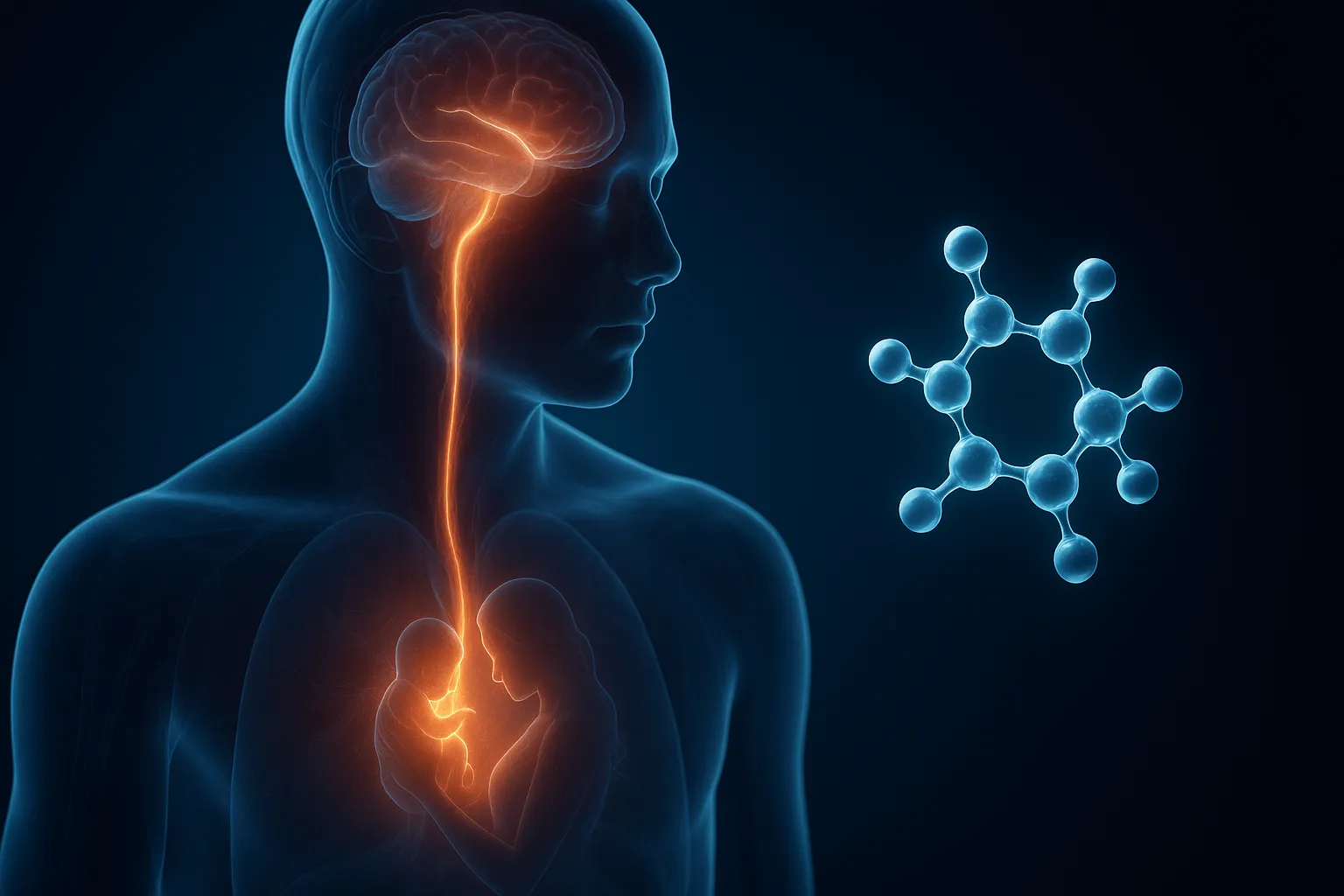
Oxytocin is a peptide hormone produced in the hypothalamus and released from the posterior pituitary gland into the bloodstream.
It is also released within the brain, where it acts as a signaling molecule in networks that regulate social behavior, stress, and emotional processing.
Its release can be triggered by physical touch, sexual activity, labor, breastfeeding, and some social and sensory cues.
What Oxytocin does in your body
Triggers and coordinates uterine contractions during labor when used by the body or as a medication.
Supports milk let down by helping milk flow from the breast during breastfeeding.
Contributes to sexual arousal and orgasm in all sexes.
Modulates social bonding, trust, and feelings of safety in close relationships.
Interacts with stress systems and can promote a calmer, more connected response to stress in some contexts.
When testing Oxytocin makes sense
Oxytocin is not a routine blood test in standard clinical practice. When it is measured, it is usually in:
Research settings that study social behavior, bonding, stress, or neuropsychiatric conditions.
Selected specialist contexts where experimental or closely monitored oxytocin based treatments are being evaluated.
In everyday clinical care, oxytocin is more often used as a medication in labor and postpartum care rather than measured as a lab marker.
How to think about high and low Oxytocin patterns
Because oxytocin is released in pulses and acts both in blood and locally in the brain, single blood values are hard to interpret. Most of what is known is based on patterns and context rather than rigid cut offs. This information is general and does not replace specialist evaluation.
Lower oxytocin activity might be associated with:
Difficulty with milk let down during breastfeeding in some people.
Possible contributions to social withdrawal, feeling less connected, or higher perceived stress, although many other factors are usually involved.
Certain neurodevelopmental or psychiatric conditions in research settings, without clear individual level rules.
Higher oxytocin activity might be associated with:
Active labor and postpartum periods, especially during strong uterine contractions.
Periods of intense bonding, physical closeness, or frequent breastfeeding.
Use of oxytocin containing medications or nasal sprays under medical supervision.
These are broad patterns. There is no simple “good” or “bad” oxytocin number, and lab tests are less central than clinical context.
What can influence your Oxytocin levels
Pregnancy, labor, and postpartum status, especially breastfeeding.
Physical touch, sexual activity, and close, supportive social interactions.
Stress level and how safe or unsafe an environment feels.
Sleep quality and circadian rhythm.
Some medications or experimental treatments that act on oxytocin pathways.
Underlying brain, endocrine, or psychiatric conditions in certain cases.
When to talk to a healthcare provider about Oxytocin
Questions about the use of oxytocin during labor, induction, or augmentation of contractions.
Concerns about milk let down or breastfeeding in the early postpartum period.
Ongoing distress in relationships, bonding, or stress management where you are wondering about hormonal contributions and possible support options.
Interest in experimental or off label oxytocin based treatments for mood or social conditions, which should always be reviewed with a specialist.
A clinician can help separate what is likely related to oxytocin from what is more strongly driven by environment, sleep, stress, and other hormones, and can guide safe use of any oxytocin based medication where it is appropriate.
Oxytocin in one view
Oxytocin is a brain and pituitary hormone that sits at the crossroads of birth, breastfeeding, bonding, and stress regulation. Rather than being judged by a single lab value, its effects show up in how we move through labor, feed a newborn, and feel in close relationships, and it is best approached through supportive environments, stress management, and, when needed, structured plans with a clinician, for example as part of a broader Stress Resilience Approach.