Vasopressin: Low vs High Signs, Testing, Blood Pressure, and Fluid Balance
Overview
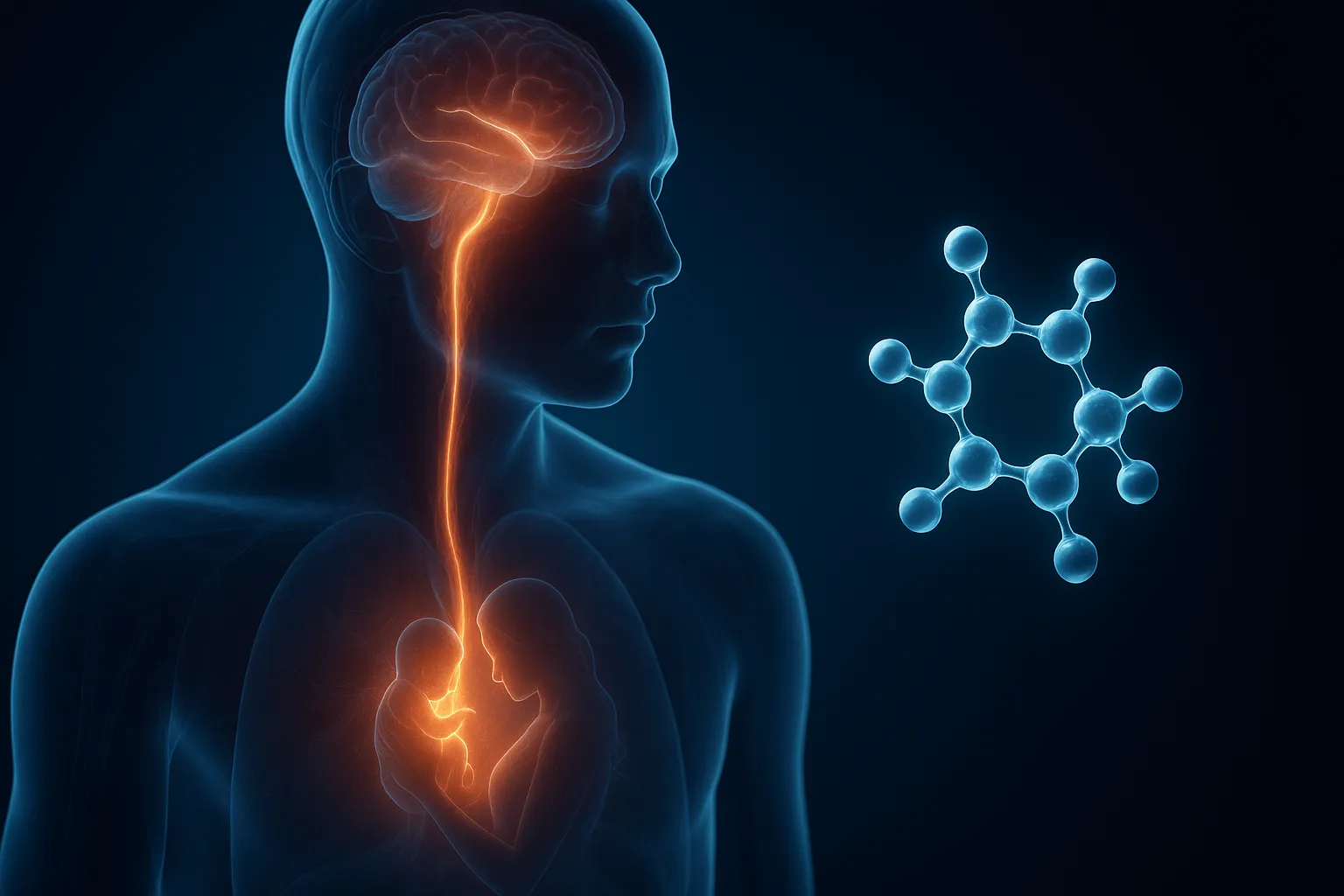
Vasopressin, also known as antidiuretic hormone or ADH, is a hormone made in the brain that helps the kidneys decide how much water to keep or release in urine. When vasopressin is working well, it supports stable blood pressure, steady blood sodium levels, and reasonable night time urine production. When levels are too low or too high, people can develop powerful thirst, very dilute or very concentrated urine, low sodium, or swings in blood pressure.
In practice, vasopressin related disorders are usually assessed through urine concentration and blood Sodium rather than by vasopressin levels alone.
What Vasopressin is and where it is made
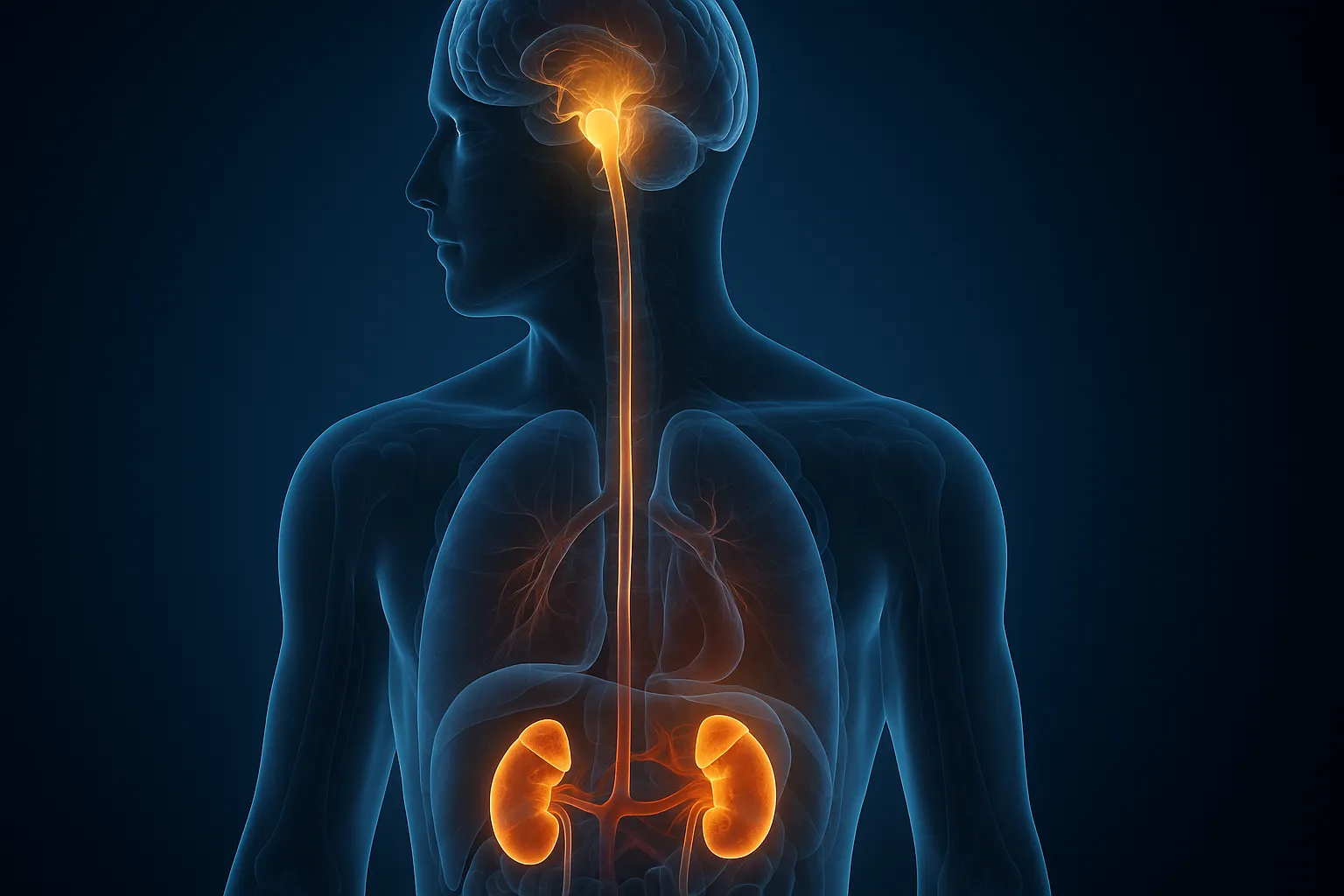
Vasopressin is a peptide hormone produced in the hypothalamus and released from the posterior pituitary gland into the bloodstream.
Its release is mainly controlled by blood osmolality (how concentrated the blood is) and by blood volume or pressure.
It travels through the circulation to the kidneys, where it acts on specific receptors in the collecting ducts.
What Vasopressin does in your body
Increases water reabsorption in the kidneys, helping the body conserve water and produce more concentrated urine.
Supports blood pressure by helping maintain blood volume when fluids are low.
Helps stabilize blood sodium levels by adjusting free water handling.
Plays a role in night time urine production and the ability to sleep through the night without frequent urination.
Interacts with stress and cardiovascular systems, especially in acute illness or major blood loss.
When testing Vasopressin makes sense
Vasopressin itself is measured less often than related clinical patterns, but vasopressin or its surrogates may be assessed in:
Suspected central diabetes insipidus, where vasopressin production or release from the brain is reduced.
Suspected nephrogenic diabetes insipidus, where the kidneys do not respond properly to vasopressin.
Complex cases of low blood sodium, especially when the cause is unclear.
Research or specialist endocrine settings using specific vasopressin or copeptin assays.
Most standard evaluations rely more on blood sodium, urine osmolality, and response to water and medication tests than on a single vasopressin value.
How to think about high and low Vasopressin patterns
This information is general and does not replace lab specific methods or specialist evaluation.
Low vasopressin activity might be associated with:
Central diabetes insipidus, where the brain does not make or release enough vasopressin.
Very large amounts of dilute urine, intense thirst, and risk of high blood sodium if fluids are not replaced.
Difficulty sleeping through the night because of frequent large volume urination.
High vasopressin activity might be associated with:
States where the body is trying to conserve water, such as dehydration or significant blood loss.
Some forms of low sodium where water is retained out of proportion to salt.
Heart failure, liver cirrhosis, or some lung and brain diseases that trigger vasopressin release.
Because vasopressin responds quickly to changes in fluid status, stress, and medications, patterns of urine concentration, sodium, and clinical context usually matter more than a single hormone value.
What can influence your Vasopressin levels
Total fluid intake and recent dehydration or overhydration.
Blood sodium concentration and overall osmolality.
Blood pressure and blood volume changes, including bleeding or diuretic use.
Alcohol intake, which can suppress vasopressin and increase urine production in the short term.
Medications, including diuretics and drugs that mimic or block vasopressin at the kidney.
Kidney, heart, liver, and brain health, especially conditions that stress fluid regulation systems.
Severe illness, pain, surgery, or stress, which can temporarily change vasopressin patterns.

When to talk to a healthcare provider about Vasopressin
Very frequent urination with large volumes of pale urine and strong thirst.
Low sodium levels on blood tests, especially when linked to confusion, headaches, or nausea.
Worsening swelling, shortness of breath, or low sodium in heart or liver disease.
Concerns about diabetes insipidus, especially after brain surgery, head trauma, or pituitary problems.
Questions about how much fluid to drink and how to adjust medications that affect fluid balance.
A clinician can interpret your symptoms and tests, including sodium, kidney function, urine concentration, and sometimes vasopressin related assays, to decide whether lifestyle changes, fluid guidance, medication, or specialist referral is needed.
Vasopressin in one view
Vasopressin is a key water and blood pressure hormone that helps the kidneys decide how much water to keep, shaping urine concentration, blood sodium, and night time bathroom trips. Because its effects show up most clearly in sodium levels, urine concentration, and symptoms, it is best understood as part of a broader fluid and sleep plan, often alongside a structured Sleep Optimization Routine, rather than by chasing a single lab value.