Enkephalins: Natural Pain Modulators, Mood, Stress, and Recovery
Overview
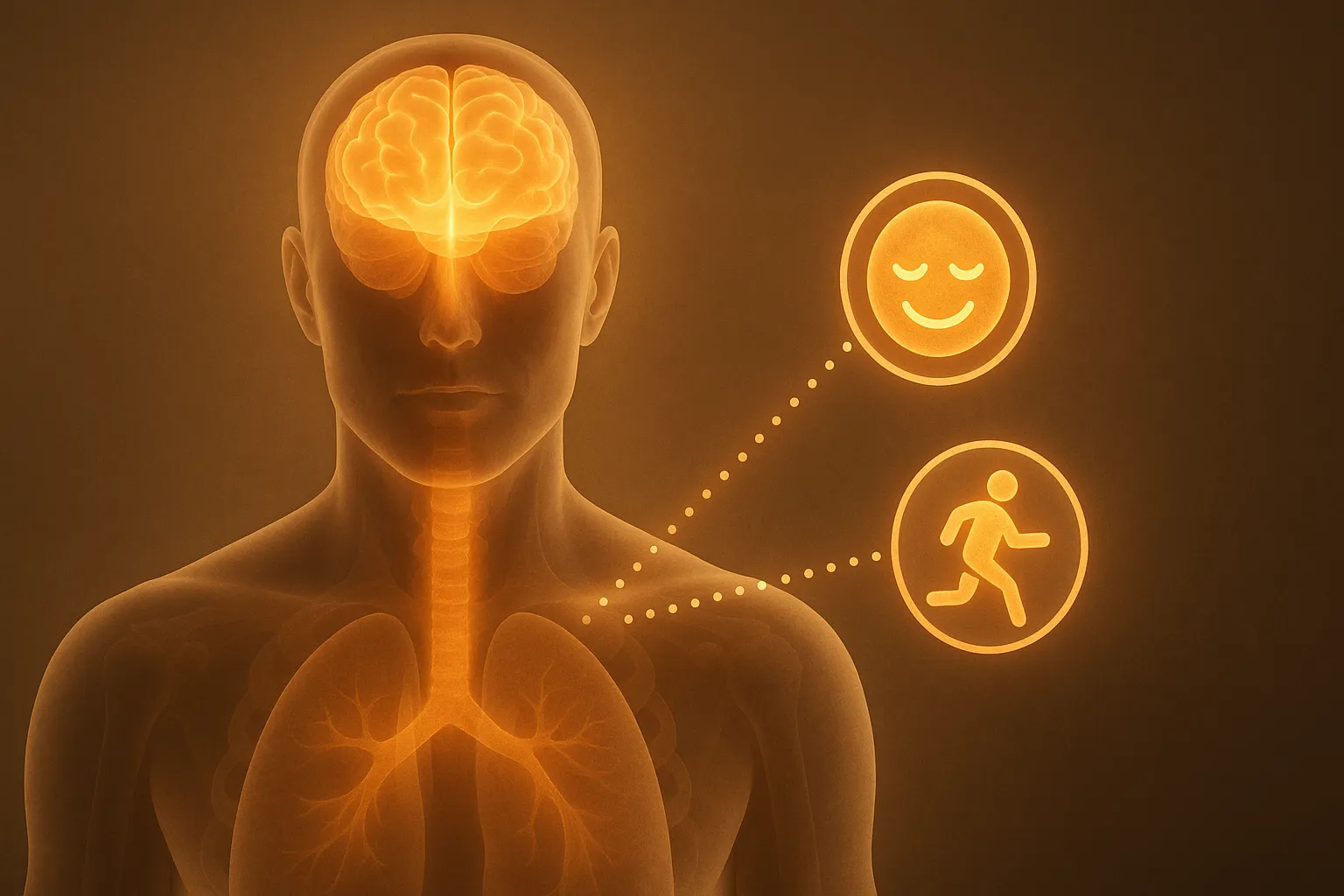
Enkephalins are small peptide molecules that act like your body’s own built in pain relievers. They bind to opioid receptors in the brain and spinal cord and help dampen pain signals, ease stress, and support a calmer mood. They work alongside other natural opioid signals such as Beta-Endorphin and are part of the system that can make movement, connection, and laughter feel soothing.
What Enkephalins are and where they are made
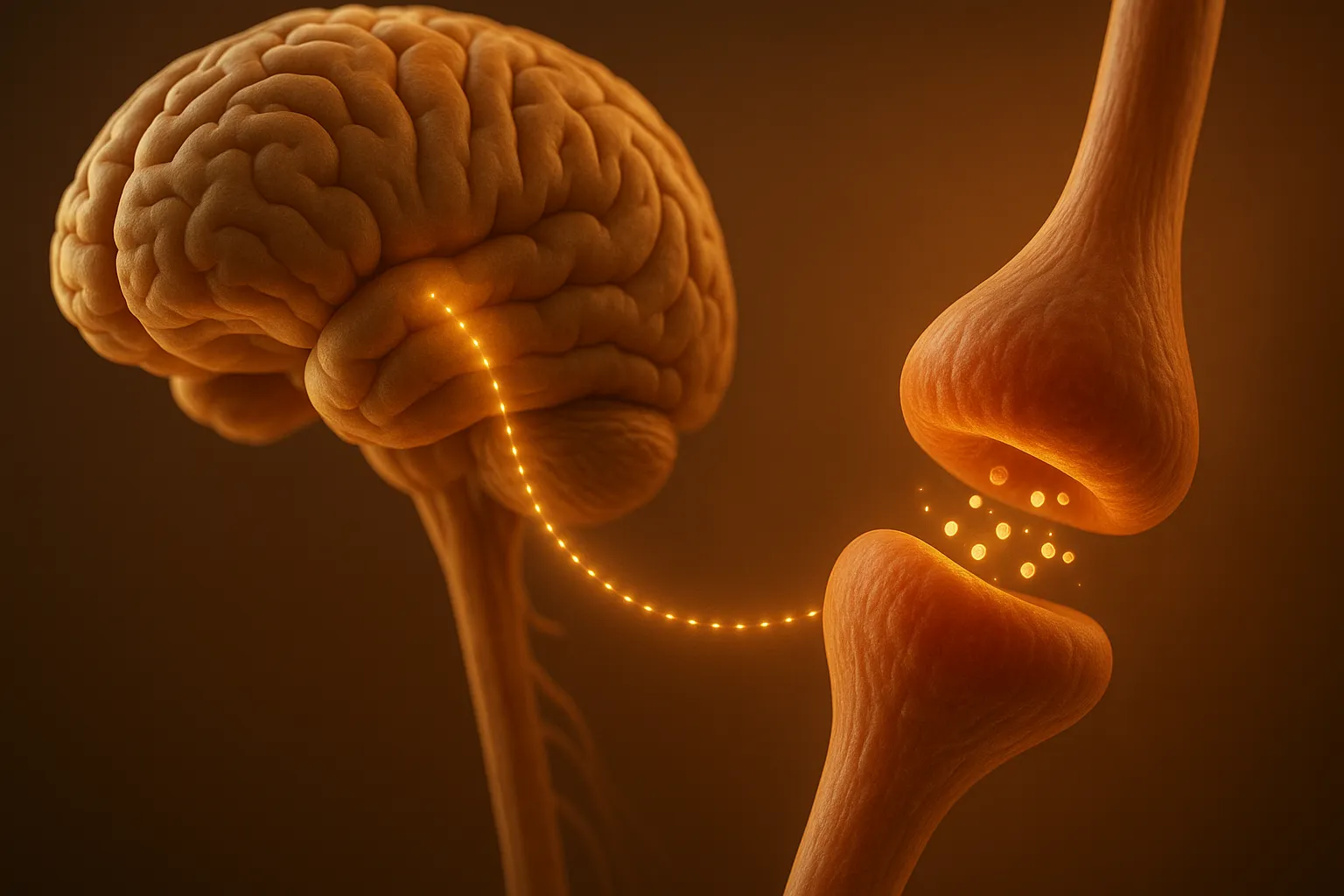
Enkephalins are short opioid peptides produced in the brain, spinal cord, and some peripheral nerves.
They are made from larger precursor proteins that are cut into active pieces inside nerve cells.
Once released, they act locally on nearby opioid receptors rather than circulating as a classic blood hormone.
What Enkephalins do in your body
Reduce the strength of pain signals as they travel through the spinal cord and brain.
Help you cope with acute stress by softening pain and distress for a short period.
Contribute to feelings of relief, calm, or mild pleasure after activity or emotional release.
Interact with other systems that affect mood, reward, and motivation, such as dopamine and serotonin.
When Enkephalins come into the picture
Enkephalins are not part of standard blood work.
They mainly show up in:
Scientific explanations of how the body’s own pain control system works.
Research on pain, addiction, mood, and stress resilience.
Specialist discussions about how long term opioid use or chronic pain may change natural opioid signaling.
In everyday practice, clinicians focus on symptoms, function, mood, and medication patterns rather than ordering an “enkephalin level.”
How to think about higher vs lower Enkephalin activity
There is no routine lab range for enkephalins used in clinics. What matters more is how the whole pain and stress system behaves. This is broad background, not a diagnostic rule.
Higher or more effective enkephalin activity might be associated with:
Better short term pain tolerance during stress or exercise.
A stronger sense of relief once a stressor or effort is over.
More natural buffering against discomfort, within healthy limits.
Lower or blunted enkephalin activity might be associated with:
Increased pain sensitivity or feeling “raw” to stress.
Less sense of relief after movement or positive experiences.
Possible contribution to mood symptoms or reliance on external numbing strategies, although many other factors are always involved.
These patterns are inferred from symptoms and history, not from a single hormone number.
What can influence your Enkephalin system
Physical activity - especially rhythmic, moderate movement like walking, cycling, or light running.
Acute vs chronic stress - short bursts of stress can increase natural opioid activity, while long term unrelieved stress may wear systems down.
Sleep quality - poor or fragmented sleep can increase pain sensitivity and reduce resilience.
Social connection and positive experiences - touch, connection, laughter, and meaningful activities can support natural opioid signaling.
Chronic pain and opioid medications - long term pain and high dose opioids can change receptor sensitivity and natural endorphin and enkephalin patterns.
Other brain chemicals - interactions with Dopamine, Serotonin, and Stress hormones.

When to talk to a healthcare provider about Enkephalin related issues
You do not need an enkephalin test to know something is off. It is worth speaking with a clinician when:
Pain is frequent or long lasting and is affecting your sleep, mood, or daily function.
You find yourself relying more and more on pain medicines, alcohol, or other substances to “take the edge off.”
Activities that used to feel rewarding or soothing now feel flat or exhausting.
You are concerned about a cycle of chronic pain, low mood, and stress that is hard to break.
A clinician can help you look at the whole picture - pain drivers, nervous system sensitivity, mood, sleep, movement, and medicines - and build a plan that supports your own pain control systems rather than focusing narrowly on one peptide.
Enkephalins in one view
Enkephalins are small, opioid-like peptides that your nervous system uses to turn down pain signals and soften stress, working alongside other natural opioids like beta-endorphin. They are not measured in routine labs; instead, their role shows up in how you experience pain, relief, and stress over time, often together with broader mood and reward signals such as Dopamine. If pain, mood, and coping feel out of balance, the next step is to work with a clinician on sleep, movement, pain strategies, and mental health support, rather than trying to “fix” enkephalins directly.