Serotonin: Low vs High Signs, Testing, Mood, and Sleep
Overview
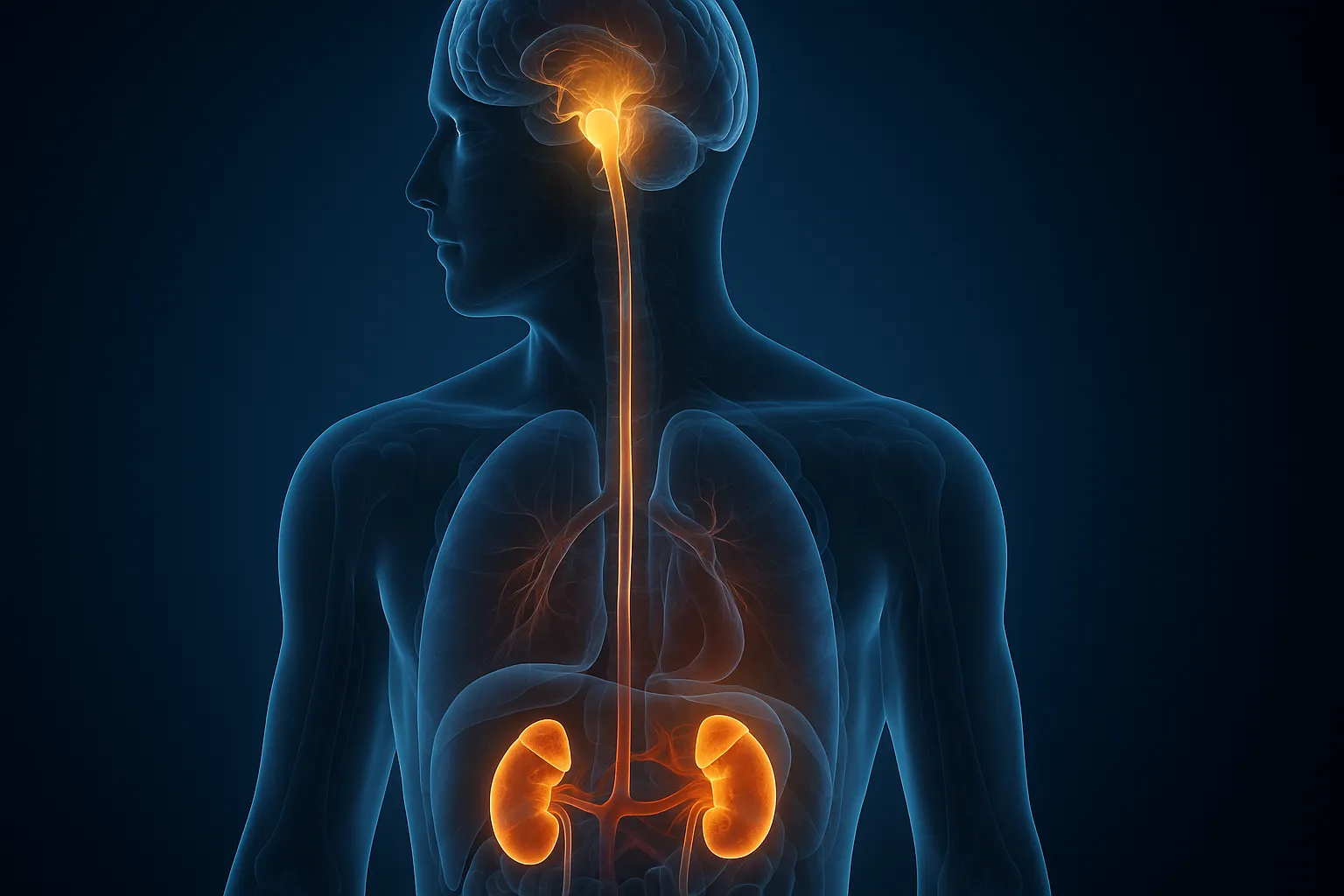
Serotonin is a neurotransmitter and hormone that helps regulate mood, anxiety, sleep, appetite, pain perception, and aspects of gut function. A large portion of serotonin is made in the gut, while brain serotonin circuits are more directly involved in mood and sleep. Many antidepressant and anti anxiety medications work in part by changing how serotonin is handled at synapses.
In clinical practice, serotonin is rarely measured directly in the brain. Instead, clinicians look at symptoms, mental health history, medications, and related systems, and often think about serotonin together with Dopamine when looking at motivation, reward, and mood balance.
What Serotonin is and where it is made
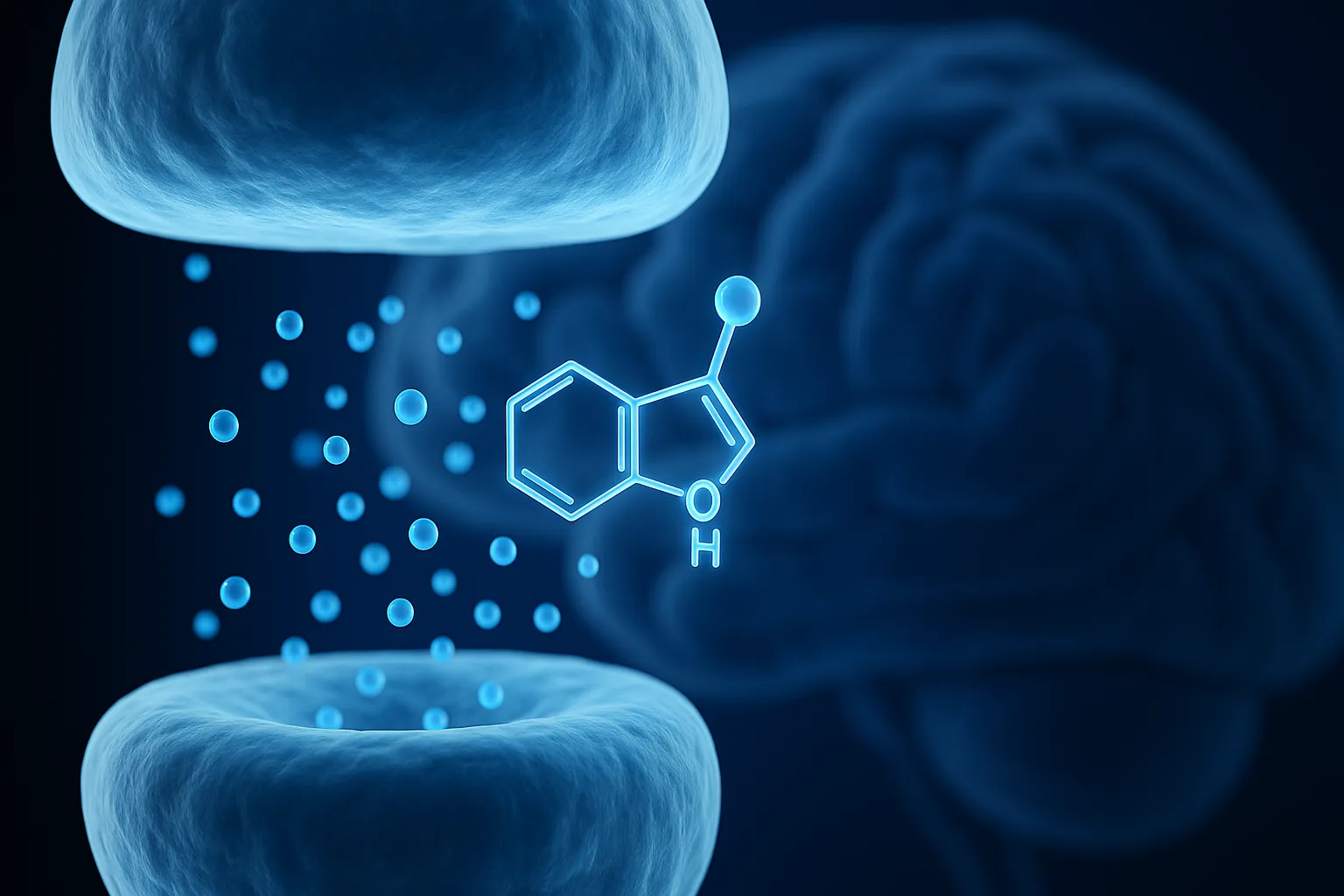
Serotonin is a monoamine neurotransmitter synthesized from the amino acid tryptophan.
Most serotonin in the body is produced in the gut by specialized cells in the intestinal lining.
In the brain, serotonin producing neurons are concentrated in the raphe nuclei and send projections throughout many brain regions.
What Serotonin does in your body
Helps regulate mood and emotional tone, with low or disrupted signaling linked to anxiety and depression in many people.
Influences sleep onset, sleep architecture, and interactions with melatonin and circadian rhythms.
Modulates appetite and food choices, including cravings and satiety signals.
Affects pain perception and sensitivity.
Participates in gut motility and some aspects of nausea and bowel function.
When testing Serotonin makes sense
Evaluation of rare serotonin producing tumors such as carcinoid syndrome, usually with serotonin metabolites in urine or blood.
Selected research or specialist settings studying neurotransmitter pathways.
Occasional use in complex gut or endocrine evaluations guided by a specialist.
For common mental health conditions such as depression or anxiety, routine serotonin blood tests are not used to make a diagnosis or pick treatment. Clinicians rely on symptom patterns, history, and response to therapy and medications instead.
How to think about high and low Serotonin results
This information is general and does not replace lab specific reference ranges or medical evaluation.
Low serotonin activity might be associated with:
Low mood, increased anxiety, irritability, or emotional sensitivity in some people.
Sleep onset problems, frequent waking, or nonrestorative sleep patterns.
Changes in appetite, such as carb or sugar cravings under stress.
Increased pain sensitivity or more frequent headaches in some contexts.
These patterns are inferred from symptoms and response to treatment rather than from standard blood serotonin tests.
High serotonin levels might be associated with:
Serotonin syndrome, a potentially serious condition usually caused by medication interactions or overdose, with agitation, confusion, stiff or jerky muscles, fever, and autonomic changes.
Serotonin producing tumors in rare cases, with flushing, diarrhea, and other systemic symptoms.
Any concern about serotonin syndrome or tumor related serotonin excess needs urgent assessment and medication review rather than self treatment.
What can influence your Serotonin levels or signaling
Medications such as SSRIs, SNRIs, some migraine drugs, and others that act on serotonin pathways.
Combined use of multiple serotonergic drugs or supplements, which can increase the risk of serotonin syndrome.
Sleep quality and circadian rhythm, which affect serotonin and melatonin dynamics.
Sunlight and outdoor light exposure, which can influence mood and circadian linked serotonin pathways.
Diet and tryptophan intake, especially in the context of overall nutrition and carbohydrate pattern.
Chronic stress, trauma history, and current psychological load.
Gut health and some gastrointestinal conditions that involve serotonin producing cells.

When to talk to a healthcare provider about Serotonin
Persistent low mood, anxiety, or sleep problems lasting weeks or longer.
Thoughts of self harm, hopelessness, or loss of interest in usual activities.
Sudden onset of agitation, confusion, muscle stiffness, tremor, sweating, or fever after a change in medications or supplements.
Complex medication regimens that include several drugs or products affecting serotonin.
Questions about how best to combine lifestyle approaches, therapy, and medication in your specific situation.
A clinician or mental health professional can help assess symptoms, choose appropriate therapies, and review medications and supplements for safety, rather than relying on serotonin lab values alone.
Serotonin in one view
Serotonin is a widely acting neurotransmitter hormone that helps shape mood, sleep, appetite, and pain perception, with most clinical work based on symptoms and medication response rather than direct blood measurements. For many people, the most practical approach is to support serotonin pathways through a mix of therapy, movement, light exposure, structured sleep habits such as a Sleep Optimization Routine , and carefully chosen medications when needed, all planned together with a clinician.