Beta-Endorphin: Mood, Pain Relief, Stress, and Exercise Effects
Overview
Beta-endorphin is one of your body’s own “natural opioids.” It is made in the brain and pituitary gland and can reduce pain signals, ease stress, and create a sense of calm or mild euphoria, especially during or after exercise. It is part of why a workout, a good laugh, or deep connection can feel both soothing and energizing.
It works together with other mood and reward signals like Dopamine, shaping how you experience pleasure, effort, and recovery after stress.
What Beta-Endorphin is and where it is made
Beta-endorphin is a peptide from the endorphin family, which act on the same types of receptors that opioid pain medicines use.
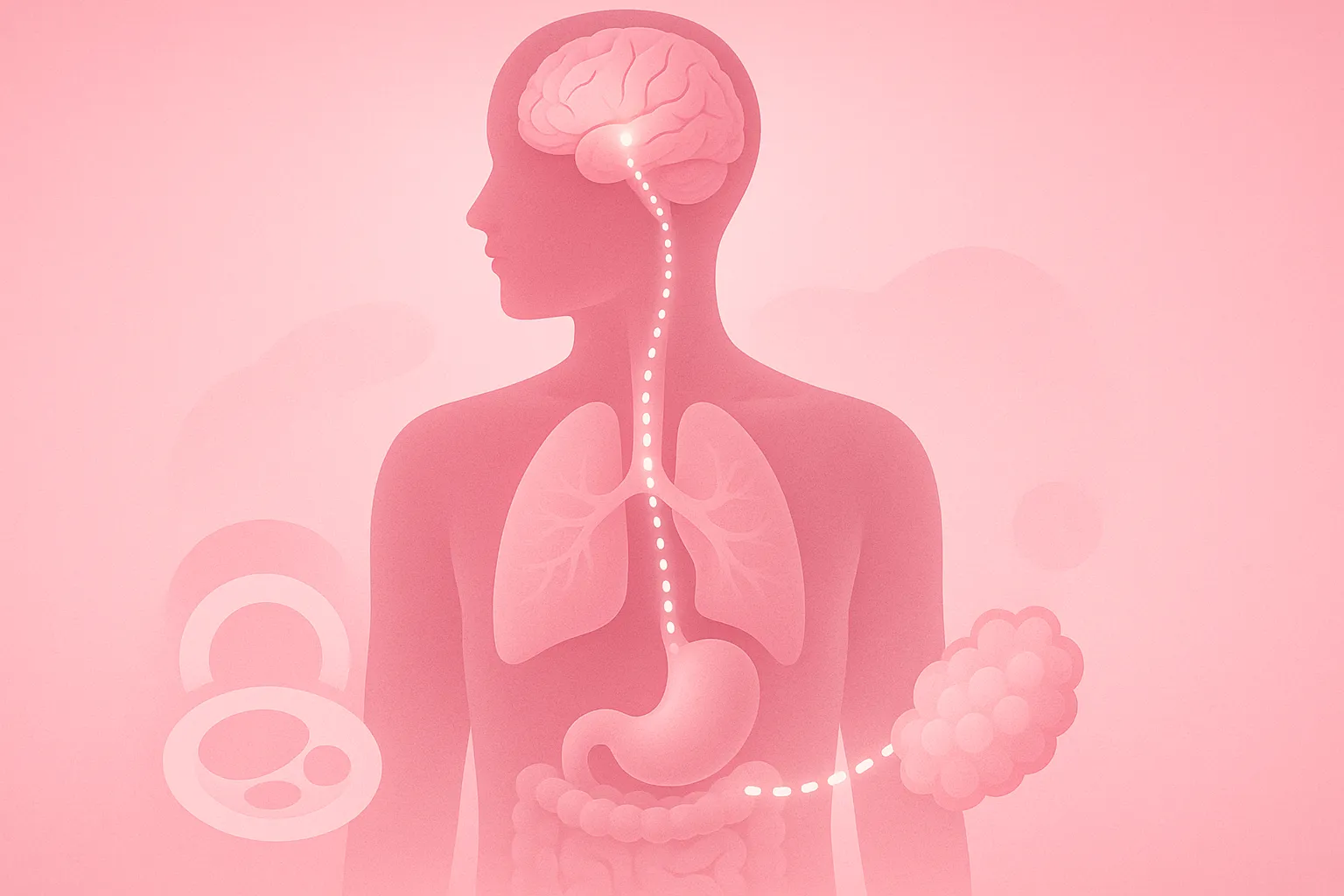
It is produced mainly in the pituitary gland and certain brain regions from a larger precursor protein called POMC.
From there, it can act within the brain or be released into the bloodstream to influence pain and stress responses.
What Beta-Endorphin does in your body
Reduces the intensity of pain signals and changes how uncomfortable sensations feel.
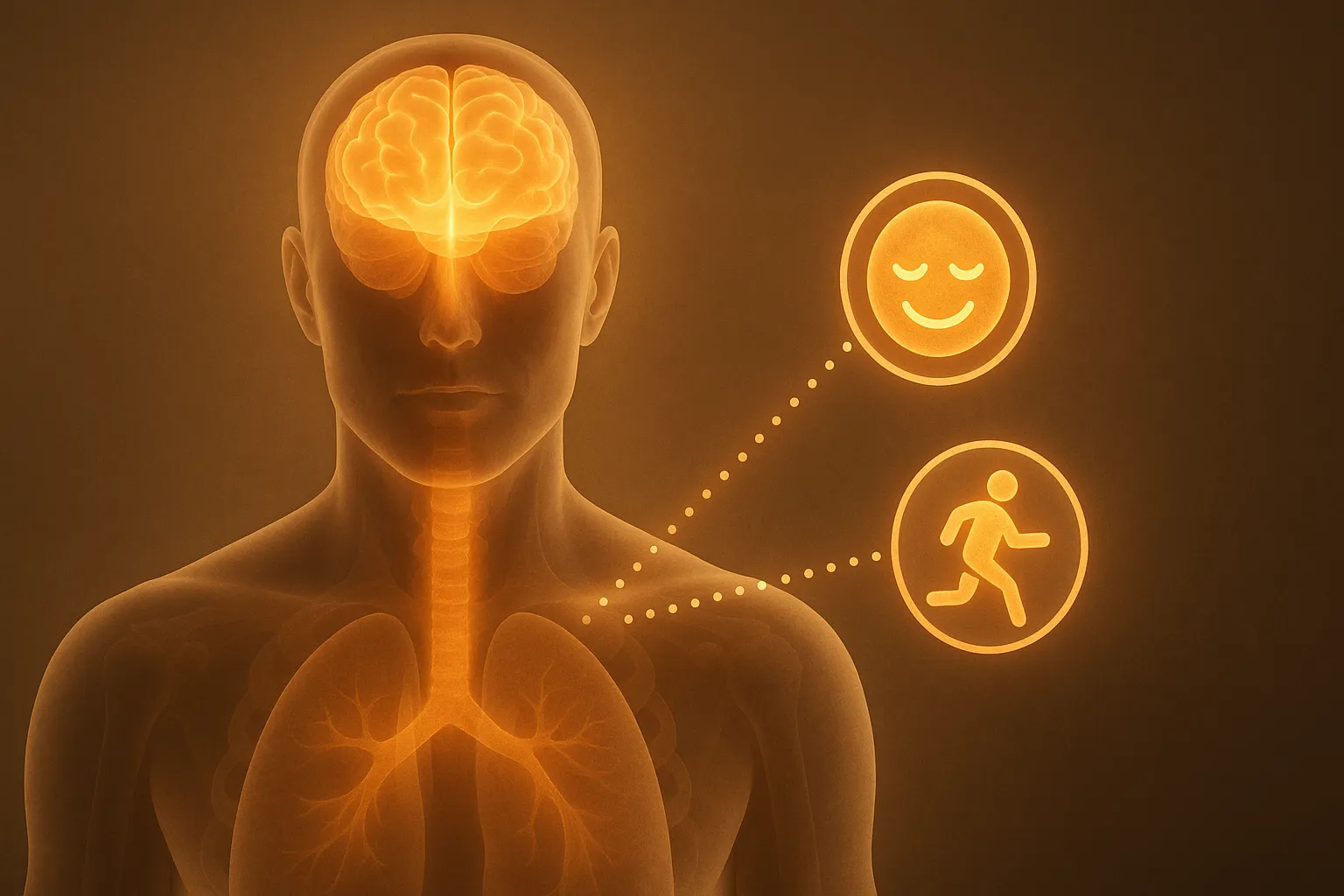
Contributes to the “runner’s high” or feeling of well being after sustained exercise.
Helps you cope with stress by providing a calming, buffering effect in the nervous system.
Interacts with mood and reward circuits, influencing motivation, pleasure, and resilience.
When Beta-Endorphin comes into the picture
Beta-endorphin is not a routine blood test in standard clinical care. Instead, it usually appears in:
Explanations of why exercise, laughter, or certain activities can reduce pain and boost mood.
Research on pain, mood, addiction, and stress resilience.
Rare pituitary or POMC related conditions being studied by specialists.
Clinicians generally look at symptoms (pain, mood, sleep, stress) and broader markers such as sleep patterns, activity levels, and sometimes hormones like cortisol, rather than ordering a “beta-endorphin lab.”
How to think about higher vs lower Beta-Endorphin activity
There is no everyday “high vs low” beta-endorphin blood range used in clinics. Most of what matters is how the system behaves. This is general background, not a lab guide.
Higher beta-endorphin activity might be associated with:
Better pain tolerance during exercise or short term stress.
Feelings of calm, relief, or mild euphoria after sustained activity.
Some adaptive stress responses where pain and distress are temporarily muted.
Lower or impaired beta-endorphin activity might be associated with:
More intense experience of pain or stress.
Reduced sense of relief after activity or stress has passed.
Possible contribution to mood issues or vulnerability to seeking external “numbing” (food, substances, or behaviors), though many other factors are always involved.
These patterns are ideas about how the system works, not diagnoses made from a single hormone number.
What can influence your Beta-Endorphin system
Physical activity: especially sustained movement like running, brisk walking, cycling, or dancing.
Stress and how it is processed: acute stress can raise endorphin activity; chronic unrelieved stress can blunt many systems over time.
Sleep quality: poor sleep can worsen pain sensitivity and mood, making endorphin related effects feel weaker.
Social connection: positive touch, intimacy, and connection can support endorphin related responses.
Pain conditions and medications: chronic pain and long term opioid use can change how opioid receptors and natural endorphins behave.
Other brain chemicals, including dopamine, serotonin, and stress hormones.
When to talk to a healthcare provider about Beta-Endorphin related issues
You do not need a beta-endorphin test to know something is off. It is helpful to talk to a clinician when you notice:
Ongoing pain that is hard to control or is affecting sleep, mood, or daily life.
Strong reliance on pain medicines, alcohol, or other substances to “take the edge off.”
Low mood, burnout, or loss of pleasure in activities that used to feel good.
Difficulty starting or recovering from activity because of pain, fatigue, or low motivation.
A clinician can help look at the bigger picture, including nervous system sensitivity, mood, sleep, movement, and current medications, and can suggest approaches that support your own endorphin system (for example, graded activity, sleep routines, and psychological support) rather than relying only on external painkillers.
Beta-Endorphin in one view
Beta-endorphin is one of your body’s natural opioid-like signals that helps dial down pain, ease stress, and create feelings of calm or post-exercise “high.” It is not something doctors usually measure directly; instead, its role shows up in how you experience pain, mood, stress, and recovery, often alongside other signals like Dopamine. If those areas are out of balance, the next step is a plan with a clinician that targets sleep, movement, pain strategies, and mental health rather than chasing a beta-endorphin number.