Neuropeptide Y (NPY): Role, Low vs High Patterns, Appetite, Stress, and Mood
Overview
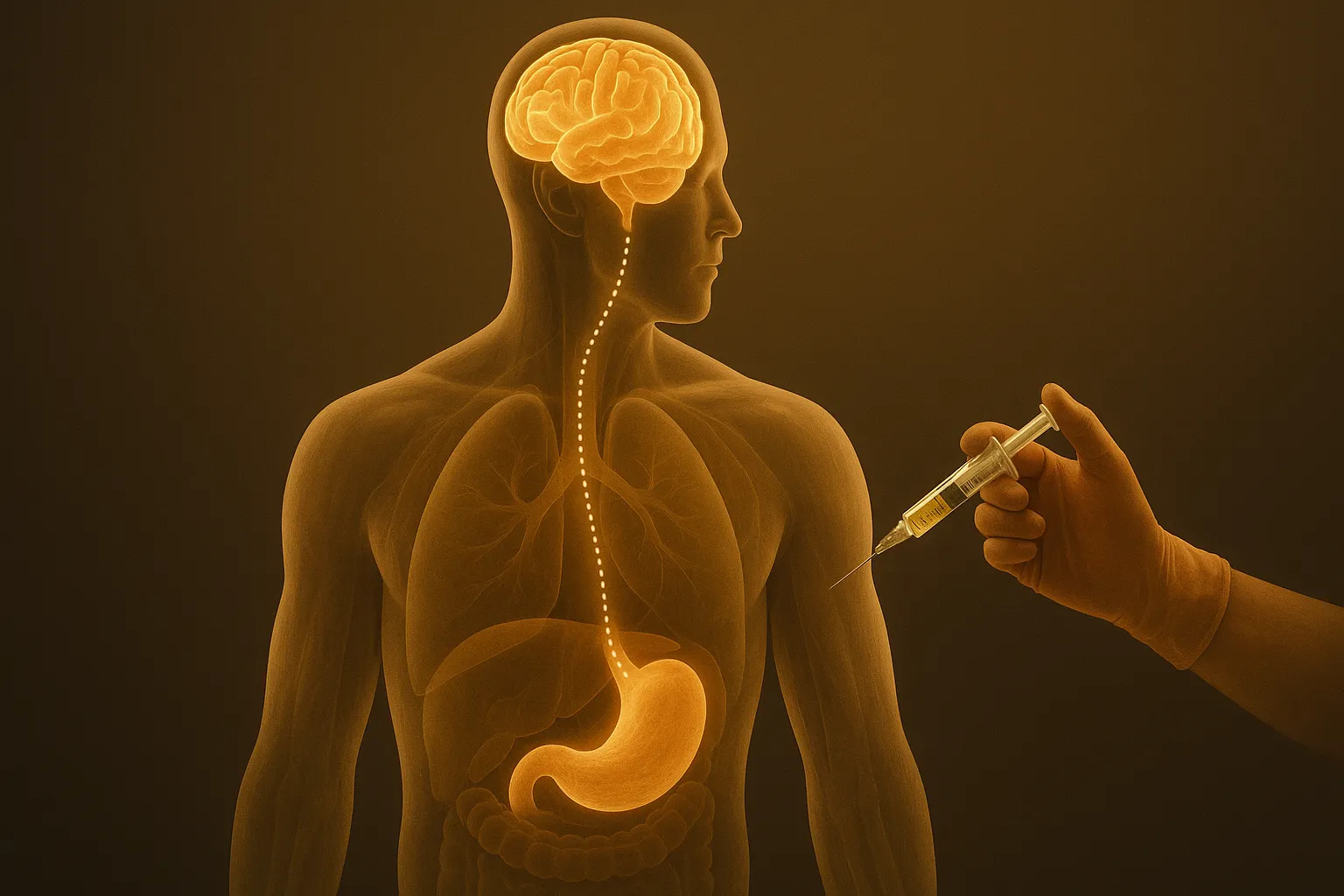
Neuropeptide Y, usually shortened to NPY, is a signaling peptide used by the brain and nervous system that strongly affects appetite, stress responses, and mood. Higher NPY activity is linked with increased hunger, especially under stress, and with how the body stores energy. It also works together with the stress system and other hormones like cortisol and Leptin to shape how we react to pressure, food cues, and recovery.
What Neuropeptide Y (NPY) is and where it is made
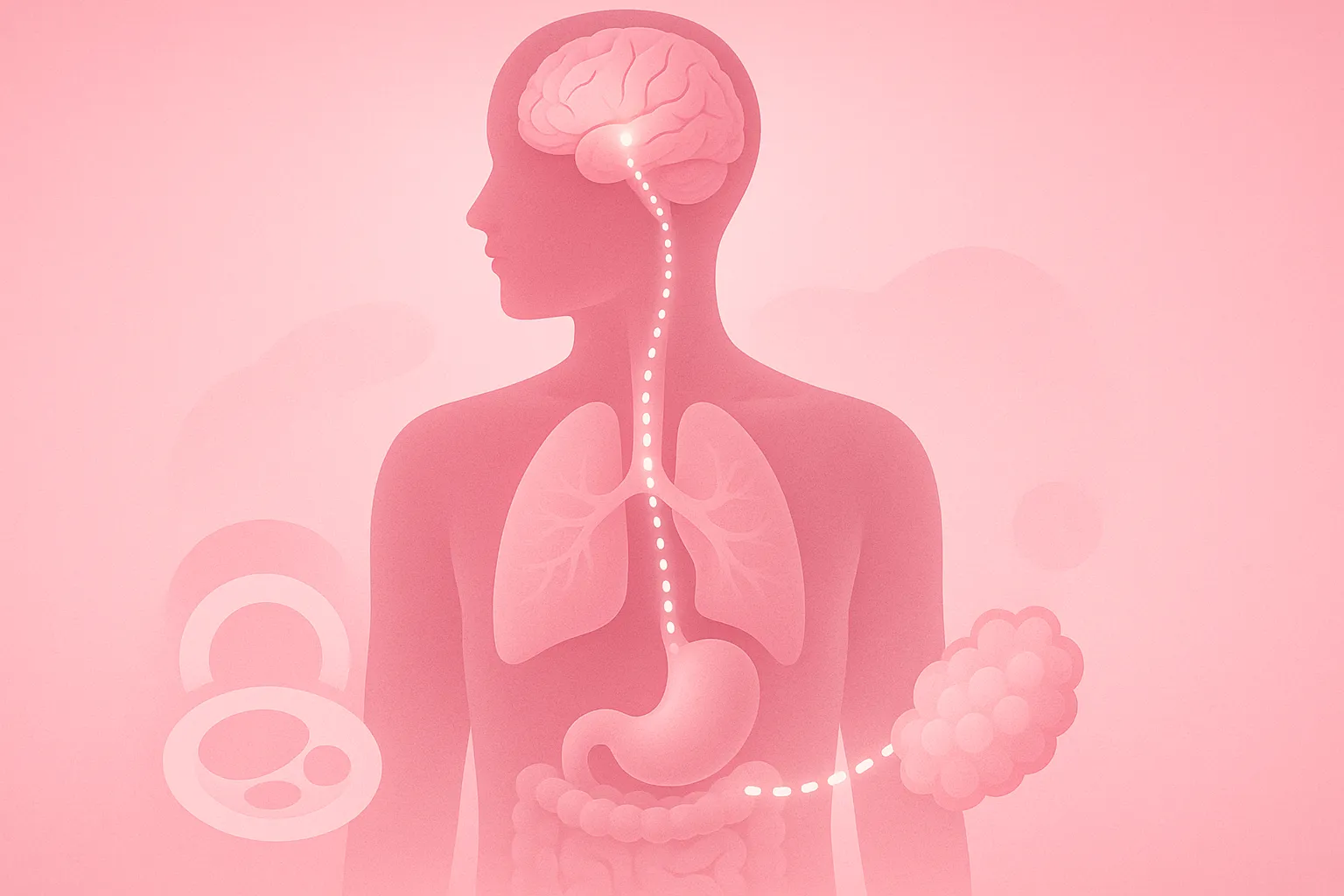
NPY is a small peptide used as a neurotransmitter and neuromodulator in the brain and peripheral nervous system.
It is highly expressed in areas that control appetite, stress, and emotional responses, including the hypothalamus and limbic regions.
NPY is also present in sympathetic nerves outside the brain, where it can affect blood vessels and stress related responses.
What Neuropeptide Y does in your body
In the brain, NPY can increase appetite and drive eating, especially for energy dense foods.
It influences how calm or tense you feel under stress, and how your body shifts between energy use and energy storage.
It interacts with mood circuits and may contribute to anxiety or resilience depending on patterns and context.
In the body, NPY can act with other stress signals to affect blood vessel tone and circulation.
When Neuropeptide Y (NPY) comes into the picture
NPY is not a standard clinical blood test in everyday practice.
More often, it is:
Discussed as a mechanism behind stress eating, weight regain, and some mood and stress patterns.
Studied in research on obesity, metabolic health, anxiety, and resilience to stress.
Considered indirectly when clinicians look at appetite, weight, sleep, and stress, even if NPY itself is not measured.
In clinical work, doctors focus more on accessible markers such as weight, waist circumference, glucose, lipids, and related hormones like leptin and cortisol rather than ordering an NPY lab.
How to think about higher vs lower Neuropeptide Y activity
There is no simple “normal lab range” for NPY used in routine care, so most of what we know is about patterns rather than a single number.
Higher NPY activity might be associated with:
Increased appetite, especially during or after stress.
A tendency to regain weight or prefer high calorie foods under pressure.
Stronger stress responses in some cases, with shifts toward storing rather than burning energy.
Lower NPY activity as a primary diagnosis is not commonly used in clinic. Some research suggests that different NPY patterns may relate to stress resilience or vulnerability, but this is not something that is typically measured and acted on directly for individuals.
Because of this, NPY is best thought of as one of the background players in stress and appetite biology, not a stand alone target.
What can influence your Neuropeptide Y system
Stress and coping style: ongoing stress and how it is managed can change NPY related signaling over time.
Sleep quality and circadian rhythm: short or irregular sleep can push appetite and stress hormones in less favorable directions.
Diet pattern: frequent ultra processed or high sugar foods, or chronic restriction and rebound eating, may affect NPY related appetite drives.
Physical activity: regular movement can support more stable appetite and stress responses.
Other hormones and signals, such as cortisol, leptin, insulin, and ghrelin.
Genetics and early life environment, which can shift how strongly NPY circuits respond to stress and food cues.

When to talk to a healthcare provider about Neuropeptide Y related issues
There is usually no need to ask for an NPY test. Instead, it is helpful to talk to a clinician when you notice patterns like:
Strong, hard to control appetite, especially late at night or under stress.
Weight gain or weight cycling that does not match your food and movement efforts.
Ongoing stress, anxiety, or low mood that seems tied to eating or energy crashes.
Concerns that your current plan for weight, stress, or sleep is not working despite good effort.
A clinician can help look at the bigger picture, including sleep, stress, nutrition, movement, and related labs such as glucose, lipids, and sometimes hormones like cortisol or leptin, and then build a plan that calms the system rather than chasing a single peptide.
Neuropeptide Y (NPY) in one view
Neuropeptide Y is a brain and nerve signal that pushes appetite up, especially under stress, and helps decide whether your body leans toward storing or using energy, with knock on effects on mood and resilience. It is not a routine lab, so its role is best understood through real world patterns like stress eating, weight trends, and metabolic markers, often alongside hormones such as Leptin. If those patterns look off, the next step is a structured plan with a clinician that targets sleep, stress, food environment, and movement instead of trying to fix NPY itself directly.