
Human Growth Hormone-Releasing Peptide (GHRP): Role, Testing Context, Growth Hormone, and Recovery
Overview
Human growth hormone-releasing peptides (GHRPs) are synthetic signals that tell your pituitary to release more of your own growth hormone. They can increase growth hormone pulses, which may affect muscle recovery, body composition, and appetite. In real-world use, GHRPs mostly show up in performance or “anti-aging” contexts, while doctors focus on growth hormone and IGF-1 rather than testing GHRPs directly.
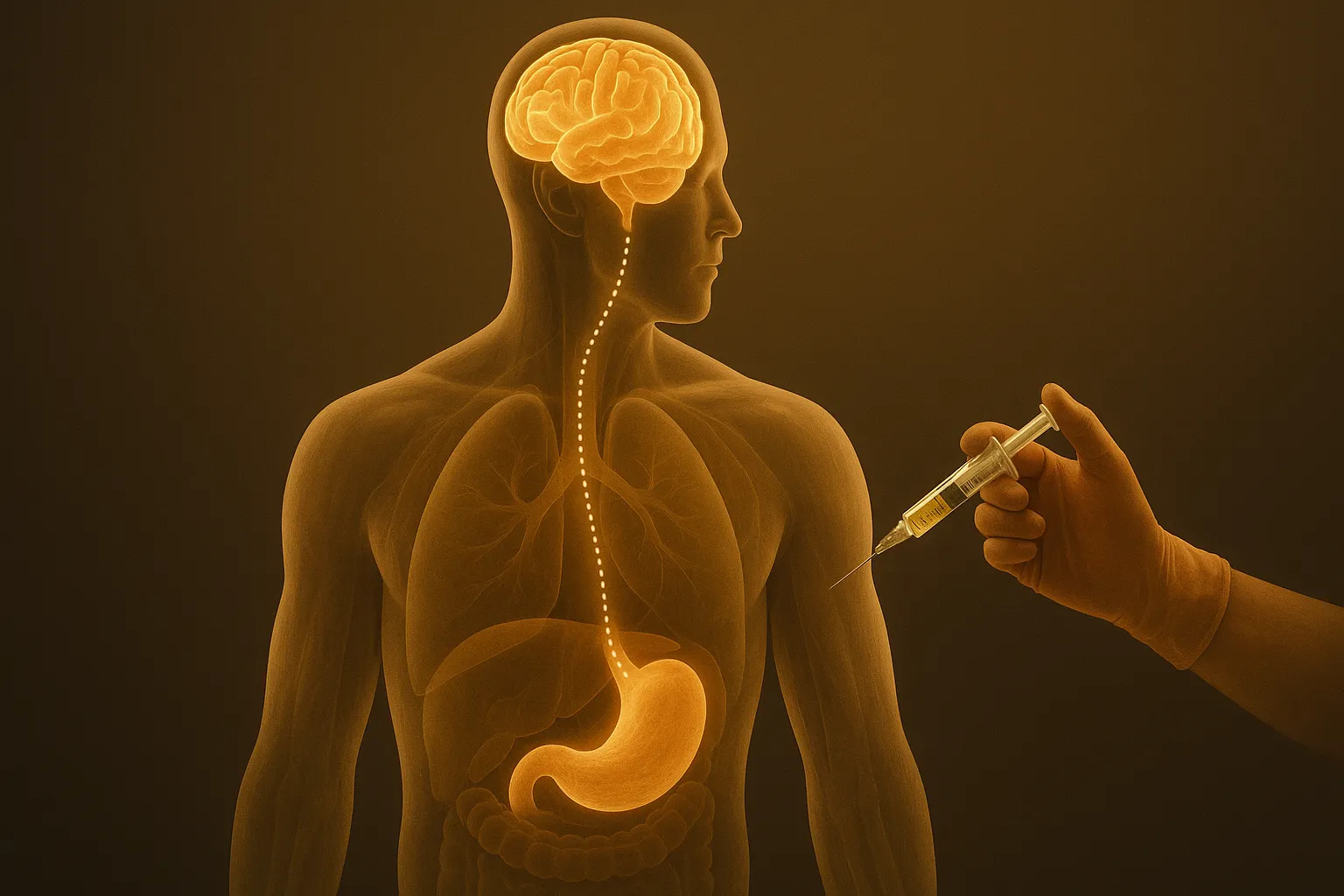
What Human Growth Hormone-Releasing Peptides (GHRPs) are
GHRPs are a group of synthetic peptides designed to stimulate growth hormone release.
They bind to specific receptors that overlap with the body’s own ghrelin and growth hormone releasing pathways.
Different GHRPs have different strengths and half lives, but the core purpose is the same: to increase growth hormone pulses.
What GHRPs do in your body
When present and active, GHRPs can:
Increase the amount or frequency of growth hormone pulses from the pituitary.
Indirectly influence IGF 1 levels, which reflect longer term growth hormone action.
Affect body composition by supporting lean mass and sometimes lowering fat mass, especially when combined with training and nutrition.
Change appetite in some people, often increasing hunger.
These effects depend on dose, timing, duration of use, and the person’s baseline hormone status and lifestyle.
Why it is measured or discussed
There is no standard clinical blood test panel for GHRPs in routine care. Instead, GHRPs are usually discussed in these contexts:
Performance and body composition: off label or non regulated use aimed at muscle gain, fat loss, or recovery.
Growth hormone related evaluation: as part of a history when a person has abnormal growth hormone or IGF 1 levels.
Research or specialist care: where controlled growth hormone stimulation is being studied.
Clinicians mainly look at Growth hormone, IGF 1, glucose, lipids, and liver markers to understand downstream effects, rather than measuring GHRP itself.
How to think about “high” and “low” GHRP exposure
For GHRPs, the issue is less about a natural lab range and more about use vs non use, dose, and impact on other hormones.
Low or no GHRP exposure in adults usually means:
Growth hormone and IGF 1 patterns reflect the person’s own biology, age, sleep, training, and nutrition.
There is no added artificial drive on growth hormone pathways from peptides.
High or frequent GHRP exposure might be associated with:
Higher growth hormone pulses and possible changes in IGF 1, body composition, and appetite.
Potential changes in blood sugar, lipids, joint comfort, or fluid balance, especially at higher doses or in long term use.
Added risk if combined with other hormone or performance drugs.
Any pattern suggesting very high growth hormone or IGF 1, new symptoms, or rapid body changes should be taken seriously and reviewed with a clinician.
What can influence how GHRPs act in your body
Dose and timing of the peptide and how often it is used.
Sleep quality and circadian rhythm, since growth hormone release is linked to sleep.
Training load and recovery, especially strength and high intensity sessions.
Nutrition, including protein intake, total calories, and blood sugar control.
Other hormones, such as growth hormone, IGF 1, insulin, thyroid hormones, and cortisol.
Liver and kidney function, which help clear peptides and process hormone changes.

When to talk to a healthcare provider about Human Growth Hormone-Releasing Peptides (GHRPs)
It is important to involve a clinician if:
You are using or considering GHRPs for performance, body composition, or anti aging purposes.
You have abnormal growth hormone or IGF 1 results and have used peptides or other hormone related products.
You notice new symptoms such as joint pain, swelling, changes in blood sugar, rapid body changes, or unexplained fatigue.
You have a history of cancer, diabetes, heart disease, or strong family risk and are thinking about growth hormone related treatments.
A clinician, ideally an endocrinologist, can help review your full hormone panel, risks, and safer alternatives, and can decide whether growth hormone or IGF 1 testing, imaging, or stopping certain products makes sense.
Human Growth Hormone-Releasing Peptides (GHRPs) in one view
Human growth hormone-releasing peptides are synthetic signals that boost your own growth hormone pulses and can change recovery, body composition, and appetite. They are almost never measured as a standalone lab test; their impact is seen through changes in growth hormone, IGF-1, metabolic markers, and how you feel. If GHRPs are in the picture and you notice unusual symptoms or abnormal hormone results, the next step is not to adjust doses on your own but to review everything with an endocrinologist and focus on safer, long-term strategies for strength, recovery, and health.