Get exclusive access and
enjoy a 7-day Neura iQ trial.

Get exclusive access and enjoy a 7-day
Neura iQ trial — free, personalized, and powerful.

Table of Contents

Share this Article

What is cold thermogenesis?

Mar 2, 2026

Mar 2, 2026

Health

11 minutes reading time

11 min read time

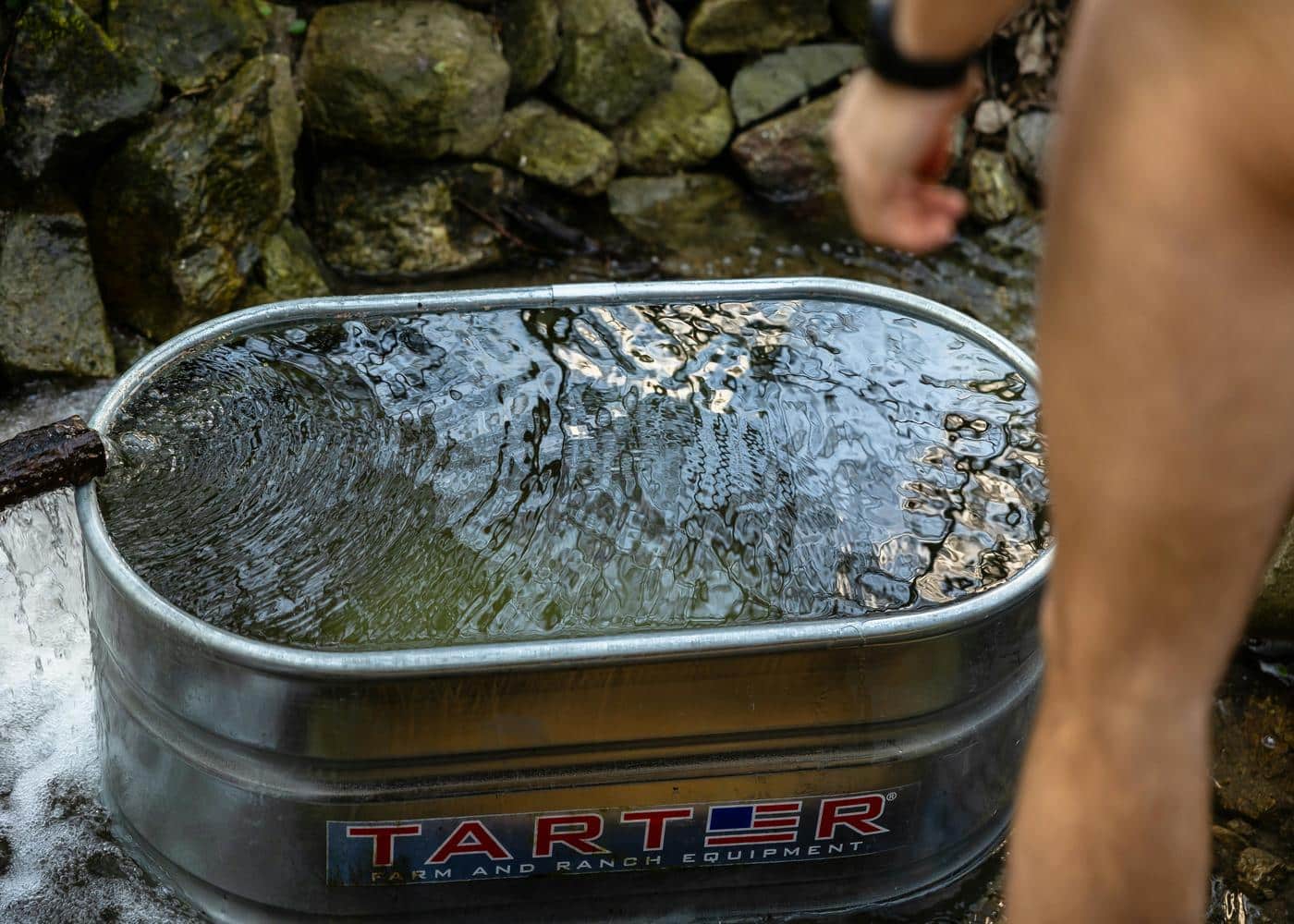
A man standing next to a tub filled with water

Key Findings

Cold thermogenesis activates brown fat to burn glucose and fatty acids for heat. This process occurs through shivering and non-shivering thermogenesis, which can increase daily caloric burn by 100 to 250 calories. Beyond metabolism, cold immersion triggers a massive release of norepinephrine and dopamine to enhance focus and mood. Research suggests an optimal dose of 2 to 5 minutes in water between 10°C and 15°C is sufficient for these benefits.

Cold Thermogenesis and Its Advantages

To put it simply, cold thermogenesis is the biological process by which the body generates heat in response to cold temperatures. 

When you step into a freezing lake or turn your shower dial to the far blue, your body isn't just reacting to discomfort; it is initiating a sophisticated metabolic engine designed to maintain your core temperature. 

This process transforms your body from a passive observer of the environment into an active heat-producing furnace, primarily by activating specialized fat cells and stimulating the nervous system.

Cold thermogenesis is an ancient physiological survival mechanism. In the modern world of climate-controlled offices and heated homes, most of us rarely experience it. 

However, reintroducing the "cold stress" to our lives has been linked to a staggering array of benefits, from accelerated fat loss and improved insulin sensitivity to enhanced mental clarity and immune resilience.

Mechanisms of Cold-induced Thermogenesis

The human body is endothermic, meaning we must maintain a relatively constant internal temperature (around 37°C or 98.6°F) to survive. When the external environment threatens to drop that internal temperature, the body utilizes two primary methods of heat production: shivering and non-shivering.


Shivering Thermogenesis

This is the body’s first line of defense. When your skin’s cold receptors signal the brain that you are losing heat too fast, the hypothalamus triggers rapid, involuntary muscle contractions. 

These tremors convert chemical energy (ATP) into kinetic energy, which releases heat as a byproduct. While effective in the short term, shivering is metabolically expensive and physically exhausting.


Non-Shivering Thermogenesis (NST)

This is where the real "magic" of cold adaptation happens. NST occurs primarily in Brown Adipose Tissue (BAT), often referred to as "brown fat." Unlike the standard white fat that stores excess calories, brown fat is packed with mitochondria, the power plants of your cells.

These mitochondria contain a unique protein called Uncoupling Protein 1 (UCP1), or thermogenin. When activated by the hormone norepinephrine, UCP1 allows the mitochondria to "short-circuit."

Instead of producing ATP, the mitochondria burn through glucose and fatty acids to produce pure heat. This process is significantly more efficient than shivering and is the primary goal for those practicing cold therapy.

The Role of Brown Fat: The Metabolic Furnace

For a long time, scientists believed that only infants possessed significant amounts of brown fat to help them stay warm because they lack the muscle mass to shiver effectively. It was thought that adults grew out of it. 

However, recent breakthroughs in imaging technology have revealed that adults do indeed retain brown fat deposits, typically located around the neck, collarbones, and upper spine.

One of the most exciting aspects of cold thermogenesis is mitochondrial biogenesis, the creation of new mitochondria, and the "browning" of white fat. 

Regular exposure to cold can actually recruit white fat cells to act more like brown fat cells (often called "beige fat"). This increases your overall metabolic rate, meaning you burn more calories even when you aren't in the cold.

Benefits of Cold-induced Thermogenesis

Why would anyone voluntarily subject themselves to freezing temperatures? The science suggests that the "hormetic stress" provided by the cold, a short-term stressor that triggers a positive adaptation, yields profound health rewards.


1. Enhanced Weight Loss and Metabolic Health

Because brown fat uses stored body fat and blood sugar as fuel to create heat, cold thermogenesis is a potent metabolic stimulant. Studies have shown that even mild cold exposure can increase the metabolic rate by significant percentages. 

Furthermore, by improving insulin sensitivity, cold thermogenesis helps the body manage blood sugar more effectively, potentially reducing the risk of Type 2 diabetes.


2. Reduced Inflammation and Muscle Recovery

Athletes have used ice baths for decades, and for good reason. Cold exposure causes vasoconstriction (the narrowing of blood vessels), which helps flush metabolic waste from muscle tissue and reduces swelling. 

Once you leave the cold, your vessels undergo vasodilation, causing a "flush" of fresh, oxygenated blood to return to the tissues, accelerating the healing process.


3. Mental Fortitude and Mood Regulation

The "cold shock" response triggers a massive release of norepinephrine in the brain, sometimes as much as a 200% to 300% increase. This neurotransmitter is linked to focus, attention, and mood. 

Many practitioners report an immediate "high" or a sense of calm following a cold plunge, which is often attributed to the release of endorphins and the balancing of the nervous system.


4. Improved Sleep Quality

Your body’s circadian rhythm is tied closely to temperature. To fall into a deep sleep, your core body temperature needs to drop slightly. 

By engaging in cold thermogenesis (specifically in the evening), you can trigger a rapid cooling response that signals to your brain that it is time for rest.

Practical Methods of Cold Exposure

You don't need access to a glacial lake to start reaping the benefits. There are several ways to incorporate cold exposure into your routine, ranging from beginner-friendly to advanced.

The most accessible entry point is the cold shower. You can start by ending your regular warm shower with 30 seconds of pure cold water and gradually increase the duration over several weeks. 

For those seeking maximum brown fat activation, ice baths and cold plunges are the gold standard. Submerging the body in water between 10°C and 15°C (50°F to 59°F) for two to five minutes provides the most intense stimulus.

Other methods include face dunking, which stimulates the mammalian dive reflex to lower heart rate, and ambient cold exposure. 

Simply lowering the thermostat in your home or wearing fewer layers while walking outside in the winter can stimulate mild non-shivering thermogenesis without the shock of water submersion.


Safety and Progression

While the benefits are tempting, cold thermogenesis is a powerful physiological stressor. It is vital to approach it with respect and a gradual progression to avoid unnecessary risk.

The first minute of cold exposure usually triggers a "gasp reflex" and rapid breathing. This is the body’s sympathetic nervous system kicking into high gear. 

The goal is to remain calm and control your breath. Long, slow exhales tell your brain that you are safe, allowing you to move past the initial shock.

Furthermore, be aware of the "afterdrop", a phenomenon where your core temperature continues to fall even after you leave the cold water, as cold blood from your extremities returns to your core. 

Always have warm clothes and a warm drink ready for after your session. Individuals with cardiovascular issues, Raynaud’s disease, or high blood pressure should consult a physician before attempting cold thermogenesis.

Final Thoughts: Embracing Cold Thermogenesis

In a world designed for maximum comfort, cold thermogenesis reminds us that our bodies are built for challenge. By stepping out of the 72-degree bubble of modern life, we tap into a biological heritage that promotes leanness, mental clarity, and physical vigor.

Whether it's a quick blast of cold at the end of your morning shower or a dedicated ice bath practice, the goal is consistency rather than intensity. 

Over time, your body will adapt, your brown fat stores will grow, and what once felt like a shock will become a refreshing, life-affirming ritual.

Article FAQ

Does cold thermogenesis work?

Yes. Scientific research confirms that cold exposure successfully activates brown adipose tissue (BAT), which burns glucose and fat to maintain core body temperature while increasing norepinephrine levels for improved focus.

Does cold exposure burn fat?

Yes. It burns fat in two ways: brown fat cells consume energy to create heat, and regular exposure "browns" white storage fat into metabolically active beige fat, increasing your resting metabolic rate.

How many calories can being cold burn?

Caloric burn varies by adaptation. Shivering can increase metabolic rate by 3 to 5 times. For non-shivering thermogenesis, mild cold exposure typically increases daily energy expenditure by 100 to 250 calories.

How long should I stay in a cold plunge?

The ideal duration is 2 to 5 minutes. Most hormonal and metabolic benefits peak early; staying submerged longer than 10 minutes increases the risk of hypothermia without providing significant additional gains.

What is the best temperature for cold thermogenesis?

A range of 10°C to 15°C (50°F to 59°F) is the standard for water immersion. The goal is a temperature that is uncomfortably cold but safe enough to maintain for at least two minutes.

Is it better to do cold exposure in the morning or at night?

Morning is generally preferred for the spike in dopamine and alertness. However, evening sessions can help lower core body temperature, which is a biological signal that triggers deeper sleep.
Got Questions? We've Got Answers

What exactly is Neura app?

Neura is a holistic AI health assistant that acts as your personal wellness coach. It combines your wearable data, lifestyle habits, and health metrics to deliver personalized plans, daily micro-tasks, mini-podcasts, and actionable insights to improve sleep, fitness, recovery, and longevity.

How does Neura work?

1. Answer a quick onboarding quiz (1–2 min). 2. Set your goals (e.g., better sleep, running a 5K). 3. Connect your wearables or apps for real-time health data. 4. Receive a daily, AI-personalized plan and mini-podcasts. 5. Track progress on your dashboard while Neura optimizes automatically.

Do I need a wearable or fitness tracker to use Neura?

No. You can start with just your phone and basic input. Wearables like Apple Watch, Garmin, Oura, or Fitbit unlock deeper, real-time insights and premium metrics, but they are optional.

Is my data safe and private?

Absolutely. Neura uses end-to-end encryption, is GDPR/HIPAA compliant, and gives you full control over data exports and deletion. Only anonymized data is processed for AI improvements.

What kind of results can I expect with Neura?

Most users report noticeable improvements in sleep quality, daily energy, and habit consistency within 2–3 weeks. Real-time insights help you save hours each week by replacing endless self-tracking and guesswork with an AI-driven health plan.

What devices and apps can Neura connect to?

Neura integrates with 90+ apps and devices like Apple Health, Google Fit, Garmin, Oura, Fitbit, Polar, Suunto, Peloton, Zwift, Withings, Eight Sleep, and more. You can also upload lab results for advanced analysis.

What’s included in the free plan?

The free Neura Plan comes with all the basic features you need to kickstart your holistic health and fitness journey. Those include our core AI chat (single-chat memory), a standard health plan with one active goal, up to 5 customizable Health Hub widgets, and daily auto-sync with limited integrations. Upgrade to Neura iQ for unlimited AI chat with persistent multi-session memory, multiple simultaneous Health Plans, and real-time data sync from 100+ integrations with 360° Health Sync, alongside all other premium features.

How is Neura different from other health apps or trackers?

Neura isn’t just a tracker – it’s a smart health operating system. It pulls together your data, analyzes it in real time, and gives you proactive, science-backed recommendations tailored to your lifestyle, without the hassle of manual research or multiple apps.

Can I cancel if I am not satisfied?

Yes. Neura Free is free forever, and Neura iQ comes with a 7-day free trial. After upgrading, you can cancel anytime. If you’re not satisfied within 30 days, we offer a full refund—no questions asked.

How do I get started with Neura?

Simply sign up with your email to claim free early access. You can start in less than 2 minutes, connect your wearables later, and immediately receive your personalized plan and first mini-podcast.

Got Questions? We've Got Answers

What exactly is Neura app?

Neura is a holistic AI health assistant that acts as your personal wellness coach. It combines your wearable data, lifestyle habits, and health metrics to deliver personalized plans, daily micro-tasks, mini-podcasts, and actionable insights to improve sleep, fitness, recovery, and longevity.

How does Neura work?

1. Answer a quick onboarding quiz (1–2 min). 2. Set your goals (e.g., better sleep, running a 5K). 3. Connect your wearables or apps for real-time health data. 4. Receive a daily, AI-personalized plan and mini-podcasts. 5. Track progress on your dashboard while Neura optimizes automatically.

Do I need a wearable or fitness tracker to use Neura?

No. You can start with just your phone and basic input. Wearables like Apple Watch, Garmin, Oura, or Fitbit unlock deeper, real-time insights and premium metrics, but they are optional.

Is my data safe and private?

Absolutely. Neura uses end-to-end encryption, is GDPR/HIPAA compliant, and gives you full control over data exports and deletion. Only anonymized data is processed for AI improvements.

What kind of results can I expect with Neura?

Most users report noticeable improvements in sleep quality, daily energy, and habit consistency within 2–3 weeks. Real-time insights help you save hours each week by replacing endless self-tracking and guesswork with an AI-driven health plan.

What devices and apps can Neura connect to?

Neura integrates with 90+ apps and devices like Apple Health, Google Fit, Garmin, Oura, Fitbit, Polar, Suunto, Peloton, Zwift, Withings, Eight Sleep, and more. You can also upload lab results for advanced analysis.

What’s included in the free plan?

The free Neura Plan comes with all the basic features you need to kickstart your holistic health and fitness journey. Those include our core AI chat (single-chat memory), a standard health plan with one active goal, up to 5 customizable Health Hub widgets, and daily auto-sync with limited integrations. Upgrade to Neura iQ for unlimited AI chat with persistent multi-session memory, multiple simultaneous Health Plans, and real-time data sync from 100+ integrations with 360° Health Sync, alongside all other premium features.

How is Neura different from other health apps or trackers?

Neura isn’t just a tracker – it’s a smart health operating system. It pulls together your data, analyzes it in real time, and gives you proactive, science-backed recommendations tailored to your lifestyle, without the hassle of manual research or multiple apps.

Can I cancel if I am not satisfied?

Yes. Neura Free is free forever, and Neura iQ comes with a 7-day free trial. After upgrading, you can cancel anytime. If you’re not satisfied within 30 days, we offer a full refund—no questions asked.

How do I get started with Neura?

Simply sign up with your email to claim free early access. You can start in less than 2 minutes, connect your wearables later, and immediately receive your personalized plan and first mini-podcast.

Got Questions? We've Got Answers

What exactly is Neura app?

Neura is a holistic AI health assistant that acts as your personal wellness coach. It combines your wearable data, lifestyle habits, and health metrics to deliver personalized plans, daily micro-tasks, mini-podcasts, and actionable insights to improve sleep, fitness, recovery, and longevity.

How does Neura work?

1. Answer a quick onboarding quiz (1–2 min). 2. Set your goals (e.g., better sleep, running a 5K). 3. Connect your wearables or apps for real-time health data. 4. Receive a daily, AI-personalized plan and mini-podcasts. 5. Track progress on your dashboard while Neura optimizes automatically.

Do I need a wearable or fitness tracker to use Neura?

No. You can start with just your phone and basic input. Wearables like Apple Watch, Garmin, Oura, or Fitbit unlock deeper, real-time insights and premium metrics, but they are optional.

Is my data safe and private?

Absolutely. Neura uses end-to-end encryption, is GDPR/HIPAA compliant, and gives you full control over data exports and deletion. Only anonymized data is processed for AI improvements.

What kind of results can I expect with Neura?

Most users report noticeable improvements in sleep quality, daily energy, and habit consistency within 2–3 weeks. Real-time insights help you save hours each week by replacing endless self-tracking and guesswork with an AI-driven health plan.

What devices and apps can Neura connect to?

Neura integrates with 90+ apps and devices like Apple Health, Google Fit, Garmin, Oura, Fitbit, Polar, Suunto, Peloton, Zwift, Withings, Eight Sleep, and more. You can also upload lab results for advanced analysis.

What’s included in the free plan?

The free Neura Plan comes with all the basic features you need to kickstart your holistic health and fitness journey. Those include our core AI chat (single-chat memory), a standard health plan with one active goal, up to 5 customizable Health Hub widgets, and daily auto-sync with limited integrations. Upgrade to Neura iQ for unlimited AI chat with persistent multi-session memory, multiple simultaneous Health Plans, and real-time data sync from 100+ integrations with 360° Health Sync, alongside all other premium features.

How is Neura different from other health apps or trackers?

Neura isn’t just a tracker – it’s a smart health operating system. It pulls together your data, analyzes it in real time, and gives you proactive, science-backed recommendations tailored to your lifestyle, without the hassle of manual research or multiple apps.

Can I cancel if I am not satisfied?

Yes. Neura Free is free forever, and Neura iQ comes with a 7-day free trial. After upgrading, you can cancel anytime. If you’re not satisfied within 30 days, we offer a full refund—no questions asked.

How do I get started with Neura?

Simply sign up with your email to claim free early access. You can start in less than 2 minutes, connect your wearables later, and immediately receive your personalized plan and first mini-podcast.

Got Questions? We've Got Answers

What exactly is Neura app?

Neura is a holistic AI health assistant that acts as your personal wellness coach. It combines your wearable data, lifestyle habits, and health metrics to deliver personalized plans, daily micro-tasks, mini-podcasts, and actionable insights to improve sleep, fitness, recovery, and longevity.

How does Neura work?

1. Answer a quick onboarding quiz (1–2 min). 2. Set your goals (e.g., better sleep, running a 5K). 3. Connect your wearables or apps for real-time health data. 4. Receive a daily, AI-personalized plan and mini-podcasts. 5. Track progress on your dashboard while Neura optimizes automatically.

Do I need a wearable or fitness tracker to use Neura?

No. You can start with just your phone and basic input. Wearables like Apple Watch, Garmin, Oura, or Fitbit unlock deeper, real-time insights and premium metrics, but they are optional.

Is my data safe and private?

Absolutely. Neura uses end-to-end encryption, is GDPR/HIPAA compliant, and gives you full control over data exports and deletion. Only anonymized data is processed for AI improvements.

What kind of results can I expect with Neura?

Most users report noticeable improvements in sleep quality, daily energy, and habit consistency within 2–3 weeks. Real-time insights help you save hours each week by replacing endless self-tracking and guesswork with an AI-driven health plan.

What devices and apps can Neura connect to?

Neura integrates with 90+ apps and devices like Apple Health, Google Fit, Garmin, Oura, Fitbit, Polar, Suunto, Peloton, Zwift, Withings, Eight Sleep, and more. You can also upload lab results for advanced analysis.

What’s included in the free plan?

The free Neura Plan comes with all the basic features you need to kickstart your holistic health and fitness journey. Those include our core AI chat (single-chat memory), a standard health plan with one active goal, up to 5 customizable Health Hub widgets, and daily auto-sync with limited integrations. Upgrade to Neura iQ for unlimited AI chat with persistent multi-session memory, multiple simultaneous Health Plans, and real-time data sync from 100+ integrations with 360° Health Sync, alongside all other premium features.

How is Neura different from other health apps or trackers?

Neura isn’t just a tracker – it’s a smart health operating system. It pulls together your data, analyzes it in real time, and gives you proactive, science-backed recommendations tailored to your lifestyle, without the hassle of manual research or multiple apps.

Can I cancel if I am not satisfied?

Yes. Neura Free is free forever, and Neura iQ comes with a 7-day free trial. After upgrading, you can cancel anytime. If you’re not satisfied within 30 days, we offer a full refund—no questions asked.

How do I get started with Neura?

Simply sign up with your email to claim free early access. You can start in less than 2 minutes, connect your wearables later, and immediately receive your personalized plan and first mini-podcast.