Noradrenaline: Low vs High Signs, Testing, Stress, and Blood Pressure
Overview
Noradrenaline, also called norepinephrine, is both a neurotransmitter and a hormone that helps your body respond quickly to stress. It increases alertness, raises heart rate, and tightens blood vessels so that blood pressure and blood flow to vital organs can increase when needed. It is part of the fight or flight system and also helps you stay focused and awake during the day.
Clinicians mainly think about noradrenaline when they are evaluating unexplained high blood pressure, episodes of palpitations and sweating, autonomic nervous system problems, or the effects of some medications. It is often considered alongside morning Cortisol patterns to get a broader view of stress and cardiovascular responses.
What Noradrenaline is and where it is made
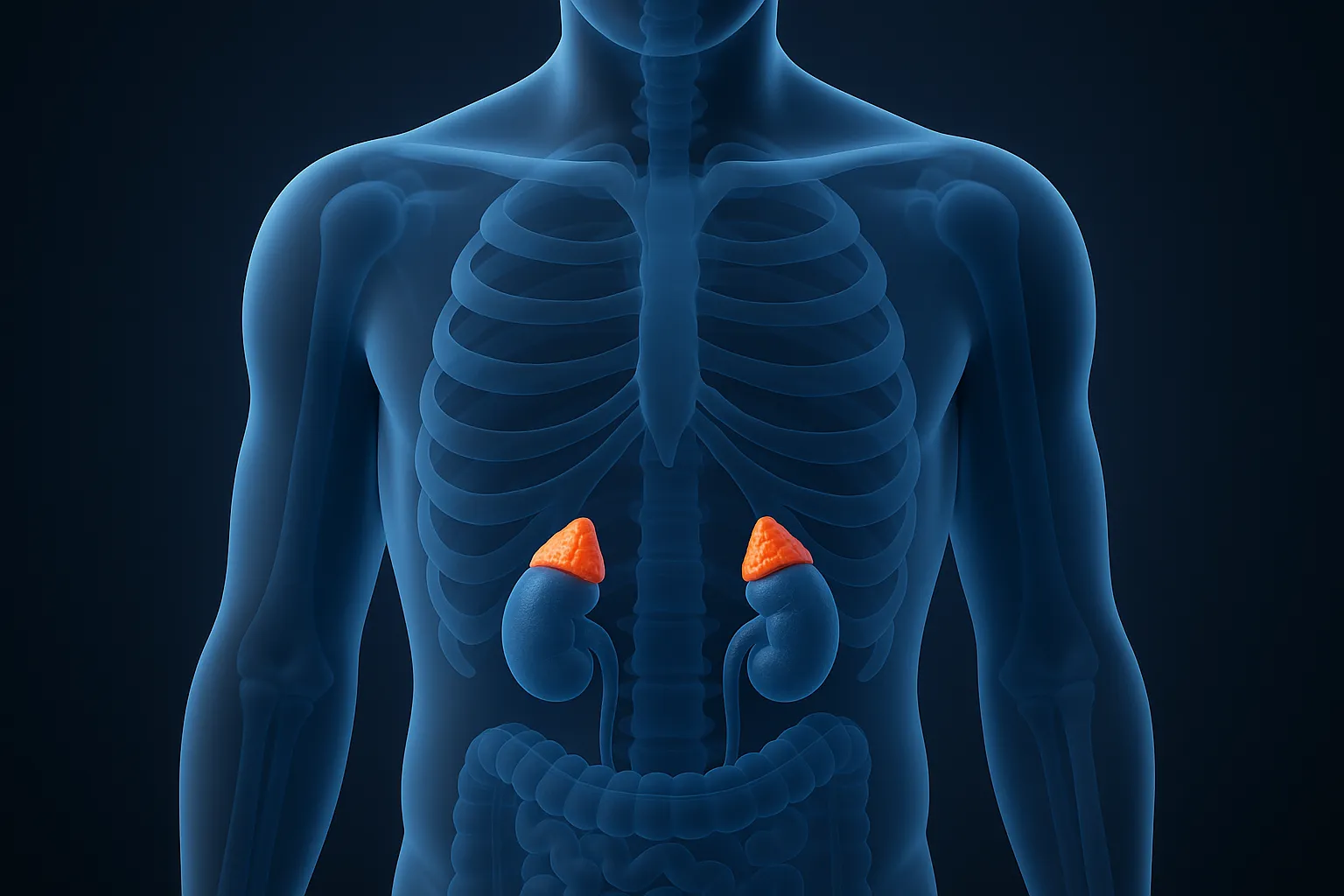
Noradrenaline is a catecholamine made in nerve cells in the brain and sympathetic nervous system, and in cells in the adrenal medulla on top of the kidneys.
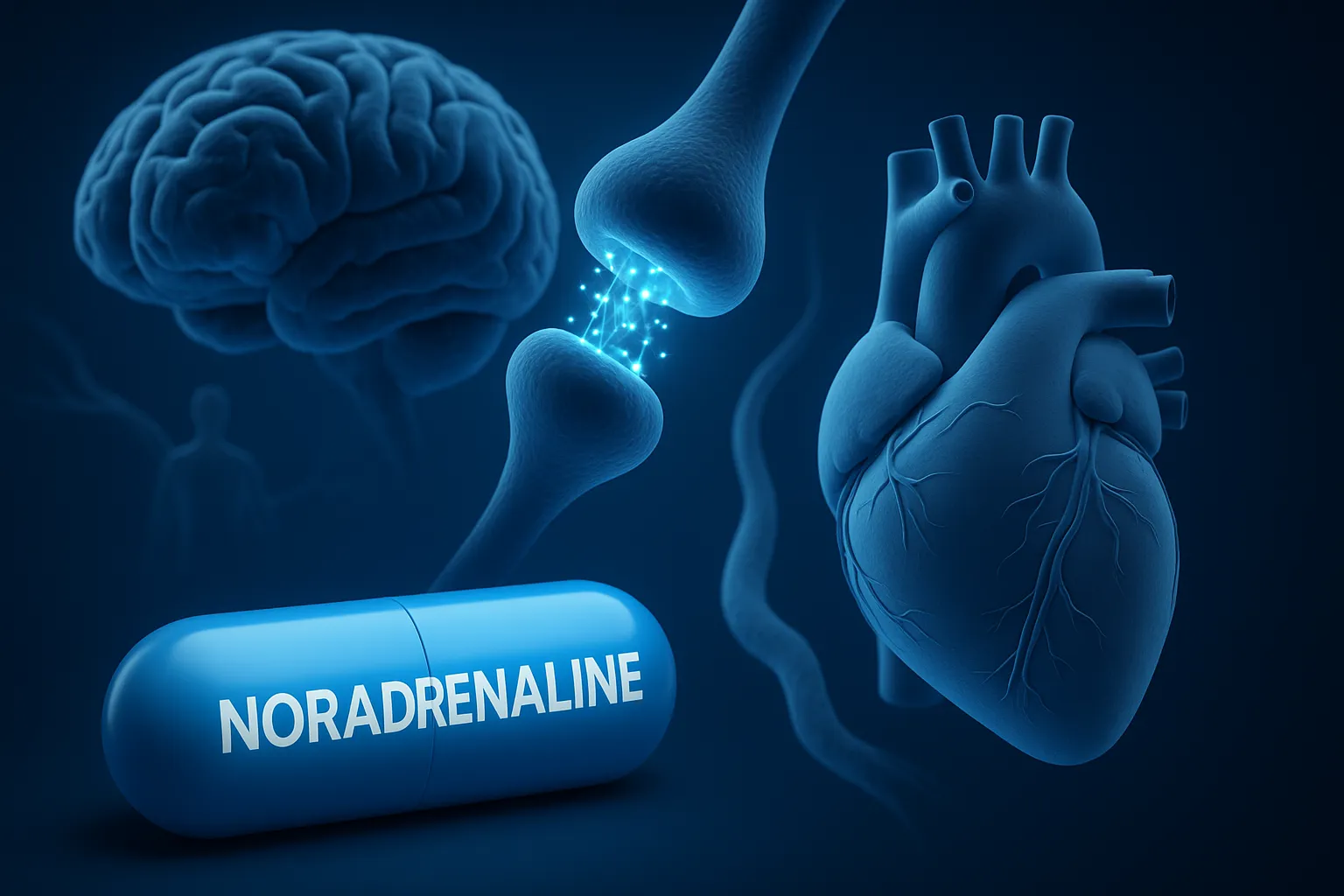
In the brain, key sources include the locus coeruleus, which helps regulate alertness and attention.
In the body, sympathetic nerve endings release noradrenaline directly onto blood vessels and organs, and the adrenal glands can release it into the bloodstream as a hormone.
What Noradrenaline does in your body
Raises blood pressure by tightening blood vessels and supporting the heart’s pumping action.
Increases alertness, focus, and readiness to respond during stress or challenge.
Helps mobilize energy stores so that muscles and organs have fuel in an acute stress situation.
Contributes to the regulation of heart rate and variability, particularly under stress.
Interacts with mood and anxiety pathways when chronically elevated or suppressed.
When testing Noradrenaline makes sense
Evaluation of severe or difficult to control high blood pressure, especially with episodes of palpitations, headaches, and sweating.
Suspected catecholamine producing tumors such as pheochromocytoma or paraganglioma, often with companion tests like metanephrines.
Assessment of some autonomic nervous system disorders, including orthostatic intolerance or significant blood pressure swings.
Specialist evaluation of stress response in selected cardiovascular or neurologic conditions.
Noradrenaline is usually measured in blood or urine in specialist settings and is not part of routine health panels.
How to think about high and low Noradrenaline results
This information is general and does not replace lab specific reference ranges, posture and timing rules, or medical evaluation.
Low noradrenaline might be associated with:
Autonomic failure or conditions where the sympathetic nervous system does not respond properly.
Marked drops in blood pressure when standing, dizziness, or fainting in some disorders.
Fatigue, exercise intolerance, or inability to mount an appropriate cardiovascular response in certain neurologic or autonomic conditions.
These patterns usually require specialist autonomic or neurologic assessment rather than self management.
High noradrenaline might be associated with:
Severe or resistant high blood pressure, especially with sudden episodes of pounding heart, headache, and sweating.
Acute stress, pain, anxiety, or serious illness that strongly activate the sympathetic nervous system.
Heart failure or other cardiovascular conditions where sympathetic drive is chronically elevated.
Catecholamine producing tumors, when values are significantly and persistently raised.
Because posture, stress, caffeine, nicotine, and medications can all raise noradrenaline, abnormal results often need repeat testing under carefully controlled conditions.
What can influence your Noradrenaline levels
Physical and emotional stress, including pain, anxiety, and acute illness.
Posture and activity, with levels often higher when standing or during exercise.
Stimulants such as caffeine, nicotine, some decongestants, and certain ADHD medications.
Antidepressants and other drugs that act on noradrenaline pathways.
Sleep quality and sleep apnea, which can chronically activate stress systems.
Chronic conditions that affect the heart, blood vessels, or autonomic nervous system.
Rare tumors of the adrenal glands or sympathetic nerves.

When to talk to a healthcare provider about Noradrenaline
Episodes of very high blood pressure, pounding heart, headaches, sweating, or tremor, especially if they come in spells.
Marked dizziness, fainting, or large blood pressure drops when standing.
Noradrenaline test results that are clearly outside the reference range.
Known heart or autonomic conditions with new or worsening symptoms.
Questions about how current medications might be affecting stress, heart rate, and blood pressure.
A clinician can decide whether repeat testing, additional catecholamine or metanephrine tests, imaging, or autonomic studies are needed and how noradrenaline fits into the overall cardiovascular and stress picture.
Noradrenaline in one view
Noradrenaline is a key stress related neurotransmitter and hormone that helps you stay alert and maintain blood pressure and blood flow during challenges. Very high or very low levels matter most when they match clear symptoms and blood pressure changes, and are best interpreted as part of a wider cardiovascular and stress evaluation, often within a structured Stress Resilience approach rather than being managed in isolation.