Adrenaline: Low vs High Signs, Testing, Stress, and Blood Pressure
Overview
Adrenaline, also called epinephrine, is a fast acting stress hormone and neurotransmitter that prepares the body for immediate action. It increases heart rate and blood pressure, expands airways, and quickly mobilizes energy so you can respond to sudden physical or emotional stress. Levels rise within seconds during a fight or flight response and then fall back as the body recovers.
Clinicians mainly think about adrenaline in the context of very high blood pressure episodes, palpitations, panic like symptoms, or suspected adrenal tumors, and they often consider it together with Cortisol when looking at the broader stress response.
What Adrenaline is and where it is made
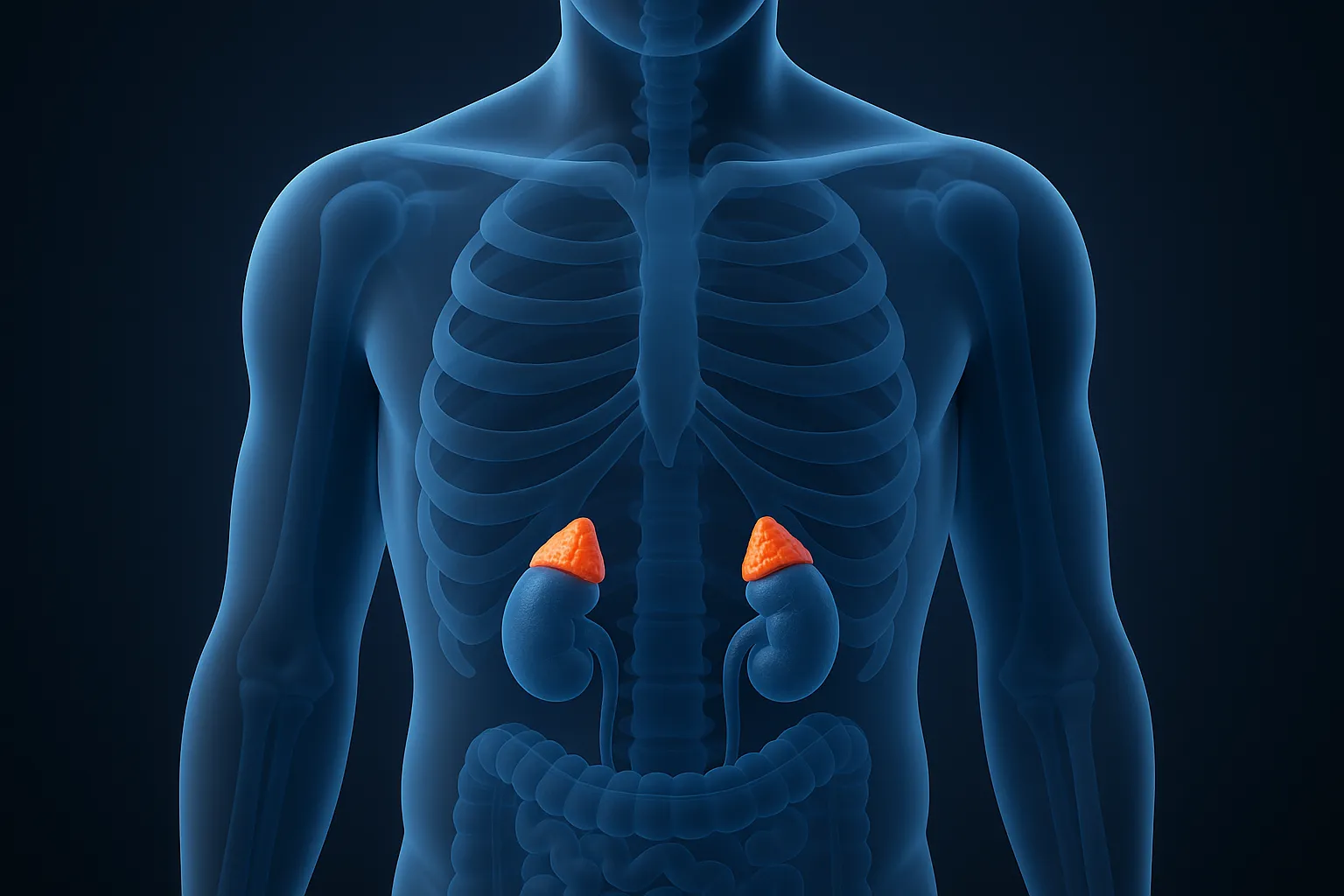
Adrenaline is a catecholamine hormone and neurotransmitter produced mainly by the adrenal medulla, the inner part of the adrenal glands on top of each kidney.
It is released when the sympathetic nervous system is activated, for example during acute stress, pain, exercise, or strong emotions.
Smaller amounts act as a neurotransmitter in parts of the brain and nervous system, helping to regulate arousal and attention
What Adrenaline does in your body
Increases heart rate and the force of heart contractions so blood can be delivered quickly to muscles and vital organs.
Narrows some blood vessels and widens others, which raises blood pressure and redirects blood flow to where it is needed most.
Dilates airways in the lungs to improve airflow and oxygen delivery.
Promotes rapid energy release by stimulating breakdown of glycogen and fat, raising blood sugar and free fatty acids.
Heightens alertness, focus, and reaction speed in the short term.
Contributes to the symptoms of an adrenaline surge, such as a racing heart, shaking, sweating, or feeling on edge.
When testing Adrenaline makes sense
Evaluation of suspected pheochromocytoma or other catecholamine producing tumors when there are episodes of very high blood pressure, headaches, palpitations, and sweating.
Workup of unexplained repeated panic like spells when structural causes need to be excluded.
Part of a broader catecholamine panel in specialist settings, often alongside noradrenaline and metanephrines.
Monitoring of certain rare adrenal or autonomic nervous system disorders under specialist care.
Adrenaline testing is not a routine part of standard stress or fatigue workups and is usually ordered by specialists for specific reason
How to think about high and low Adrenaline results
This information is general and does not replace lab specific methods, timing rules, or medical evaluation.
High adrenaline might be associated with:
Sudden episodes of pounding heart, high blood pressure, sweating, headache, and feeling of intense anxiety or panic.
Persistent high blood pressure in some people when a catecholamine producing tumor is present.
Acute severe stress, pain, hypoglycemia, or withdrawal from some substances, which can all transiently raise levels.
Marked and persistent elevation, especially when paired with characteristic symptoms, can suggest a pheochromocytoma or related tumor and needs careful evaluation rather than self treatment.
Low adrenaline might be associated with:
Some forms of autonomic dysfunction or severe adrenal impairment, often together with other abnormal catecholamine patterns.
Blunted responses to stressors in specific neurologic or endocrine conditions.
Low adrenaline is not commonly tested as an isolated issue and is usually interpreted in the context of other adrenal hormones, autonomic symptoms, and clinical findings.
What can influence your Adrenaline levels
Acute psychological stress, strong emotions, and perceived threats.
Physical stress such as pain, heavy exercise, low blood sugar, or illness.
Caffeine, nicotine, and some stimulant medications that activate the sympathetic nervous system.
Certain antidepressants and other drugs that affect catecholamine breakdown or receptors.
Sleep deprivation and chronic stress that keep the sympathetic system more activated.
Underlying adrenal or autonomic nervous system disorders.
Position, activity, and environment at the time of testing, since adrenaline changes quickly with stress and posture.

When to talk to a healthcare provider about Adrenaline
Repeated spells of racing heart, high blood pressure, headaches, and sweating that come in sudden waves.
Very high or difficult to control blood pressure, especially if episodes are unpredictable.
Panic like symptoms that do not clearly tie to psychological triggers or that feel out of proportion.
Known adrenal or genetic conditions where catecholamine producing tumors are a concern.
Questions about how caffeine, stimulants, or other medications might be affecting heart rate and blood pressure.
A clinician can decide whether adrenaline or catecholamine testing is appropriate, choose the right type and timing of tests, and interpret results with blood pressure readings, imaging, and other hormone markers rather than relying on a single lab value.
Adrenaline in one view
Adrenaline is a fast acting stress hormone that raises heart rate, blood pressure, and alertness so you can respond to sudden challenges. Short bursts are part of normal life, but sustained or extreme surges can drive uncomfortable symptoms and, in rare cases, signal underlying adrenal disease. Because levels change within seconds, an adrenaline number is most useful when it is part of a targeted evaluation and paired with blood pressure, symptoms, and related tests, often alongside a structured Stress Resilience Approach rather than being chased as a standalone target.