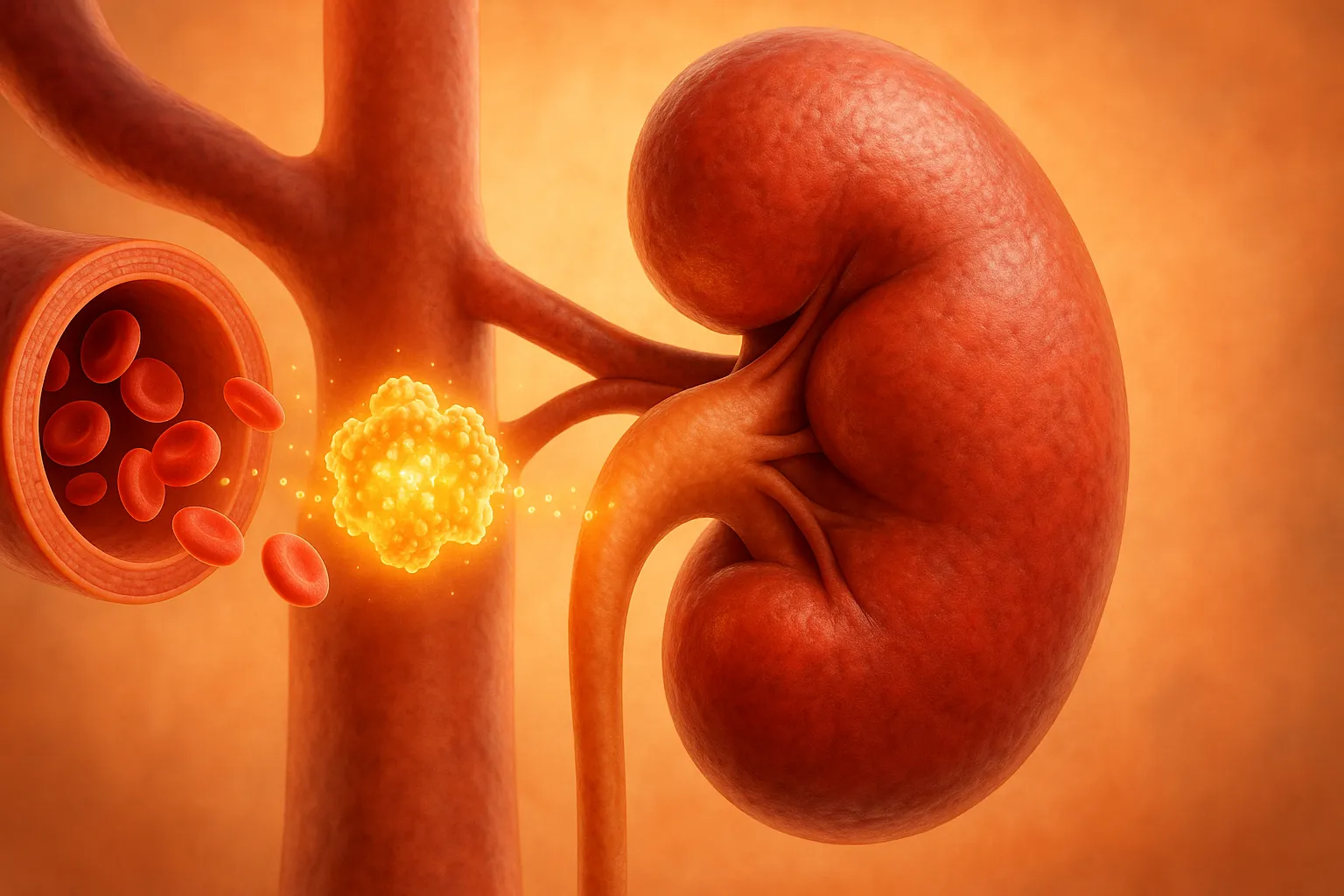
Corticotropin-Releasing Hormone (CRH): Stress, ACTH, and Cortisol Rhythm
Overview
Gonadotropin-releasing hormone, usually shortened to GnRH, is a small hormone made in the brain that acts as the master switch for the reproductive axis. It is released in pulses from the hypothalamus and tells the pituitary gland how much luteinizing hormone and follicle stimulating hormone to make. Those hormones then control ovulation in women and testosterone and sperm production in men.
Because GnRH is hard to measure directly, clinicians usually look at its effects by checking Luteinizing Hormone. follicle stimulating hormone, and sex hormones such as estrogen and testosterone, plus symptoms and cycle patterns.
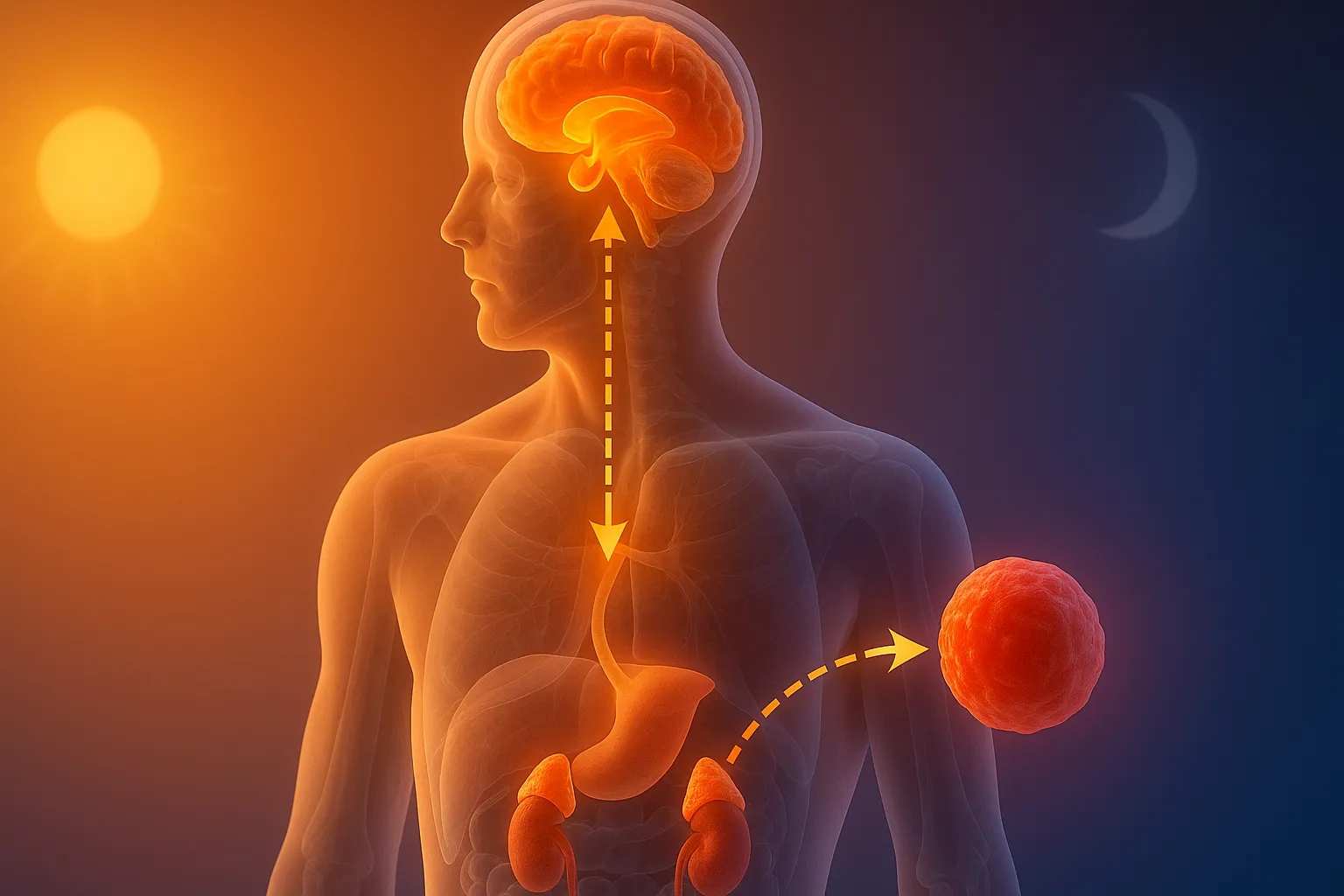
What Gonadotropin-Releasing Hormone (GnRH) is and where it is made
GnRH is a peptide hormone made by specific neurons in the hypothalamus, a region deep in the brain.
It is released into small blood vessels that connect the hypothalamus to the pituitary gland.
GnRH is normally released in pulses rather than as a constant stream, and this pulse pattern is critical for normal reproductive function.
What GnRH does in your body
Stimulates the pituitary to release luteinizing hormone and follicle stimulating hormone.
In women, these downstream hormones help drive follicle growth, ovulation, and estrogen and progesterone production.
In men, they support testosterone production and sperm formation in the testes.
Helps regulate puberty timing, menstrual cycles, fertility, and sex hormone balance across adulthood.
Why it is measured or targeted
Direct blood testing of GnRH is rarely done in routine practice because the hormone is released in very small amounts and pulses. Instead, GnRH is usually inferred from patterns of LH, FSH, and sex hormones, or it is targeted with medications that mimic or block its action. Situations where GnRH pathways are evaluated or used include:
Delayed or early puberty, where brain driven timing may be altered.
Absent or very irregular periods not explained by pregnancy, thyroid, or prolactin changes.
Infertility workups where ovulation or sperm production may be affected at the brain level.
Use of GnRH agonists or antagonists in conditions like endometriosis, fibroids, prostate cancer, or for controlled ovarian stimulation in fertility treatment.
How to think about high and low Gonadotropin-Releasing Hormone patterns
Because GnRH is not usually measured directly, clinicians look at what it is doing indirectly. The information below is general and depends on how LH, FSH, sex hormones, and symptoms line up.
Lower GnRH drive might be associated with:
Hypogonadotropic hypogonadism, where low GnRH leads to low LH, low FSH, and low sex hormones.
Functional causes such as low energy availability, high stress, excessive exercise, or significant weight loss.
Some pituitary or hypothalamic disorders, tumors, or prior surgery or radiation.
Delayed puberty when sex hormone levels are low and the brain signal has not yet turned on fully.
This can show up as absent or irregular periods, low libido, low testosterone in men, fertility challenges, or delayed puberty.
Higher or altered GnRH drive might be associated with:
Central precocious puberty, where GnRH turns on earlier than expected and drives early puberty.
Some treatment settings where GnRH drugs are used in high dose chronic fashion to “switch off” the axis by overstimulation at the receptor.
In practice, “high GnRH” is more often a functional description than a direct lab number.
What can influence your Gonadotropin-Releasing Hormone patterns
Overall energy status and body weight, including undernutrition or significant weight loss.
Intense or very high volume training, especially in endurance sports.
Stress load and sleep quality over weeks and months.
Chronic illness, systemic inflammation, or significant medical conditions.
Other hormones such as prolactin, thyroid hormones, and cortisol.
Certain medications that act on the pituitary or hypothalamus, or GnRH based drugs used intentionally to alter the axis.

When to talk to a healthcare provider about GnRH related issues
Periods that are very irregular, very light, or stop for several months when not pregnant.
Fertility difficulties, especially when ovulation or sperm counts are low without a clear local cause.
Symptoms of low testosterone in men or low estrogen in women that do not match lifestyle and age.
Signs of very early or very late puberty in children or teenagers.
Use of or questions about GnRH based medications for endometriosis, fibroids, prostate cancer, or fertility treatment.
A clinician, often an endocrinologist, gynecologist, or fertility specialist, can interpret LH, FSH, sex hormones, and imaging to work out whether the main issue is at the ovary or testis, the pituitary, or higher up at the GnRH level.
Gonadotropin-Releasing Hormone (GnRH) in one view
Gonadotropin-releasing hormone is the brain’s master signal for the reproductive axis, telling the pituitary when and how strongly to release luteinizing hormone and follicle stimulating hormone. Rather than being judged by a single lab value, its effects are seen in cycles, fertility, testosterone or estrogen levels, and puberty timing, and it is best understood through the pattern of LH and FSH plus symptoms, not as something to self diagnose or treat in isolation.