Corticosterone: Low vs High Signs, Testing, Stress, and Metabolic Effects
Overview
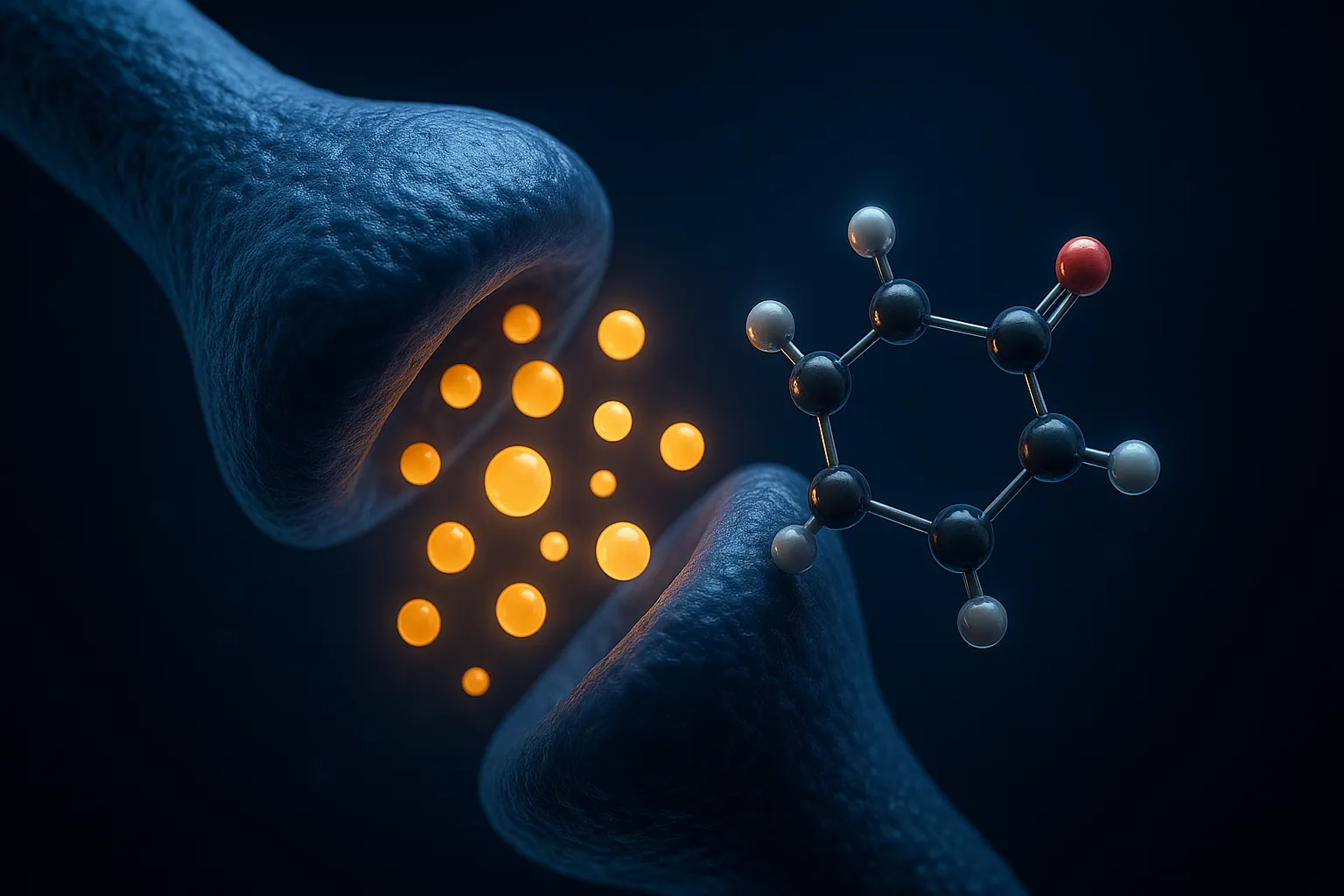
Dopamine is a neurotransmitter and hormone that helps regulate motivation, reward, movement, focus, and learning. It is released in brain circuits when something feels rewarding or when you move toward a goal, and it helps reinforce habits over time. Dopamine also plays a role in movement control, which is why some neurologic conditions and medications that affect dopamine can change both mood and motor function.
Clinicians often think about dopamine together with Serotonin when they are considering mood, motivation, reward seeking behavior, and side effects of psychiatric or neurologic medications.
Related: Serotonin, Noradrenaline, Cortisol, Neuroplasticity Boost, Dopamine Detox
What Dopamine is and where it is made
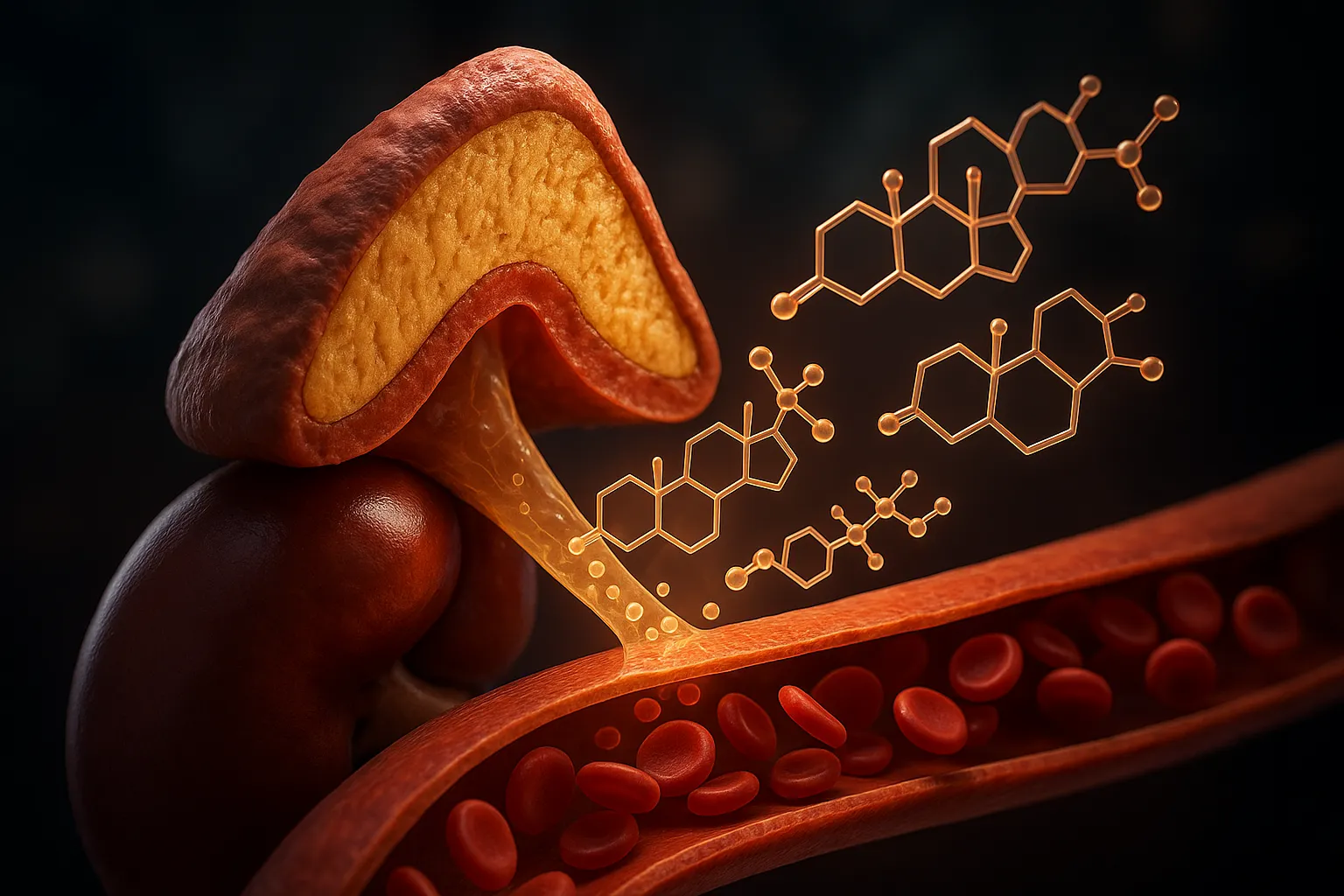
Dopamine is a monoamine neurotransmitter synthesized from the amino acid tyrosine.
In the brain, key dopamine producing areas include the substantia nigra and ventral tegmental area, which send signals to regions involved in movement, motivation, and reward.
Dopamine is also produced in smaller amounts in other tissues, including some nerve cells outside the brain.
What Dopamine does in your body
Supports motivation and goal directed behavior by signaling when actions lead to rewards or progress.
Helps regulate movement and coordination, especially in pathways that control smooth, purposeful motion.
Influences attention, focus, and learning, particularly for rewards and feedback.
Modulates mood and energy, with disrupted signaling linked to low drive, apathy, or in some cases impulsive behaviors.
Interacts with hormone and autonomic systems, influencing prolactin release and aspects of stress response.
When testing Dopamine makes sense
Evaluation of certain movement disorders in specialist settings, often through dopamine transporter imaging rather than simple blood tests.
Workup of rare dopamine related metabolic or genetic conditions.
Assessment of catecholamine pathways in specific autonomic or endocrine evaluations, usually alongside other markers.
Research settings studying reward, addiction, or neurologic disease.
For common mental health or motivation problems, routine dopamine blood tests are not used to diagnose or choose treatment. Clinicians rely on symptoms, history, and response to therapy and medications instead.
How to think about high and low Dopamine activity
This information is general and does not replace lab specific testing methods or medical evaluation.
Lower effective dopamine signaling might be associated with:
Reduced motivation, drive, or interest in activities.
Difficulty starting tasks, feeling “flat” or apathetic.
Slowed movement or stiffness in some neurologic conditions.
Problems with focus and sustained attention in some people.
These patterns are inferred from symptoms and examination rather than from simple dopamine blood levels.
Higher or dysregulated dopamine signaling might be associated with:
Certain psychotic symptoms such as hallucinations or delusions, especially in specific brain pathways.
Impulsive or risk seeking behavior, including some patterns of addiction.
Abnormal movements or dyskinesias when dopamine linked medications are used at high doses.
Medication effects on dopamine, especially when several drugs interact, can be a major driver of high or low dopamine related symptoms and must be assessed case by case.
What can influence your Dopamine levels or signaling
Medications such as antipsychotics, stimulants, some antidepressants, and Parkinson’s disease drugs that act directly on dopamine receptors or metabolism.
Recreational substances, including some drugs that strongly stimulate dopamine reward pathways and can drive addiction.
Sleep quality and circadian rhythm, which affect attention, mood, and reward processing.
Stress load, trauma history, and current psychological demands.
Physical activity, especially regular movement that supports brain health and reward circuits.
Diet patterns that influence overall energy balance and brain health, rather than any single food.
Genetics and neurologic conditions that affect dopamine pathways or receptors.

When to talk to a healthcare provider about Dopamine
Persistent low motivation, anhedonia, or major changes in drive and focus that last weeks or longer.
Movement changes such as tremor, stiffness, slowness, or new involuntary movements.
New hallucinations, paranoia, or severe mood changes, especially after medication changes or substance use.
Concerns that current medications are flattening mood or causing restlessness, agitation, or abnormal movements.
Problematic gambling, gaming, substance use, or other reward seeking behaviors that are hard to control.
A clinician or mental health professional can review symptoms, medications, and history, then decide whether therapy, lifestyle changes, medication adjustments, or referral to a neurologist or psychiatrist is appropriate.
Dopamine in one view
Dopamine is a key neurotransmitter hormone for motivation, reward, movement, and focus, but it is not something that is easily read from a simple blood test. Instead, patterns of behavior, mood, and movement give the clearest signal about how dopamine pathways are working and are often addressed through a mix of therapy, careful medication use, and structured habits that support brain plasticity, sometimes within a broader routine such as a approach planned with a clinician.