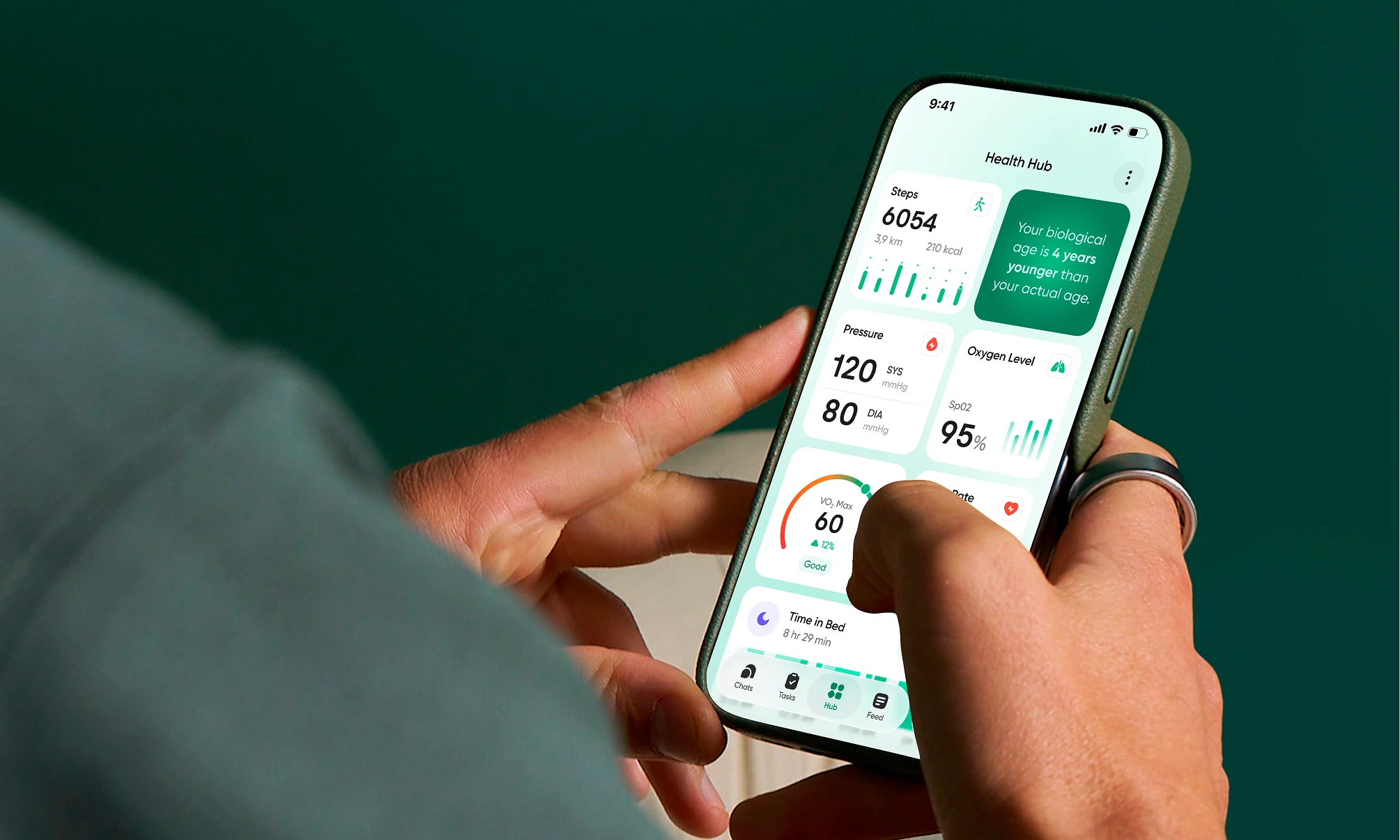
Neura + CORE Thermal Sensor
CORE Thermal Sensor helps you see how heat is affecting your body while you train, race, and recover. It brings core body temperature, skin temperature, and heat strain into one picture, so you are not left guessing when heat is starting to change what your body can handle. Neura helps make that picture more useful in context, so temperature and heat strain do not stay trapped on a workout screen and can better support pacing, recovery, and the rest of your health picture.




A clearer signal for how heat is affecting performance
CORE Thermal Sensor is useful because it gives you more than pace, heart rate, or perceived effort. It helps show when heat load is building, when thermal strain is climbing, and when your body is working under conditions that can change what feels sustainable. That gives Neura a stronger starting point when the real question is not just how hard you are going, but how much heat your body is carrying and what that should change.


Why connect CORE Thermal Sensor into Neura?
CORE can show when heat strain is building. Neura helps make that signal easier to use when deciding how hard to push and when the day needs a different pace.
Core temperature becomes more useful when it helps shape effort instead of sitting on a training screen after the fact.
CORE can show how heat is affecting you in real time. Neura helps bring that signal into your wider Health Profile instead of leaving it as one more performance metric.
How Neura uses
CORE Thermal Sensor data

CORE Thermal Sensor
Neura can use CORE as a source of core body temperature, skin temperature, and heat strain context that reflects how much thermal load you are carrying.
Neura brings that signal into your Health Profile, so heat load does not stay separate from the rest of your training, recovery, and health context.
Neura can use that context to make pacing, cooling, and effort decisions feel more realistic when heat is part of the picture.


CORE can show when thermal strain is building. Neura helps make that signal easier to use when deciding how hard to push and what the rest of the day should realistically hold.





Temperature becomes more useful when it sits inside your wider Health Profile instead of staying on a separate training screen.


When a session feels tougher than pace or heart rate suggest, CORE gives Neura more of the story behind the strain.

When heat changes what is realistic, Neura helps the next steps reflect that more honestly.
CORE Thermal Sensor
Shows core body temperature, skin temperature, and heat strain
Helps reveal how heat is affecting training and racing in real time
Adds thermal context that pace and heart rate alone cannot fully show
Neura
Brings that signal into your wider Health Profile
Helps thermal strain sit in context, not in isolation
Makes heat related data easier to use alongside the rest of your health picture