
Thyroid-Stimulating Hormone: Low vs High Signs, Testing, Energy, and Metabolism
Overview
Thyroid-stimulating hormone, often shortened to TSH, is the main signal the brain uses to tell the thyroid gland how much thyroid hormone to make. It acts like a thermostat for metabolism. When thyroid output is low, TSH usually rises to push the gland harder. When thyroid output is high, TSH usually falls. Because of this, TSH is often the first blood test used to screen thyroid function.
Clinicians typically interpret TSH together with Free T4 so they can see whether the pituitary signal and actual thyroid hormone levels match your symptoms.
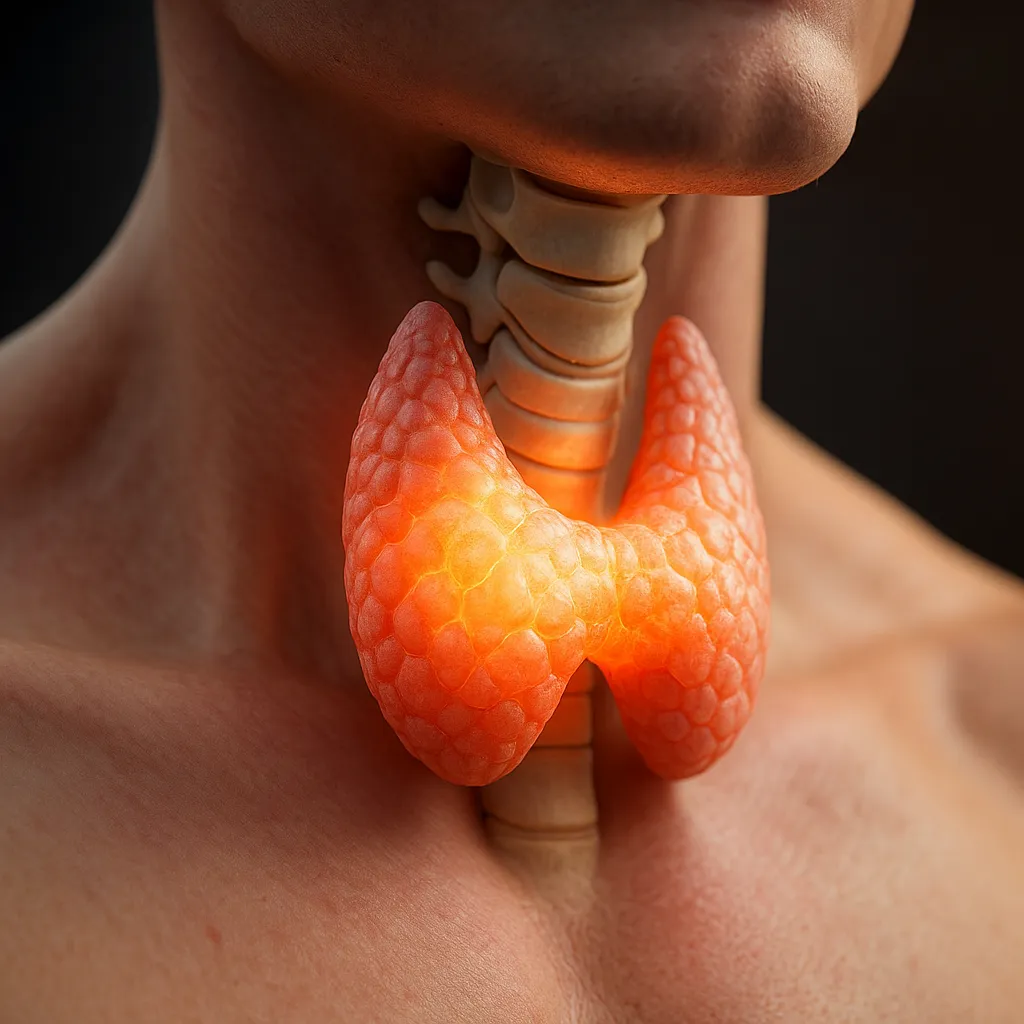
What Thyroid-Stimulating Hormone is and where it is made
Thyroid-stimulating hormone is a peptide hormone made by the pituitary gland at the base of the brain.
Its release is controlled by thyrotropin-releasing hormone from the hypothalamus and by feedback from circulating thyroid hormones.
TSH travels through the bloodstream to the thyroid gland in the neck and tells it how much thyroid hormone to produce.
What Thyroid-Stimulating Hormone does in your body
Signals the thyroid to make and release thyroxine (T4) and triiodothyronine (T3).
Helps keep metabolism in a range that supports body temperature, heart rate, and energy use.
Adjusts over time in response to illness, stress, and thyroid disease, often before symptoms become obvious.
Provides a sensitive marker for many thyroid problems because small changes in thyroid hormone levels can produce larger shifts in TSH.
When testing Thyroid-Stimulating Hormone makes sense
Persistent fatigue, low energy, feeling slowed down, or difficulty tolerating cold.
Unexplained weight change, constipation, dry skin, or hair thinning.
Anxiety, palpitations, heat intolerance, or unexplained weight loss that suggest possible overactive thyroid.
New or changing depression, brain fog, or memory concerns, especially when other causes are not clear.
Evaluation of irregular periods, fertility issues, or pregnancy planning and monitoring.
Checking thyroid status in people with autoimmune disease, goiter, or a family history of thyroid problems.
Monitoring response to thyroid medication and dose adjustments over time.
How to think about high and low Thyroid-Stimulating Hormone results
This information is general and does not replace lab specific reference ranges or medical evaluation.
High TSH might be associated with:
Underactive thyroid function when Free T4 and sometimes Free T3 are low or low normal.
Symptoms such as low energy, feeling cold, weight gain, constipation, dry skin, and slower thinking in many people.
Autoimmune thyroid disease such as Hashimoto thyroiditis, iodine imbalance, or the recovery phase after severe illness.
In some cases a mildly high TSH with normal thyroid hormone levels represents subclinical hypothyroidism. Decisions about treatment depend on symptoms, age, pregnancy status, antibody tests, and cardiovascular risk, so they are best made with a clinician.
Low TSH might be associated with:
Overactive thyroid function when thyroid hormone levels are high.
Symptoms such as palpitations, anxiety, heat intolerance, weight loss despite normal or increased appetite, and tremor.
Thyroid nodules or autoimmune hyperthyroidism such as Graves disease, and sometimes excess thyroid medication.
Low TSH with normal thyroid hormone levels is sometimes called subclinical hyperthyroidism. It can influence heart rhythm and bone health over time in some people, so it also needs individual review rather than one simple rule.
What can influence your Thyroid-Stimulating Hormone levels
Acute or chronic illness, especially severe infections and hospital stays.
Thyroid medications, including levothyroxine and combination therapies, and whether they are taken correctly.
Other drugs such as high dose steroids, some psychiatric medications, and certain heart rhythm drugs.
Iodine intake, both very low and very high, from diet or supplements.
Autoimmune thyroid disease and family history of thyroid conditions.
Pregnancy and the postpartum period, when thyroid demands and reference ranges change.
Age, since TSH distribution can shift slightly over the lifespan.
Time of day of testing and recent food or supplement intake in some cases.

When to talk to a healthcare provider about Thyroid-Stimulating Hormone
TSH results outside the lab reference range, especially when paired with symptoms of low or high thyroid function.
New palpitations, chest discomfort, shortness of breath, or significant changes in heart rate.
Noticeable weight change, temperature intolerance, or mood changes without a clear trigger.
Pregnancy planning, early pregnancy, or postpartum symptoms that might relate to thyroid function.
Questions about how to time thyroid medication and follow up labs if you are already on treatment.
A clinician can interpret TSH alongside Free T4, Free T3, antibodies, symptoms, and your broader medical history to decide whether observation, further testing, or treatment is most appropriate.
Thyroid-Stimulating Hormone in one view
Thyroid-stimulating hormone is the pituitary signal that keeps thyroid hormone output, and therefore metabolism, in balance. High TSH usually points toward underactive thyroid function, while low TSH often suggests overactive thyroid function or excess medication, but the meaning of any result depends on Free T4, related tests, and symptoms. For many people, the goal is not to chase a single ideal number, but to keep TSH and thyroid hormone levels in a range that supports stable energy, mood, and heart health, sometimes as part of a broader metabolic routine such as Time Restricted Eating.
If your TSH is outside range or does not match how you feel, it is worth a structured review with a clinician before changing medications or supplements on your own.