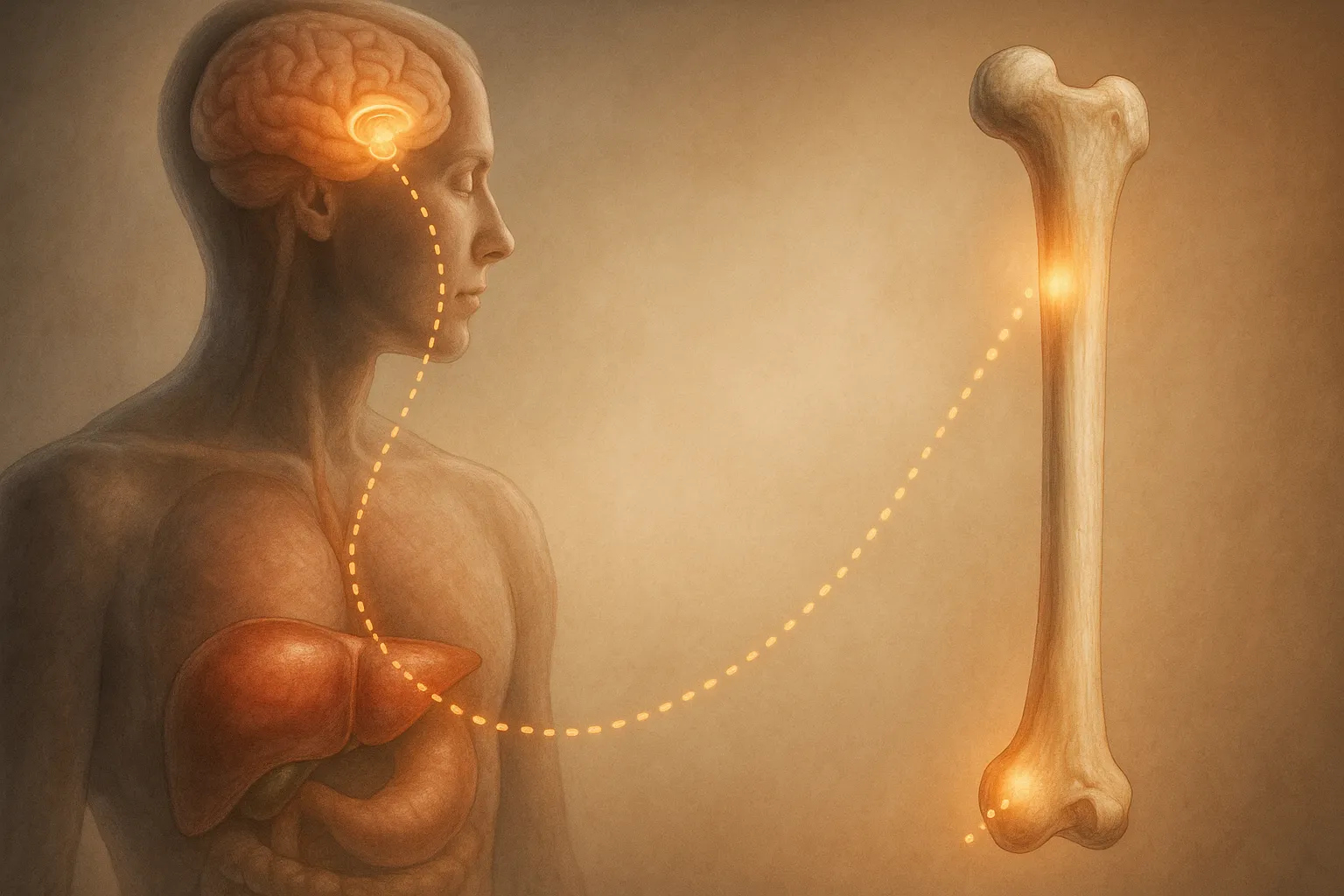
DHEA: Low vs High Signs, Testing, Energy, and Hormone Balance
Overview
DHEA (dehydroepiandrosterone) is an adrenal hormone that acts as a building block for androgens and estrogens and plays a role in stress adaptation, energy, mood, and aspects of sexual health. Levels peak in early adult life and gradually decline with age, which is why DHEA is often discussed in the context of healthy aging and vitality. Clinicians tend to look at DHEA when there are concerns about adrenal function, chronic stress, low energy, reduced libido, or hormone balance.
In lab panels, DHEA is often interpreted together with DHEA-S, a more stable sulfated form that reflects longer term adrenal androgen output.
What DHEA is and where it is made
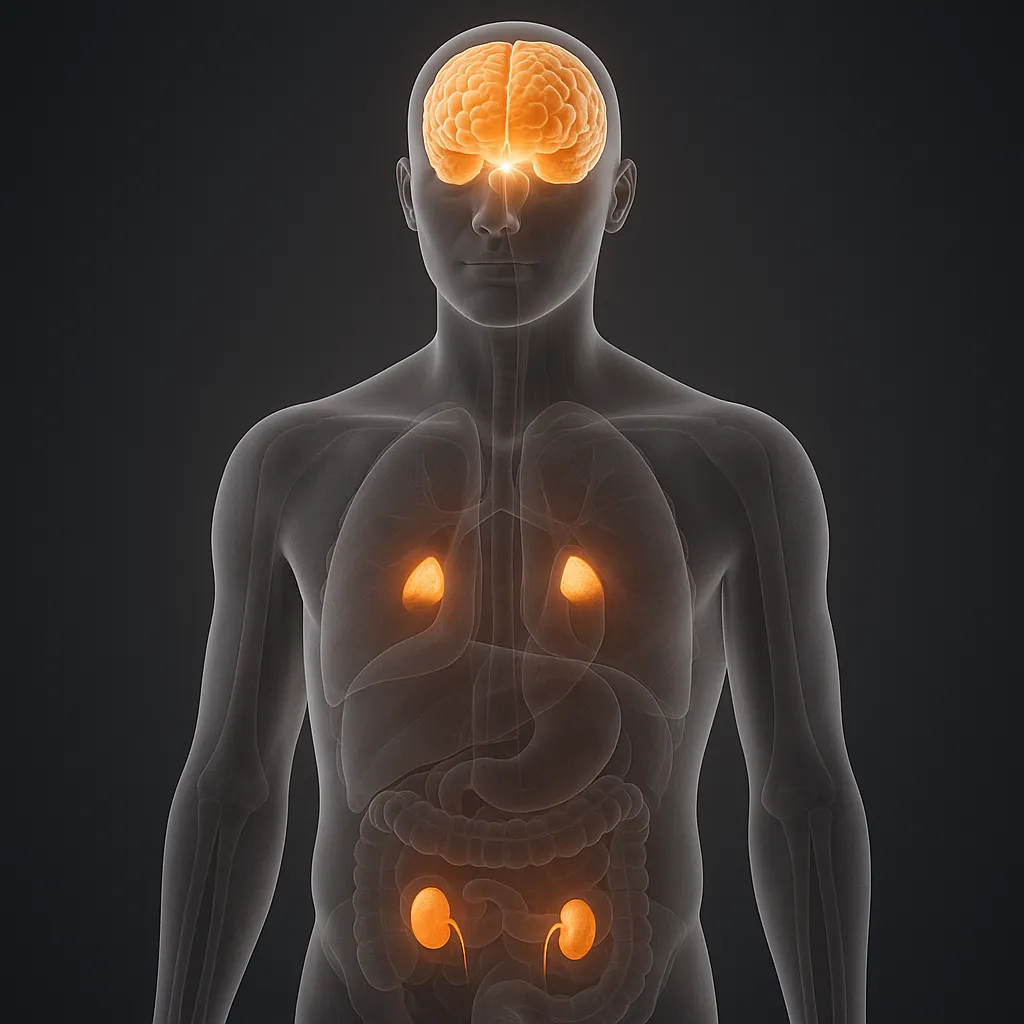
DHEA (dehydroepiandrosterone) is an adrenal hormone that acts as a building block for androgens and estrogens and plays a role in stress adaptation, energy, mood, and aspects of sexual health. Levels peak in early adult life and gradually decline with age, which is why DHEA is often discussed in the context of healthy aging and vitality. Clinicians tend to look at DHEA when there are concerns about adrenal function, chronic stress, low energy, reduced libido, or hormone balance.
In lab panels, DHEA is often interpreted together with DHEA-S, a more stable sulfated form that reflects longer term adrenal androgen output.
What DHEA is and where it is made
DHEA is a steroid hormone produced mainly by the adrenal glands, with smaller amounts made in the gonads and brain.
It is part of the hypothalamic pituitary adrenal axis and is released in response to ACTH from the pituitary.
DHEA can be converted in tissues into more potent androgens and estrogens, depending on local enzyme activity.
What DHEA does in your body
Serves as a precursor for sex hormones that influence libido, mood, and body composition.
Participates in stress adaptation alongside cortisol, but with different and sometimes balancing effects.
Supports aspects of immune function and inflammation control.
Contributes to bone health, muscle maintenance, and body composition over time.
May influence mood, cognitive function, and sense of vitality when levels are very low or very high.
When testing DHEA makes sense
Evaluation of suspected adrenal problems in combination with other adrenal labs.
Assessment of androgen status in women with symptoms such as acne, excess hair growth, or hair thinning.
Workup of low libido, low energy, or reduced sense of well being when other causes have been considered.
Part of a broader hormone and healthy aging panel that includes adrenal and sex hormones.
Follow up when DHEA supplements or medications are being used and a clinician wants to monitor levels.
How to think about high and low DHEA results
This information is general and does not replace lab specific reference ranges, age norms, or medical evaluation.
Low DHEA might be associated with:
Lower adrenal androgen output than expected for age.
Fatigue, lower stress tolerance, or reduced sense of vitality in some people.
Lower libido or reduced sexual satisfaction when combined with other hormonal and psychological factors.
Possible contribution to low bone density or changes in body composition over time.
Possible contributors include primary or secondary adrenal insufficiency, long term glucocorticoid use, pituitary problems, advanced age, or chronic illness. Interpretation depends heavily on age, sex, other adrenal markers, and clinical context.
High DHEA might be associated with:
Androgen excess symptoms in women, such as acne, excess facial or body hair, or scalp hair thinning.
Irregular periods or signs of conditions like PCOS when other criteria are present.
Rare adrenal tumors or congenital adrenal enzyme disorders that alter steroid production.
Milder elevations can occur with stress, some supplements, or lab variation. Marked or persistent high values usually need further evaluation with DHEA-S and other adrenal and androgen markers.

What can influence your DHEA levels
Age, since DHEA peaks in early adulthood and gradually declines over time.
Chronic stress, illness, and how the hypothalamic pituitary adrenal axis is functioning.
Use of glucocorticoid medications such as prednisone that suppress adrenal hormone production.
Hormonal contraception and other hormone therapies that can alter androgen and estrogen balance.
Nutritional status, including chronic undernutrition or significant weight loss.
Adrenal and pituitary health, including benign or rare tumors and prior surgery or radiation.
Use of DHEA supplements, which can raise levels beyond the body’s usual range.
When to talk to a healthcare provider about DHEA
DHEA results that are clearly outside the age adjusted reference range.
Persistent fatigue, low mood, or reduced libido where adrenal and sex hormone patterns may be relevant.
Androgen excess symptoms in women, such as acne, excess hair growth, or scalp hair thinning.
Known adrenal or pituitary conditions, or a history of long term steroid use, with new symptoms.
Questions about whether DHEA supplements are appropriate, safe, or need lab monitoring.
A clinician can interpret DHEA alongside DHEA-S, cortisol, sex hormones, and your clinical picture to decide whether observation, further testing, or treatment is appropriate.