HOMA IR: What It Says About Insulin Resistance and Metabolic Health
Overview
HOMA IR is a calculated score that combines fasting glucose and fasting insulin to estimate how insulin resistant or insulin sensitive you are. It is not a direct measurement but it can give a useful snapshot of how hard your body has to work to keep blood sugar in range. In this glossary you will see what HOMA IR actually measures, how it fits together with markers like Fasting Glucose, HbA1c, and Insulin, how to think about higher and lower scores without panic, which habits and conditions can move it, how a Blood Sugar Stabilization style approach can help, and when to walk the result through with a clinician.
What HOMA IR is and why it matters
HOMA IR stands for Homeostatic Model Assessment of Insulin Resistance. It is a formula that uses fasting glucose and fasting insulin to estimate how resistant your body is to insulin.
In simple terms:
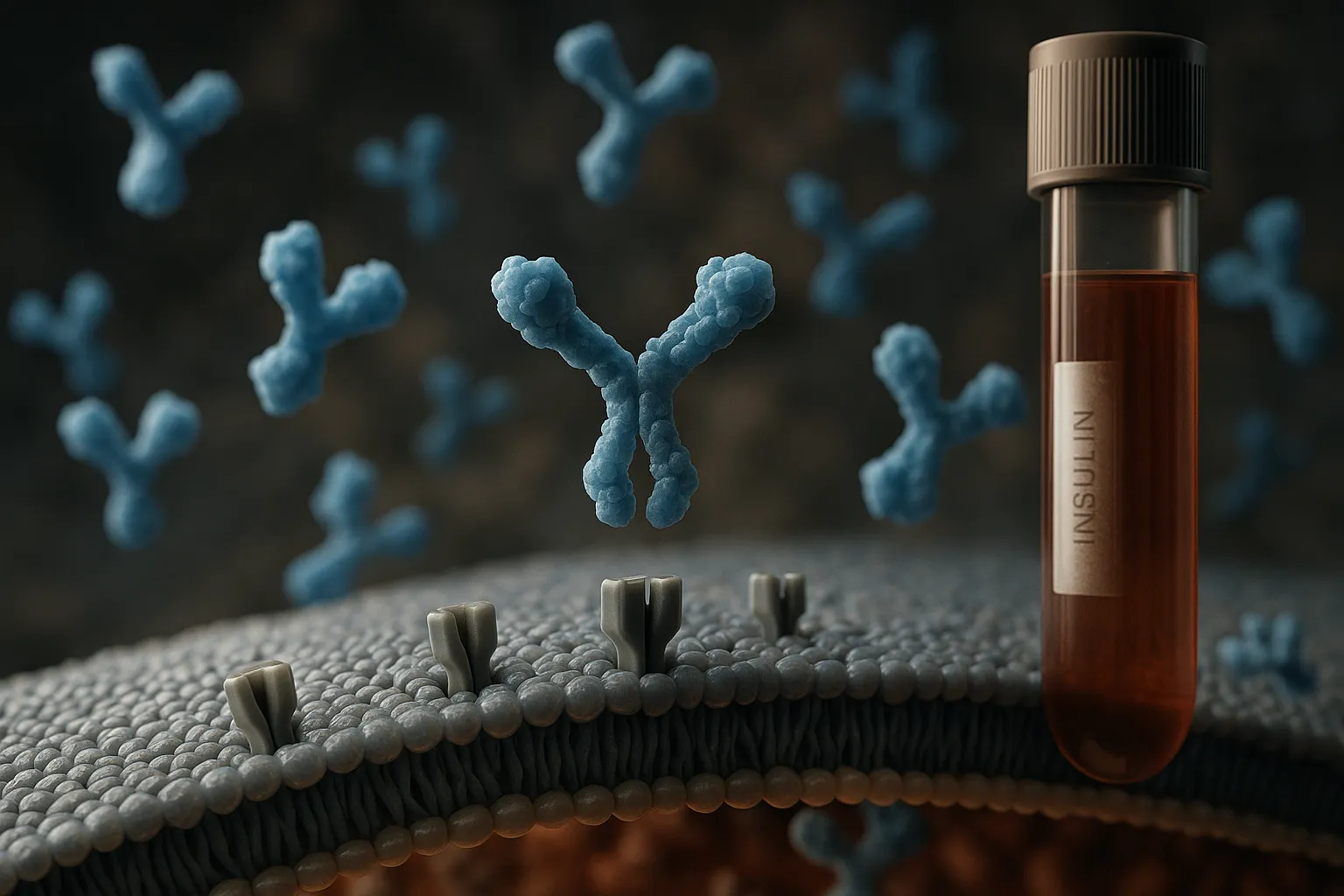
Your pancreas makes insulin to help move glucose from your blood into cells
When cells become less responsive, the body often makes more insulin to compensate
HOMA IR looks at how much insulin you are using to maintain a given fasting glucose
Higher HOMA IR usually means your body is working harder than it should to keep blood sugar in range, which is a hallmark of insulin resistance. That is why it is often used in metabolic health assessments and research on prediabetes, type 2 diabetes, fatty liver, and cardiometabolic risk.
What your HOMA IR result can tell you
Your HOMA IR score can help answer questions like:
Is my body likely insulin sensitive or insulin resistant at baseline
Am I at higher risk for prediabetes, type 2 diabetes, or fatty liver even if my fasting glucose looks okay
Do my current habits around food, movement, weight, sleep, and stress support insulin sensitivity or push against it
Are treatment or lifestyle changes actually making it easier for my body to keep blood sugar in range
Because HOMA IR is a calculation, it should always be interpreted together with the raw fasting glucose and insulin values, HbA1c, lipids, blood pressure, waist size, and your personal and family history.
How to read high and low HOMA IR
There is no single universal cutoff that works for every lab and population, but patterns are helpful.
When HOMA IR is high
A higher HOMA IR usually means:
your body is using more insulin than ideal to maintain fasting glucose
your cells are less responsive to insulin, which is the core of insulin resistance
over time this can increase the risk of prediabetes, type 2 diabetes, fatty liver, and cardiovascular disease
In real life this often travels with central weight gain, higher triglycerides, lower HDL cholesterol, higher blood pressure, and a family history of metabolic conditions. A high HOMA IR is a clear early warning signal that your metabolic system needs more support and structure, not a reason to blame yourself.
When HOMA IR is low
A lower HOMA IR generally means:
your body is able to keep fasting glucose in range without needing a lot of insulin
your cells are relatively more insulin sensitive
Extremely low values are less common as a problem, but in someone on glucose lowering medications, very low insulin levels or low glucose with symptoms can point toward overtreatment or other medical issues that should be checked.
What can affect your HOMA IR result
Since HOMA IR depends on fasting glucose and fasting insulin, anything that moves those can also move HOMA IR. Common influences include:
Food quality and carb pattern
Frequent intake of sugary drinks, refined carbs, and constant grazing tends to increase insulin demand and worsen insulin resistance over time. Shifting toward balanced meals with protein, fiber, and slower carbs can help reduce both fasting insulin and glucose.Weight and body composition
Extra fat around the abdomen is strongly linked with insulin resistance and higher HOMA IR. Gradual weight loss, especially around the waist, and building or preserving muscle mass usually improve insulin sensitivity.Movement and fitness
Regular activity makes muscles better at using glucose even when insulin levels are lower. A mix of walking, cardio, and resistance training can bring HOMA IR down as part of broader metabolic improvements.Sleep and stress
Poor sleep and chronic stress raise stress hormones that push glucose and insulin up. Improving sleep routines and stress management can quietly support better insulin sensitivity over months.Medications and conditions
Steroids, some psychiatric medications, and other drugs can worsen insulin resistance. Conditions like polycystic ovary syndrome, fatty liver disease, and sleep apnea are also linked with higher HOMA IR. Treating the underlying issue often helps the score as well.Test conditions
Not truly fasting, recent illness, or a very unusual day of eating before the test can all change the underlying glucose and insulin values. Looking at trends rather than one isolated result is usually more helpful.

When to talk to a healthcare provider about HOMA IR
It is especially important to review HOMA IR with a clinician when:
Your score is clearly elevated and fits with other signs of metabolic stress, such as high fasting glucose, higher HbA1c, central weight gain, or high triglycerides
You have a strong family history of type 2 diabetes, heart disease, or fatty liver and your HOMA IR is rising over time
You already have prediabetes or diabetes and want to understand whether your current plan is improving insulin resistance or only managing glucose numbers
You have conditions like polycystic ovary syndrome or fatty liver disease and HOMA IR is being used to track progress
A clinician can place HOMA IR next to fasting glucose, HbA1c, insulin, lipids, blood pressure, liver and kidney function, and your life context. From there you can decide on realistic next steps, which might include nutrition changes, weight and activity goals, sleep and stress work, and sometimes medications.
HOMA IR in one view
HOMA IR is a calculated estimate of how insulin resistant or insulin sensitive you are by combining fasting glucose and insulin into one score. On its own it is not a diagnosis, but together with glucose markers, lipids, blood pressure, and your habits it is a powerful early signal of how hard your body is working to keep blood sugar in range. A persistently high HOMA IR is a prompt to tighten up nutrition, movement, sleep, and stress, and to work with a clinician on a plan that lowers long term metabolic, liver, and cardiovascular risk.