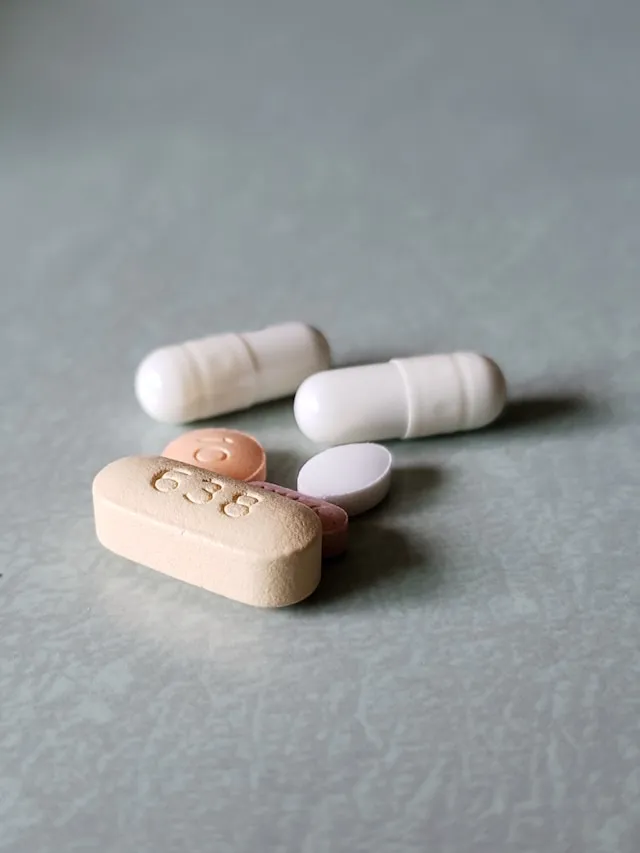
Multivitamins for Daily Nutrition and Energy: Micronutrient Coverage, Gaps and Dosing
Overview
Multivitamins help cover everyday micronutrient gaps from diet. People use them for steady energy through better nutrient status, immune support in busy seasons, and a simple “baseline” when eating is inconsistent.
If low energy might be iron related, also see Iron.
What a Multivitamin is and how it works
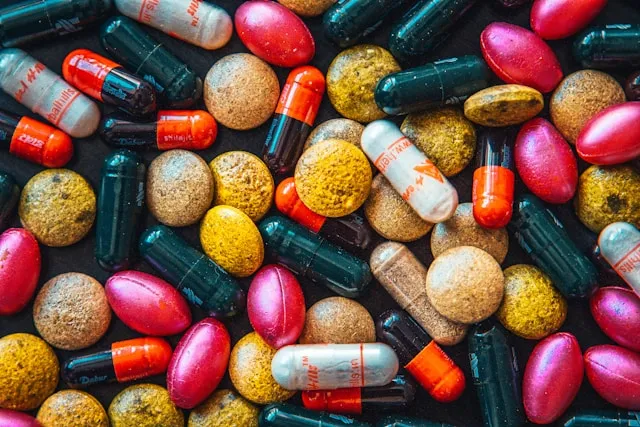
A multivitamin combines essential vitamins and minerals in one daily product. Formulas vary: some include iron, others are iron free; some use higher vitamin D; some add extras like lutein or CoQ10. The goal is to meet, not massively exceed, daily needs.
What you may notice when you try a Multivitamin
Baseline coverage
Helps avoid common shortfalls like vitamin D, iodine, or folate depending on diet.
Energy and focus feel
If you were low on key nutrients, normalizing status can support day to day energy and clarity.
Immune season backup
Having A, C, D, zinc at reasonable levels supports general immune readiness.
How to test it for two weeks
Take it at the same meal each day.
Track energy, focus in the afternoon, and overall diet quality.
Keep caffeine, sleep, and training stable so changes are clearer.
Reassess after one month. Adjust form with or without iron based on your needs.
Safety, dosing and who should skip it
Typical dosing
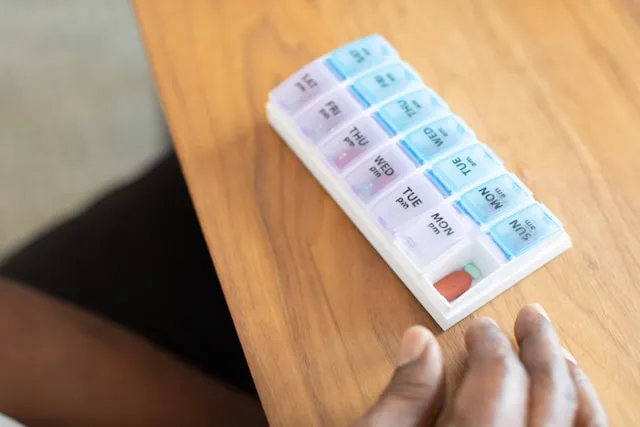
Most multis are one tablet daily or two capsules split with meals. Follow the label. Avoid stacking a multi with many single vitamins unless you check totals.
Side effects
Possible nausea if taken on an empty stomach, mild stomach upset, or bright yellow urine from B2.
Take with food.
Drug interactions
Minerals can bind medications. Separate your multi by 2 to 4 hours from levothyroxine, tetracycline/quinolone antibiotics, and bisphosphonates. Vitamin K can affect warfarin dosing. If your multi includes iron or calcium, they can reduce absorption of some meds.
Product quality
Choose third-party tested products with clear %DV and elemental amounts. Prefer transparent labels over “proprietary blends.” Check if it is with iron or iron free based on your situation.
Who should avoid it
Use caution or get guidance if you
are pregnant or breastfeeding and not on a prenatal-specific formula
have hemochromatosis or are told to avoid extra iron
are on warfarin or complex medication schedules
notice persistent nausea, rash, or GI issues after dosing
If that happens, pause and reassess.
Final Thoughts
A multivitamin is a simple way to cover daily gaps, not a shortcut for diet. Take it with a meal, avoid megadoses, and pick with or without iron to fit your needs. Track how you feel for a few weeks. If you see steady benefit and no side effects, keep the lowest effective routine. If nothing real changes, tighten up diet or switch to targeted single nutrients.