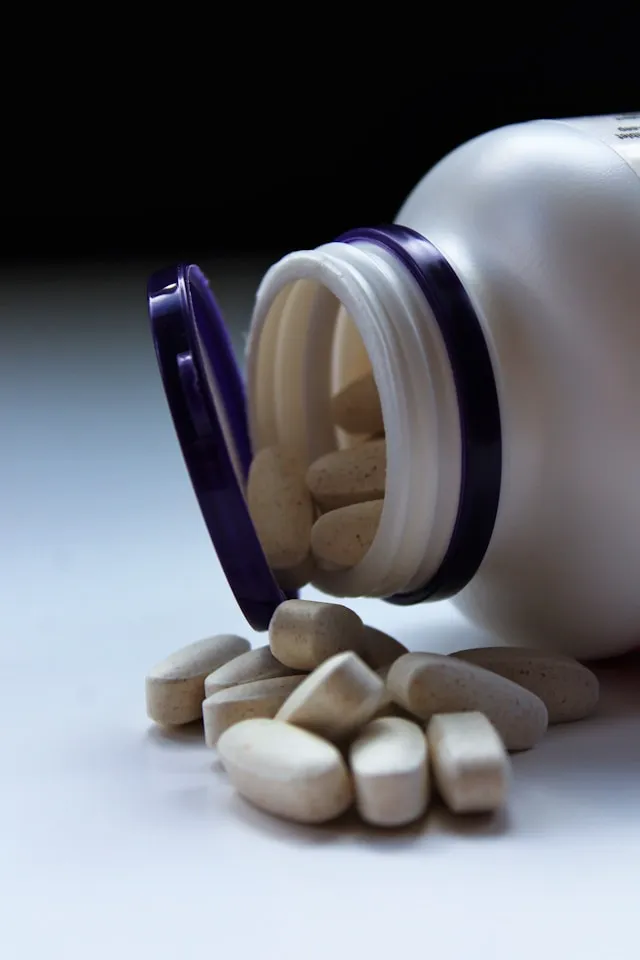
Iron for Energy and Oxygen Transport: Hemoglobin Support, Low Iron Signs, Daily Dosing
Overview
Iron helps your body make hemoglobin, which moves oxygen through your blood. Low iron can show up as low energy, shortness of breath on stairs, pale look, brittle nails, or restless legs. People supplement when diet is low or when a clinician flags low ferritin or anemia.
If you are also reviewing prenatal or red blood cell support, see Folic Acid.
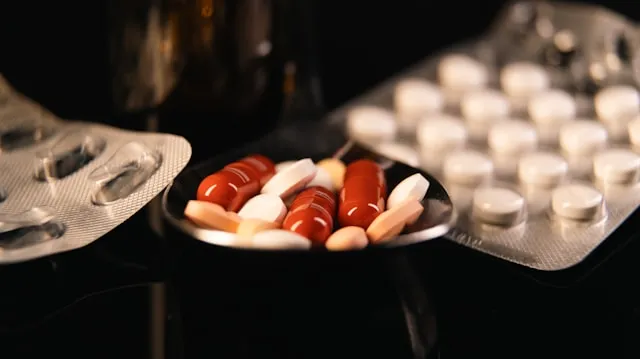
From mineral to hemoglobin: what Iron is and how it works
Iron is a trace mineral. In red blood cells, iron sits at the center of hemoglobin and binds oxygen. Supplements typically use ferrous sulfate, ferrous bisglycinate, or ferrous fumarate. Vitamin C can help absorption.
What you may notice when you try Iron

Energy and stamina
If you were low, normalizing iron can improve everyday energy and reduce that winded-on-stairs feeling.
Cognition and mood
Some users report clearer head feel and less afternoon crash when ferritin improves.
Training tolerance
You may feel less gassed starting warm ups and working sets.
How to test it for two weeks
Stay consistent with dose and timing.
Track morning energy, stair tolerance, and complexion.
Keep caffeine and meals steady.
If you feel stomach pain or black stools, stop and talk to a clinician.
Safety, dosing and who should skip it
Typical dosing
Everyday prevention: 18 to 27 mg elemental iron daily with food if advised.
Clinician-guided repletion: often 30 to 65 mg elemental iron per dose, sometimes on alternate days. Follow your clinician and label.
Side effects
Constipation, nausea, stomach pain, dark stools, or metallic taste. Taking with food or using bisglycinate may help. Keep out of reach of children.
Drug interactions
Separate iron by 2 to 4 hours from levothyroxine, tetracyclines/quinolones, PPIs/antacids, calcium, and some multiminerals, which reduce absorption.
Product quality
Choose third-party tested iron with the form and elemental mg clearly listed. Bisglycinate is often gentler; sulfate is common and inexpensive.
Who should avoid it
Do not self start or increase dose if you
have hemochromatosis, thalassemia, or repeated transfusions
are pregnant and not on a clinician-guided plan
develop persistent abdominal pain, vomiting, or very dark stools after dosing
If that happens, pause and reassess.
Final Thoughts
Iron is about oxygen delivery and day to day energy. Use small daily amounts for prevention only if advised, and use higher doses only under clinician guidance. Take it consistently, mind the timing with other meds and minerals, and track energy, stair tolerance, and complexion over a few weeks. If you see steady benefit without side effects, continue at the lowest helpful dose. If nothing changes or you feel worse, stop and get lab guidance instead of guessing.