

Green Coffee Bean Extract for Metabolism and Cravings: Chlorogenic Acids, Dosing, Safety
Overview
Green coffee bean extract comes from unroasted coffee beans and is standardized for chlorogenic acids, the compounds that are mostly broken down during roasting. People usually take it for metabolism support, carb handling, and subtle help with weight and cravings.
Marketing often frames it as a “fat burning” supplement, but in reality its effects are much softer. The more realistic picture is that it may slightly influence how your body handles carbs and blood sugar, and may blunt some appetite or cravings in the right context.
You will often see it paired with metabolic programs that focus on food quality, movement, and blood sugar stability rather than used on its own. Protocols like Metabolic Reset or Blood Sugar Stabilization are a more important foundation than any green coffee capsule.
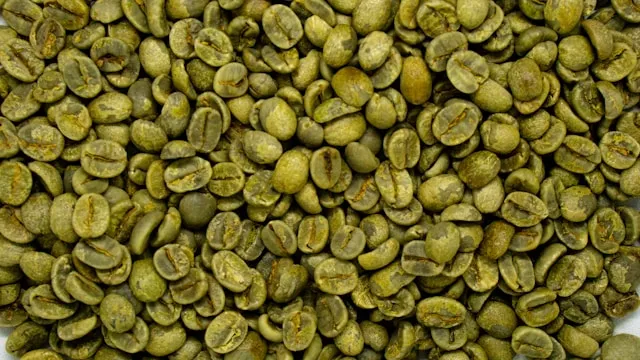
What Green Coffee Bean Extract is and how it works
Green coffee bean extract is made from raw, unroasted coffee beans and standardized for chlorogenic acids. These compounds appear to gently influence glucose absorption in the gut, liver glucose output, and how your body uses carbs and fats over the day.
Some green coffee bean products also contain caffeine, others are decaffeinated and focus mostly on chlorogenic acids. The actual feel can be quite different between the two.
Because it touches blood sugar and metabolic fuel use, green coffee bean extract often sits next to nutrition changes like higher fiber intake and more whole foods, and not as a stand alone quick fix.
What you may notice when you take Green Coffee Bean Extract

Slightly smoother post meal energy
If green coffee bean extract helps you, carbs may feel a little less like a roller coaster. Instead of a sharp spike of energy followed by a hard crash, you might notice a more even curve after carb heavy meals, especially when you are also working on portion size and food quality.
Small help with cravings and snacking
Some people describe a small reduction in between meal snacking or late night “raids” on the kitchen. It is not a strong appetite suppressant. The change is more like “it is easier to say no” rather than “I am not hungry at all.” This works best when your meals already have enough protein and fiber.
Gentle support for metabolic markers
In some people, especially those with higher body weight or blood sugar concerns, green coffee bean extract can modestly support better Fasting Glucose or other markers over time. On your lab panel that might appear as a small improvement in fasting glucose or longer term measures like HbA1c when combined with diet and movement.
A different feel than regular coffee
If your product contains caffeine, you may feel a mild energy lift similar to a light coffee but often smoother, especially when chlorogenic acids are part of the mix. Decaf versions will not give you a classic caffeine buzz but may still help with carb handling and cravings in a quieter way.
Reality check
Green coffee bean extract will not meaningfully change body weight if your food, steps, sleep, and stress stay the same. If you treat it as a metabolism “bonus” on top of a solid plan, it can sometimes help. If you expect it to carry the whole load, you are likely to be disappointed.
Safety, dosing and who should skip it
Because green coffee bean extract can affect blood pressure, heart rate, and blood sugar, context matters.
Caffeine sensitivity and heart issues
If your product contains caffeine, it can increase heart rate, blood pressure, jitteriness, and anxiety in sensitive people. If you already have heart rhythm problems, untreated high blood pressure, or strong caffeine sensitivity, be cautious. You may prefer a decaffeinated green coffee bean extract or skip it entirely.
Diabetes and blood sugar medications
Green coffee bean extract can influence blood sugar handling. If you are on medications for diabetes or fasting glucose, adding it on top of your regimen may increase the risk of low blood sugar, especially if you also tighten up your diet at the same time. Always loop in your clinician before adding it, rather than tweaking both meds and supplements on your own.
Stomach, reflux, and anxiety
Coffee related compounds can worsen reflux, stomach irritation, and anxiety in some people. If you already deal with GERD, frequent heartburn, or panic type symptoms, pay close attention to how your body responds. If symptoms worsen after starting green coffee bean extract, it is better to stop than push through.
Pregnancy and breastfeeding
Coffee as a beverage is typically allowed within certain caffeine limits during pregnancy and breastfeeding, but concentrated green coffee bean supplements have not been well studied. In these periods it is safer to work within standard caffeine guidelines using food and drinks, rather than adding extracts, unless your clinician specifically recommends them.
Unknown or severe symptoms
If you develop chest pain, new palpitations, severe headaches, very high blood pressure readings, or major mood changes, stop the supplement and seek evaluation. It should never be used to push through serious warning signs.
Quality
Look for products that list how many milligrams of green coffee bean extract you are getting per serving and what percentage of chlorogenic acids it contains. Check whether it is caffeinated or decaf. Third party testing is important, as coffee related products can be adulterated or underdosed. Avoid proprietary blends that hide the actual amount of extract.
Final Thoughts : Green coffee bean extract
Green coffee bean extract is a chlorogenic acid rich supplement used for metabolism support, carb handling, and cravings. In the right context it may slightly smooth post meal energy, make it easier to stick to your food plan, and gently support metabolic markers, especially when paired with strong basics like diet, movement, and sleep. Typical use involves a standardized extract taken before meals for at least 6 to 8 weeks. It is not a standalone weight loss or blood sugar fix and needs extra caution in people with heart issues, blood sugar medications, reflux, pregnancy, or strong caffeine sensitivity. At its best, it is a small helper inside a well designed metabolic plan, not the main driver of change.
