
Cold Plunge for Alertness, Recovery, and Resilience: Safe Adaptation Protocol
Overview
This protocol is for people who want sharper morning alertness, better stress tolerance, or a defined way to use cold exposure without turning it into an unsafe challenge. It runs as a progressive 3 to 6 week block that focuses on short, repeatable exposures rather than extreme durations. Core tools are controlled water temperature, modest time under stress, and structured breathing to harness catecholamine responses such as Noradrenaline without overloading the cardiovascular system.
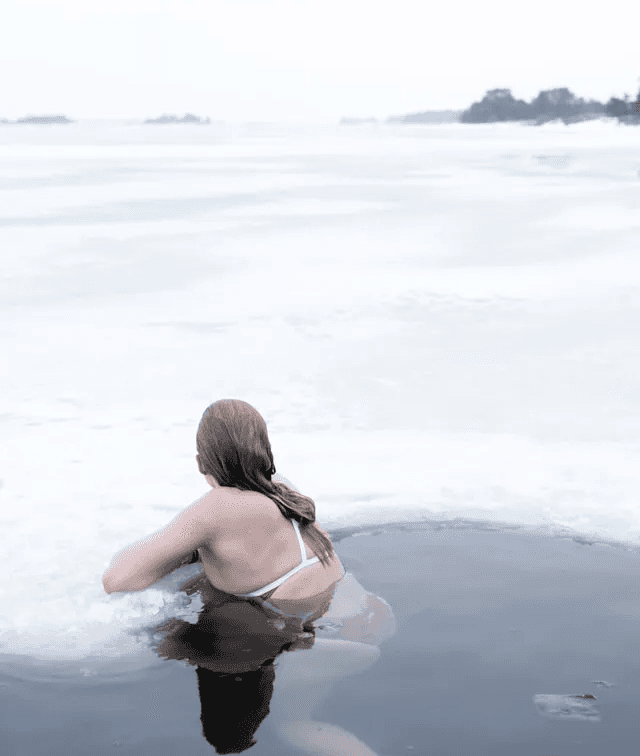
What the Cold Plunge Adaptation Protocol is and how it works
The Cold Plunge Adaptation Protocol is a structured plan for deliberate cold exposure using cool to cold water in safe, time limited bouts. Short exposures trigger acute increases in alertness and sympathetic drive, mild metabolic stimulation, and a hormetic stress signal that can build perceived resilience when applied consistently. The protocol emphasizes progressive adaptation, safety screening, and clear stop rules rather than chasing extreme temperatures or viral style endurance tests.
What you may notice when you follow this protocol
Increased subjective alertness and focus after morning or daytime sessions.
Improved confidence with manageable stress, both physical and mental.
Supportive effect on post workout recovery when timed away from key hypertrophy sessions.
A simple, repeatable practice that can replace more harmful stimulation habits for some users.
How to follow the Cold Plunge Adaptation Protocol
Baseline (3 to 5 days)
Confirm you have no known serious cardiovascular disease, uncontrolled hypertension, history of cold induced issues, or pregnancy concerns; if unsure, check with a clinician first.
Start with cool showers or short lower intensity exposures, around 20 to 60 seconds in water that feels cold but tolerable.
Practice calm nasal or steady mouth breathing instead of holding breath or hyperventilating.
Active phase (3 to 6 weeks)
Aim for 2 to 4 cold plunge sessions per week.
Use water that feels uncomfortably cold but safe to stay in for 1 to 3 minutes, and exit while you are in control, not shaking uncontrollably.
Stay focused on posture and breathing, keeping head above water and avoiding sudden full body immersion if you are new or sensitive.
Place most sessions earlier in the day so the stimulating effect does not interfere with sleep.
Keep resistance training goals in mind: avoid very cold plunges directly after key hypertrophy sessions if muscle growth is a priority.
Maintenance and repeat
Once adapted, maintain 2 to 3 short sessions per week as desired, keeping exposures consistent rather than constantly longer or colder.
If you take a long break or your health status changes, restart at baseline levels instead of jumping back into your hardest exposures.

Safety notes and who should be careful
People with cardiovascular disease, uncontrolled blood pressure, arrhythmias, Raynaud phenomenon, or significant respiratory disease must seek medical clearance before cold plunges.
Never use cold plunges alone, under the influence of alcohol or sedatives, or after exhaustive training where you feel faint or unsteady.
Avoid breath holding competitions, hyperventilation practices, or sudden head submersion which increase risk of loss of consciousness or arrhythmia.
Shivering, discomfort, and pink skin are expected; chest pain, severe shortness of breath, confusion, or prolonged numbness are red flags to stop and seek medical care.
Cold exposure is a stress tool, not mandatory; if it worsens anxiety, sleep, or recovery, reduce or discontinue instead of pushing harder.
The Cold Plunge Adaptation Protocol in one view
The Cold Plunge Adaptation Protocol is a controlled way to access the alertness and resilience benefits of cold exposure without sliding into unsafe extremes. Over 3 to 6 weeks of short, consistent, supervised sessions, most healthy users can gauge whether it meaningfully supports mood, focus, or recovery. Any concerning symptoms or relevant medical history are strong reasons to prioritize clinical guidance and more conservative methods over aggressive cold challenges.