
Whey Protein for Muscle, Recovery, and Performance: Complete Protein, Leucine, Daily Use
Overview
Whey Protein is used to:
Hit daily protein targets for muscle gain and strength
Support recovery after lifting or hard conditioning
Make it easier to cover protein when appetite or schedule are tight
It is food in powder form, not a standalone magic muscle drug.
Some users pair Whey Protein with Creatine for a simple, effective strength stack.
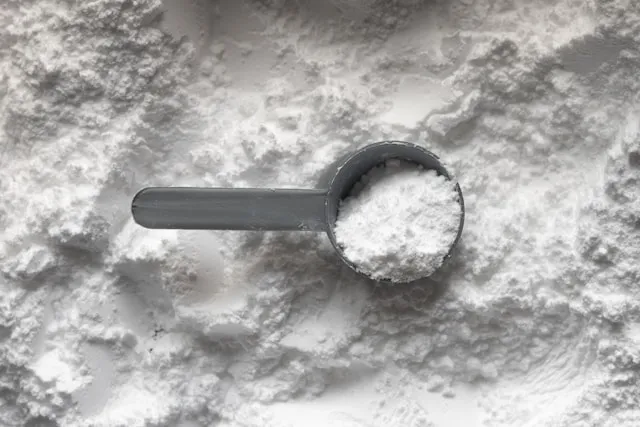
What Whey Protein is and how it works
Whey is the fast digesting protein fraction from milk. It is a complete protein with all essential amino acids and is naturally high in leucine, which triggers muscle protein synthesis. Common forms are whey concentrate, isolate, or hydrolysate.

What you may notice trying Whey Protein

Muscle growth and strength
Helps you reach total daily protein (about 1.6 to 2.2 g/kg for lifters) which is the main driver for building and keeping muscle.
Recovery
Convenient post session option so you are not missing protein in the 2 to 3 meals after training.
Body recomposition
Supports lean mass retention during cuts when calories are lower.
Convenience
Easy way to get 20 to 30 g high quality protein when you are busy or not hungry for a full meal.
Safety, tolerability and quality
Side effects
Possible:
gas, bloating, or loose stool in lactose sensitive users
mild breakouts or digestive discomfort if overused instead of food
Try isolate or smaller servings if sensitive.
Who should be careful
People with confirmed milk allergy should avoid whey.
Those with severe lactose intolerance should choose isolate or non dairy protein.
Kidney issues: follow clinician guidance on total protein, not just whey.
Product quality
Choose:
third party tested brands
clear grams of protein per scoop
minimal sugar and unnecessary fillers
transparent whey source (concentrate, isolate, or blend)
Final Thoughts
Whey Protein is a convenient, high quality protein source that makes it easier to hit the numbers required for muscle, strength, and recovery. Aim for 20 to 30 g per serving, use it to fill gaps around real meals, and let total daily protein and training consistency do the real work.