Spirulina for Energy, Immunity, and Detox Support: What It Does and How to Use It
Overview
Spirulina is a blue green algae known for its dense nutrient profile. People usually take it for natural energy, immune support, and antioxidant benefits, especially when they feel run down or want an easy way to add micronutrients to their diet.
It is rich in protein, B vitamins, minerals, chlorophyll, and antioxidants like phycocyanin. Spirulina shows up in “energy greens,” immune blends, and detox support formulas. When it works, the effect is usually softer energy, better resilience during busy periods, and a more stable gut feeling rather than a strong stimulant effect.
Spirulina fits best inside a broader Anti Inflammatory or gut friendly routine, not as a substitute for whole foods.
What Spirulina is and how it works
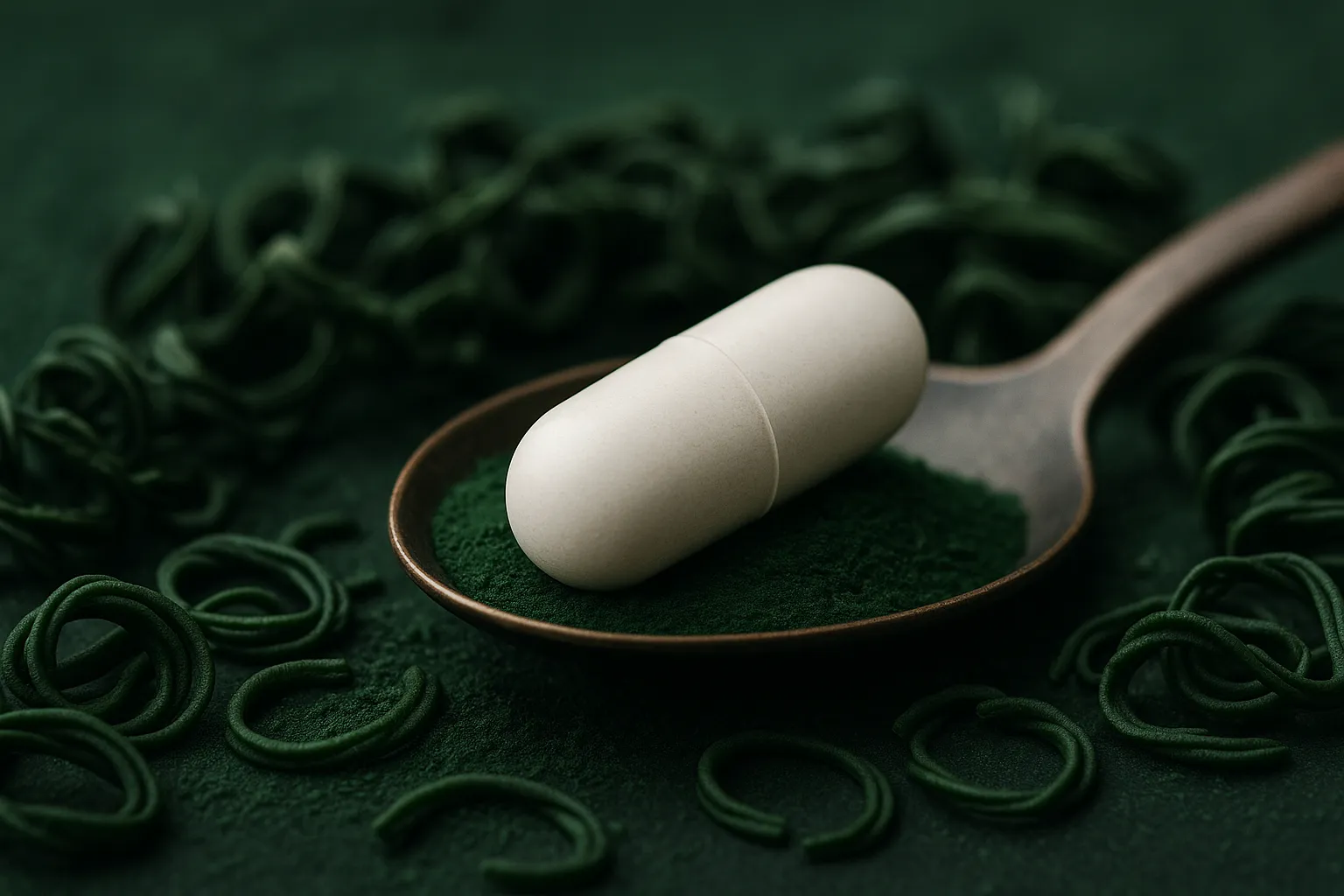
Spirulina is a cyanobacteria that grows in mineral rich freshwater. It is naturally high in protein, B vitamins, iron, magnesium, and unique pigments like phycocyanin that act as antioxidants.
These compounds can support cellular energy, modulate immune activity, and help the body handle oxidative stress. Spirulina also contains polysaccharides that may support gut immunity and general digestive comfort.
It is often paired with Anti Inflammatory or detox routines that work on the gut and liver, such as the Gut Reset Protocol.
What you may notice when you take Spirulina
Smoother, more natural energy
Spirulina does not behave like caffeine. When people respond, they describe a clean, mild lift in energy that feels steady across the day. It is often used during stressful weeks, travel, or times when the diet is not perfect and they want extra nutrient coverage.
Immune support and resilience
Because spirulina supports antioxidant pathways and immune regulation, people often report fewer “almost sick” days or a quicker bounce back from stressful periods. The effect depends heavily on sleep and food, but spirulina can add a gentle additional layer.
Gentle detox and antioxidant support
Spirulina’s antioxidants, especially phycocyanin, help the body handle oxidative stress. Some people feel less “bogged down” or inflamed, especially when they reduce processed foods and follow an Inflammation Reduction Routine.
Better micronutrient intake
For people low in iron, B vitamins, or plant nutrients, spirulina can fill small gaps. Some describe feeling more balanced and less fatigued once nutrient intake stabilizes. Labs like Ferritin or hemoglobin reflect the bigger picture, not spirulina alone.
Mild support for gut comfort
Some users feel less bloating or easier digestion with spirulina. This is usually a downstream effect of better nutrient intake and antioxidant support rather than a direct gastrointestinal action.
Reality check
Spirulina will not detox heavy metals on its own, cure chronic fatigue, or replace a balanced diet. Its effects are supportive and subtle. It works best when paired with hydration, whole foods, and steady sleep.
Safety, dosing and who should skip it
Because spirulina is a freshwater algae, sourcing and purity matter. It is usually safe for most people, but there are key situations where caution is needed.
Autoimmune conditions
Spirulina stimulates certain immune pathways. If you have an autoimmune disease such as lupus, MS, or rheumatoid arthritis, do not use spirulina without direct guidance from your specialist. It can potentially over activate immune activity in sensitive individuals.
Phenylketonuria (PKU)
Spirulina contains phenylalanine. People with PKU should avoid it unless their metabolic specialist approves it.
Pregnancy and breastfeeding
Nutrient dense foods are safe, but concentrated spirulina supplements lack strong safety data in pregnancy and breastfeeding. Given the potential for contamination, it is safer to avoid supplements in these phases unless your clinician specifically approves them.
Liver disease and contamination risk
Poor quality spirulina can be contaminated with microcystins, heavy metals, or harmful bacteria. People with liver disease should be especially cautious, as toxins can accumulate. Only use high quality, third party tested products. If you experience stomach pain, nausea, dark urine, or yellowing of the skin, stop immediately and seek evaluation.
Medications affecting the immune system
If you take immune suppressing medications, biologics, or steroids for chronic conditions, spirulina may interfere with the intended response. Check with your prescribing clinician before adding it.
Quality
Choose products that disclose origin, species, and third party contaminant testing. Organic or controlled environment spirulina is safer than lake harvested spirulina. Avoid very cheap powders or unknown brands without transparent testing.
Final Thoughts: Spirulina
Spirulina is a nutrient dense algae used for natural energy, immune resilience, antioxidant support, and gentle detox balance. People who respond often feel steadier energy, fewer run down days, and slightly calmer digestion. Typical use ranges from 1 to 3 g per day for 3 to 6 weeks. It works best as part of a nutrient rich, anti inflammatory lifestyle and should not be used as a replacement for whole foods or medical care. Avoid spirulina if you have autoimmune disease, immune suppression, pregnancy, or concerns about contamination unless your clinician approves it.