Fenugreek for Metabolism and Drive: Herbal Support, Appetite and Blood Sugar, Daily Dosing
Overview
Fenugreek seed extract is used for appetite control, mild blood sugar support, and libido or vitality claims. Some users also try it during a cut to feel more satisfied between meals. Results vary a lot person to person.
If you want a more established hormone support option, some people compare notes with DHEA.
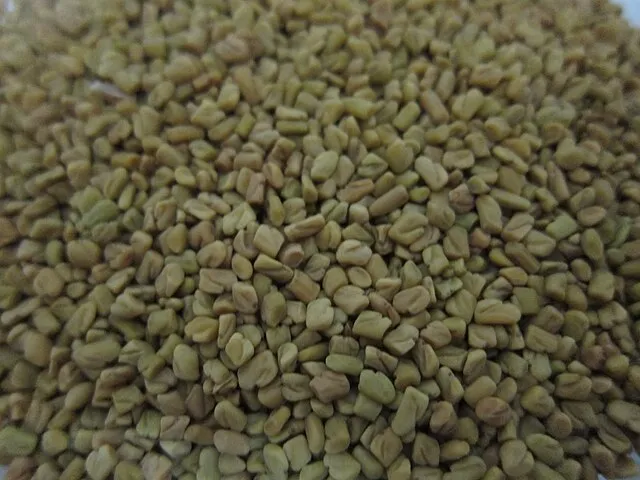
From kitchen spice to capsule: what Fenugreek is and how it works
Fenugreek is a traditional spice. Supplements use concentrated seed extract. Proposed effects include slower carb absorption, fiber and saponin activity for satiety, and possible influence on libido markers. Human evidence is mixed and depends on the extract and dose.

What you may notice when you try Fenugreek

Appetite and meal spacing
Some users feel fuller after meals or find it easier to stretch time between meals during a cut.
Glycemic support
People with high carb meals sometimes report a steadier energy curve. This is not a treatment for diabetes.
Libido and drive
Marketing often mentions libido and day to day drive. Experiences are mixed and individual.
Training consistency
A minority say they feel a bit more willing to start sessions and stick to planned sets, especially when dieting.
Safety, dosing and who should skip it
Typical dosing
Common retail range is 500 to 1,000 mg per day of standardized seed extract, often split with meals.
Side effects
Possible gas, bloating, loose stool, nausea, or body odor that smells like maple syrup. Stop if symptoms persist.
Drug interactions
Use caution with diabetes medication or drugs that lower blood sugar. Be careful with anticoagulants. If you use hormone therapy, discuss stacking first.
Product quality
Choose third party tested products with clear seed extract standardization and exact milligrams per serving. Avoid proprietary blends that hide dose.
Who should avoid it
Do not self start if you
are pregnant or breastfeeding unless cleared
have a known legume or peanut allergy history
are on diabetes meds or anticoagulants without clinician oversight
notice persistent GI issues, rash, or dizziness after dosing
If that happens, pause and reassess.
Final Thoughts
Fenugreek is a practical experiment for appetite and mild metabolic support, with bonus libido claims that are inconsistent between users.
A typical range is 500 to 1,000 mg per day with food. Start low, track appetite, post meal energy, and session consistency for two weeks, then reassess around week six. If you see steady benefit and no side effects, stay at the lowest dose that still helps and review medications with a clinician. If there is no clear change, stop and choose a better supported approach.