DHEA for Hormonal Support and Energy: Adrenal Precursor, Mood and Libido, Daily Dosing
Overview
DHEA is a hormone precursor your body makes mainly in the adrenal glands. People take it for general energy, stress resilience, mood support, healthy libido, and in some cases to support muscle and body composition as they get older.
Some people also look at Magnesium for stress and sleep support if they want a non hormonal option.
From adrenal output to downstream hormones: what DHEA is and how it works
DHEA stands for dehydroepiandrosterone. It is considered a pro hormone. Your body can convert it into other hormones, including androgens and estrogens, depending on your biology and needs.
Natural DHEA levels tend to peak in early adulthood and then slowly decline with age. That is why DHEA is often marketed as healthy aging or vitality support.
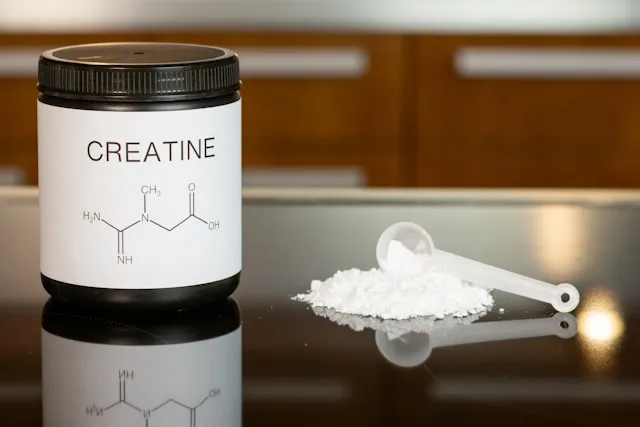
Because it feeds into multiple hormone pathways, it is not the same as a normal dietary supplement like protein or creatine. It is closer to light hormonal support.
What you may notice when you try DHEA
Energy and drive
Some users report improved get up and go, less flat feeling, and a little more willingness to train or be active.
Mood and stress tolerance
People sometimes describe feeling a little more stable or less drained by daily stress. This is not the same as a prescription antidepressant and should not replace medical care, but it is one of the common reasons people try DHEA.
Libido and intimacy
Lower libido is a frequent reason people look at DHEA, especially in older adults.
Body composition
Because DHEA can support androgen pathways, some users take it hoping to keep muscle or reduce soft look gain with age. This effect is mild and very individual.
Safety, dosing and who should skip it
Typical dosing
Most off the shelf products sit around 10 mg to 25 mg per day. Some people try even lower. Higher dose does not mean better. DHEA is active in the hormone pathway, so more is not safer.
Side effects
Possible side effects: oily skin, acne style breakouts, irritability, trouble sleeping, hair changes, or in some people a wired or snappy feeling. These are signs the dose may be too high for you.
Drug interactions
Because DHEA can convert into sex hormones in the body, it can interact with hormone related medications or hormone sensitive conditions. That includes fertility treatment, certain birth control situations, prostate concerns, breast health concerns, or androgen sensitive hair loss patterns. If you are on any hormone therapy or have a hormone related diagnosis, you should not start DHEA on your own.
Product quality
Look for a simple label that clearly states DHEA and the milligrams per capsule. Avoid blends with names like vitality complex or male performance support where you cannot see how much DHEA you are actually takin
Who should avoid
Do not self start DHEA if you:
are pregnant or breastfeeding
are under 18
have any hormone sensitive cancer history or are being monitored for that
have been told you have high androgens or are being treated for androgen related hair loss or acne
notice mood swings, anger spikes, or big skin changes right after starting
If any of that shows up, stop and talk to a clinician.
Final Thoughts
DHEA is not a basic workout powder. It is a hormone precursor that can affect mood, libido, and how you feel day to day. Typical products are in the 10 to 25 mg per day range. Start on the low end, track how you feel for two weeks, and write it down. If by week six you feel steady benefit, most people stay on the lowest dose that still helps and review all other meds with a clinician. If you feel nothing useful or you start to feel edgy, oily, or not like yourself, stop.