Cissus Quadrangularis for Joint Pain and Bone Healing: What It Does and How to Use It
Overview
Cissus Quadrangularis is an Ayurvedic plant often marketed for joint comfort, tendon support and faster recovery after strain. In a small human study, trained men with chronic joint pain reported less pain after taking Cissus Quadrangularis for 8 weeks.
Some lifters and athletes stack Cissus Quadrangularis for daytime joint comfort, then use Magnesium Glycinate at night for muscle relaxation and sleep recovery.
For longer term knee or hip stiffness from osteoarthritis, people also look at Chondroitin.

What Cissus Quadrangularis is
Cissus Quadrangularis is a vine also known as hadjod or bone setter. The stems are rich in plant compounds that appear to calm inflammation and support bone metabolism.
Modern research looks at two main areas:
Joint pain in active people. An 8 week trial in exercise trained men found meaningful drops in self reported joint pain scores after daily Cissus Quadrangularis.
Bone repair and bone maintenance. Clinical work and newer lab data suggest Cissus Quadrangularis may speed fracture healing and may help protect bone density, including in post menopausal bone loss.

What you may notice
Joint comfort
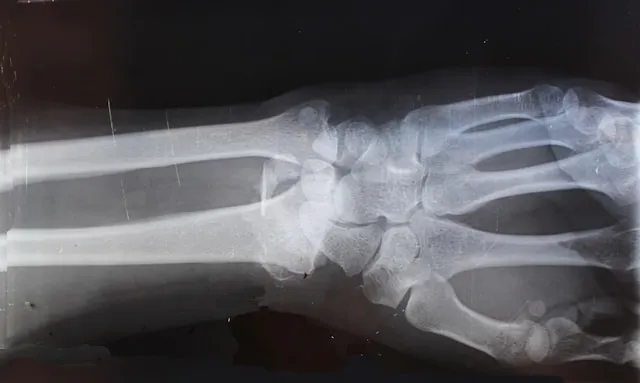
Some active adults say knees, elbows or shoulders feel less sore in day to day movement and during training after a few weeks on Cissus Quadrangularis. The small human trial in lifters supports this, but larger placebo controlled data is still limited.
Recovery and mobility
People with nagging overuse aches sometimes report they can train or lift with less irritation. This lines up with the anti inflammatory story of the plant.
Bone support
Studies in fracture patients and dental surgery patients suggest Cissus Quadrangularis may help with swelling, post surgical pain and callus formation, and may shorten functional healing time. Researchers are also testing new higher absorption versions for osteoporosis support.
Reality check
Cissus Quadrangularis is not a painkiller like ibuprofen and not a replacement for fracture care. Think of it as a support tool while you are already doing the basics: rest, load management, rehab and medical follow up.
Safety, dosing and who should skip it
Typical dosing
500 mg to 1000 mg per day is common in store products. Human studies have tested a wider range from about 300 mg to 3200 mg per day for several weeks and generally reported good tolerance. Recheck after 4 to 8 weeks because long term safety data is still limited.
Drug interactions
Cissus Quadrangularis may affect blood sugar, blood lipids and inflammation. That means you should not combine it casually with diabetes medication or strong anti inflammatory meds without medical input, because it could change how those drugs act.
Product quality
Not all Cissus Quadrangularis is standardized. Most products use stem extract. Look for clear mg per serving, plant part used, and third party testing. Some newer versions try to improve absorption with special delivery formats, which are still being studied.
Who should avoid it
Avoid self starting if you:
Are pregnant or breastfeeding
Are on blood sugar lowering meds and already run low
Are recovering from surgery with bleeding risk unless cleared
Have significant liver or metabolic issues under active treatment
These groups are more sensitive to shifts in blood sugar, inflammation and healing rate, and safety data is limited.
Stop and get help if you notice headache, stomach upset, new bruising, dizziness, or any numbness or tingling that spreads.
Final thoughts
Cissus Quadrangularis is mostly used for Bone and Joint Health and Recovery.
Early human data says it can help with exercise related joint pain and may support fracture healing and bone strength over time.
If long term stiffness is your main issue, especially in knees or hips, people also look at Chondroitin for osteoarthritis style joint pain.