Cinnamon for Blood Sugar and Metabolism: What It Does and How to Use It
Overview
Cinnamon supplements are popular for sugar control, cravings and metabolic support. People use it to try to flatten the after meal spike, improve insulin sensitivity and help with carb heavy meals. Multiple reviews and meta analyses in adults with type 2 diabetes or prediabetes found lower fasting glucose, lower A1C and better insulin resistance markers after cinnamon compared to placebo.
Some people treat cinnamon like a softer alternative to things like Berberine or Apple Cider Vinegar for post meal glucose support.
What cinnamon actually is
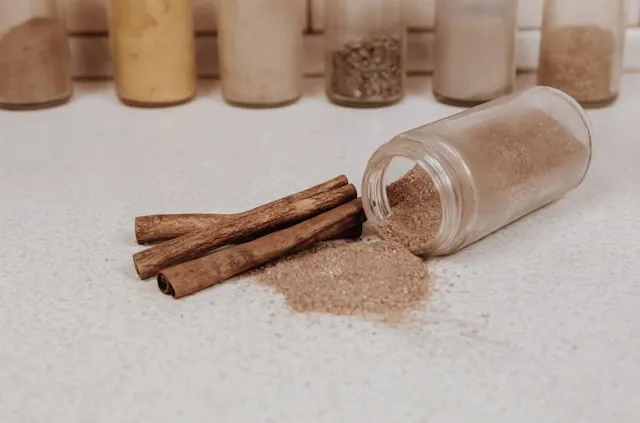
Cinnamon is the inner bark of Cinnamomum trees. The two common types are:
Cassia cinnamon
Cheaper, darker, higher in a compound called coumarinCeylon cinnamon
Often sold as "true cinnamon", lighter, much lower in coumarin
Cinnamon extracts and powders used in studies usually land between about 120 milligrams and 6 grams per day and have been tested in people with type 2 diabetes, insulin resistance and PCOS. Results are not identical across all trials, but many show modest blood sugar and A1C drops.
What you may notice
Blood sugar support
Some studies in people with high blood sugar show lower fasting glucose, better insulin sensitivity and small A1C improvements after several weeks of cinnamon. Effects tend to be bigger in people who start with higher numbers.
Cravings and post meal crash
People sometimes report fewer sugar crashes and less "I need something sweet right now." This is likely tied to the same insulin and glucose effects.
Cholesterol and inflammation
Some research links cinnamon to lower LDL and triglycerides and to general anti inflammatory activity. This is interesting but not as consistent as the blood sugar story.
Reality check
Cinnamon will not fix sleep, stress or no movement. Think of it as support, not a cure.
Safety, dosing and who should skip it
Typical dosing
Many adults use 500 mg to about 2000 mg of cinnamon extract per day with food. Research ranges from about 120 mg up to 6 g per day for 4 to 18 weeks in people with high blood sugar.
Recheck after a few weeks. Long term high dose safety is not fully known.
Drug interactions
High dose cinnamon may change how your body processes prescription meds and may thin the blood. Strong cautions exist for people on blood thinners and for people already on diabetes medication, because stacking both can drive sugar too low.
Product quality
Cassia cinnamon is high in coumarin, a natural compound that can stress the liver in high amounts, especially in people who already have liver issues. Ceylon cinnamon has much lower coumarin and is generally preferred for regular use.
Choose products that say what type of cinnamon you are getting and avoid giant "proprietary blend" labels with no milligrams listed.
Who should avoid it
Skip self starting cinnamon supplements if you:
Have liver disease or a history of liver problems
Are on blood thinners
Are on diabetes meds and already get low sugar episodes
Are pregnant or breastfeeding and have not cleared it
Are giving it to a child without medical guidance
People with these risks are more sensitive to coumarin and to blood sugar drops.
Final thoughts
Cinnamon is mainly used for Blood Sugar Control and Metabolism. Studies in people with high glucose and insulin resistance show modest drops in fasting sugar, A1C and triglycerides.
Smart plan
Pick one goal like post meal spike
Start with a moderate daily dose, not the max
Track numbers and how you feel for 2 to 4 weeks
Stop if you see signs of low blood sugar or any liver red flags like yellow eyes or upper right belly pain.
If you want full metabolic support, also check Berberine.