

Morning Cold Showers for Alertness, Mood, and Resilience: 2–4 Week Routine
Overview
This routine is for people who want a quick morning “on switch” without relying on heavy stimulants. It runs 2–4 weeks and uses brief cold exposure after a warm shower to raise alertness and practice calm breathing under mild stress. Many pair it with Noradrenaline awareness to frame why short cold bouts can feel energizing.
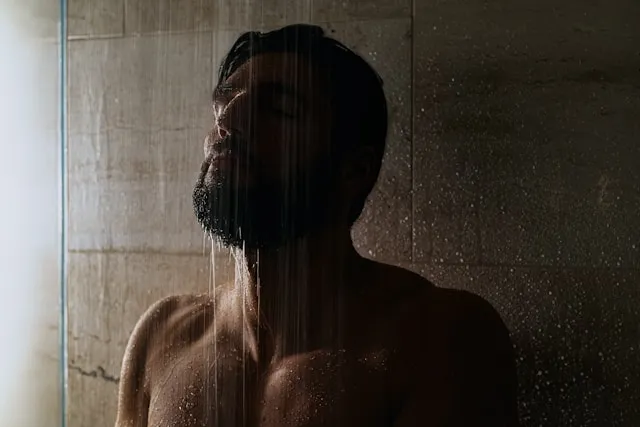
What the Morning Cold Showers Routine is and how it works
A time-bound habit of finishing (or taking) morning showers cold for a short, controlled duration. The acute cold stimulus prompts a sympathetic “wake-up” response while you train steady breathing and composure. Done consistently, it can feel like a fast, low-friction mood and focus primer.

What you may notice when you follow this routine
Sharper morning alertness without escalating caffeine.
Calmer response to daily stressors after training breath control.
More reliable “start line” for focus and movement.
Occasional help with earlier sleep timing when used in the morning (avoid late evening).
How to follow the Morning Cold Showers Routine
Baseline (3 days)
End your normal warm shower with 15–30 seconds cold.
Keep face/head out if you’re sensitive; breathe slowly through the nose or steady mouth breathing.
Active phase (2–4 weeks)
Most mornings: build to 1–3 minutes cold, exiting while you remain in control (no violent shivering).
Use calm, steady breathing the whole time; no breath-holds or hyperventilation.
If desired, alternate 30s warm / 30s cold for 3–5 rounds.
Keep sessions earlier in the day so stimulation doesn’t impair sleep.
Maintenance and repeat
Hold 3–5 cold finishes/week long term, adjusting duration with season and stress load.
After breaks or illness, restart at baseline and rebuild.
Safety notes and who should be careful
Get medical guidance first if you have cardiovascular disease, uncontrolled hypertension, arrhythmias, Raynaud’s, or are pregnant.
Never combine with alcohol/sedatives, extreme breath-hold drills, or when you feel faint.
Stop with chest pain, severe shortness of breath, or prolonged numbness.
If anxiety spikes or sleep worsens, shorten, warm it up, or discontinue.
The Morning Cold Showers Routine in one view
A brief, controlled cold finish trains alertness and composure without chasing extremes. Two to four weeks usually shows whether mornings feel clearer and stress tolerance improves; keep a light version if it helps, and default to safer, warmer routines if it doesn’t.
