
HRV Recovery for Stress Resilience, Sleep, and Training: 14–28 Day Routine
Overview
For people whose wearables show low/volatile HRV, unrefreshing sleep, or harder recoveries after training. This 14–28 day routine lifts the floor of recovery using easy breathing, steady cardio, light-after-sunset, and better load management. Many pair it with Cortisol (AM) to frame how stress timing maps to HRV trends over weeks.
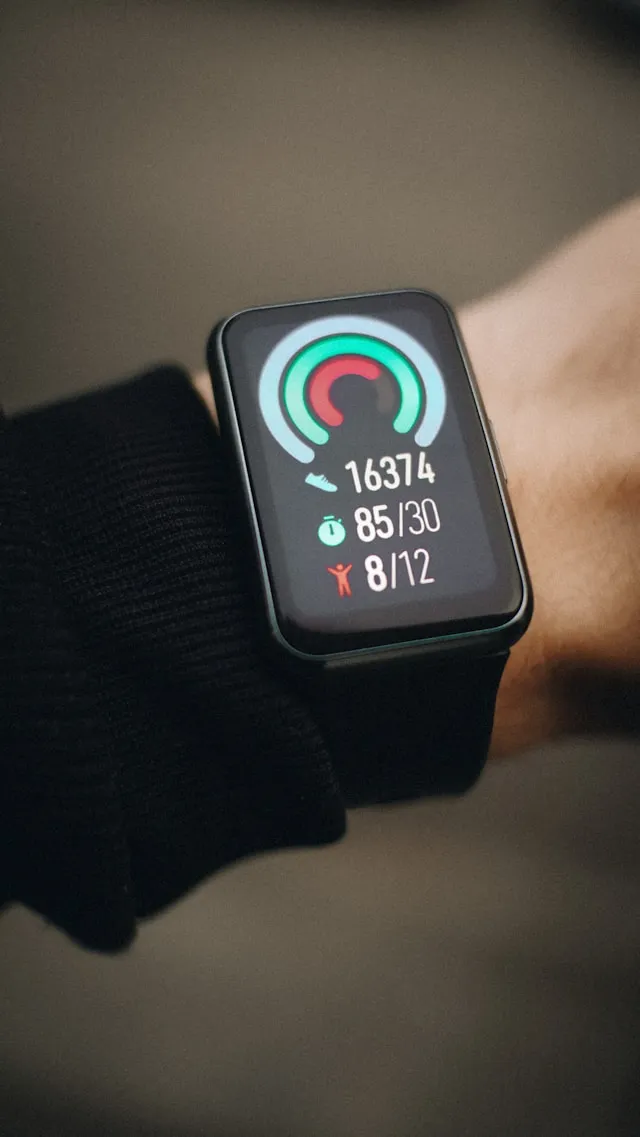
What the HRV Recovery Routine is and how it works
HRV (heart rate variability) reflects the balance of your autonomic nervous system. You’ll apply repeatable inputs that increase parasympathetic tone (long exhales, sleep hygiene, earlier light/dinner) and reduce unnecessary sympathetic load (stacked stimulants, late screens, chaotic training). Consistency raises baseline HRV and smooths day-to-day swings.

What you may notice when you follow this routine
Calmer baseline with fewer stress spikes.
Deeper, more continuous sleep and better morning alertness.
Improved training readiness and fewer “dead” sessions.
Clearer focus without leaning on heavy stimulants.
How to follow the HRV Recovery Routine
Baseline (3 days)
Record current bedtime, caffeine timing, last screen time, and training load.
Start 3–5 minutes/day of slow breathing with long exhales (e.g., 4s in, 6–8s out).
Add a 10-minute easy walk after your main meals.
Active phase (14–28 days)
Breath work daily: 5–10 minutes of long-exhale or “physiological sighs” (double-inhale, long exhale), once or twice per day.
Zone 2: 2–3×/week, 30–45 min conversational pace to build the aerobic base that supports HRV.
Strength: keep 2 short sessions/week; avoid stacking HIIT on poor-sleep days.
Caffeine & light: cutoff ≥8 h before bed; after sunset use lamps/warm light and dim screens.
Wind-down (30–60 min): reading, stretch, journal; phone docked away. Aim for a fixed wake time daily.
Maintenance and repeat
Keep breath work (5 min) and one post-meal walk daily.
Use HRV trends (weekly) instead of obsessing over single-day dips; re-run a strict 2-week block after travel or heavy life stress.

Safety notes and who should be careful
HRV is a proxy, not a diagnosis; trends matter more than single-night scores.
Big day-to-day drops often reflect sleep loss, dehydration, alcohol, illness, or excess intensity - address those first.
If you have chest pain, severe breathlessness, palpitations, or fainting, seek medical care; don’t self-treat by chasing HRV.
Shift workers and new parents should focus on consistency and naps where possible; absolute scores may stay lower but still improve relative to your own baseline.
Certain meds, high altitude, and acute infections can transiently lower HRV—zoom out to the 14–28 day view before changing training wholesale.
The HRV Recovery Routine in one view
Lift your recovery floor with 5–10 minutes of long-exhale breathing, 2–3 Zone 2 sessions weekly, post-meal 10-minute walks, and strict evening light/caffeine rules plus a fixed wake time. Track trends, not single nights. Within 2–4 weeks most people feel calmer, sleep deeper, and train more consistently. Keep a light version long term and scale load based on how you feel and what your multi-day HRV trend shows.