
Evening Blue-Light Reduction for Sleep, Mood, and Recovery: 14–21 Day Protocol
Overview
For people who fall asleep late, wake up at night, or feel wired at bedtime. This 14–21 day protocol reduces bright/blue light after sunset so melatonin can rise on time. Core tools are warm/dim lamps, screen night modes, and a short wind-down-often paired with Melatonin used cautiously as a helper, not a crutch.
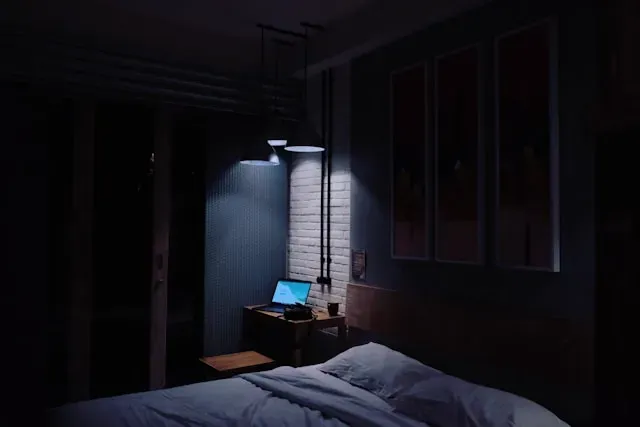
What this protocol is and how it works
Evening blue-light reduction limits short-wavelength and bright light hitting the eyes after sunset. That removes the “daytime” signal to your circadian clock, letting melatonin increase and arousal drop. Practical changes—dimmers, warm bulbs, dark themes, and phone docking-shift biology toward earlier, deeper sleep.
What you may notice
Faster sleep onset and fewer late-night second winds.
Deeper, more continuous sleep and better morning alertness
Calmer evening mood and easier wind-down
More predictable sleep timing for work and training
How to follow the Evening Blue-Light Reduction Protocol
Baseline (2–3 days)
Note your last bright-screen exposure and typical bedtime.
Switch phones/PCs to Night Shift / Night Light / Dark Mode all day; stronger after sunset.
Active phase (14–21 days)
2–3 h before bed: use lamps, not bright overheads; set bulbs to warm/amber.
Screens: enable max warmth + low brightness; avoid short-form feeds late.
Phone dock: park it outside the bedroom or across the room 60 min before lights out.
Wind-down (30–60 min): book, stretch, breath work, or journaling—no intense work or news.
Bedroom: keep dark, cool, quiet; consider blackout curtains / eye mask.
If you must screen late: use largest screen farthest from eyes, dark theme, and reduce brightness.
Maintenance and repeat
Keep “lamps only” after sunset as default; re-run strict 2-week blocks after travel or schedule drift.
Safety notes and who should be careful
Blue-blocking glasses are optional; dimming and timing usually matter more.
Watch for tripping hazards with low light; use pathway night-lights if needed.
If you have suspected sleep apnea, severe insomnia, or mood disorders, pair this with clinical care.
Late-evening intense exercise or caffeine can override light gains; align all cues, not just screens.
The Evening Blue-Light Reduction Protocol in one view
Two to three hours before bed, swap overheads for warm lamps, set screens to warm + dim, dock the phone, and run a 30–60 minute wind-down. In 2–3 weeks most people fall asleep faster, wake less, and feel clearer in the morning. Keep the lamp habit long-term; use supplements sparingly and fix the environment first.