

Cupping for Pain Relief, Recovery, and Mobility: Structured 3–6 Week Protocol
Overview
This protocol is for people with chronic muscular tightness, heavy training loads, or localized back and shoulder discomfort who want a hands on recovery tool. It runs as a defined 3 to 6 week block of structured sessions rather than sporadic treatments, so changes in tension, soreness, and mobility can be tracked. Many users pair Cupping with Magnesium as part of a broader recovery routine that also supports muscle relaxation and sleep.
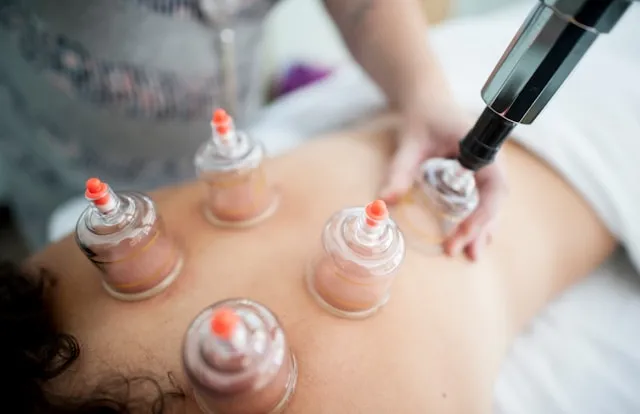
What the Cupping Protocol is and how it works
The Cupping Protocol is a planned series of treatments using suction cups on targeted muscle regions. Negative pressure lifts the skin and superficial tissues, which can increase local blood flow, alter pressure on pain receptors, and create a sense of reduced tightness in some users. Delivered consistently by a trained practitioner, it functions as a supportive technique alongside strength work, mobility, and rehabilitation, not a stand alone cure.

What you may notice when you follow this protocol
Reduced feeling of tightness or heaviness in treated areas such as upper back, traps, or posterior chain.
Short term relief in localized muscle discomfort after intense training blocks.
Easier movement into overhead, rotation, or hinge positions when tissues feel less restricted.
A predictable recovery rhythm that pairs with other modalities instead of random sessions.
How to follow the Cupping Protocol
Baseline (single visit)
Book an assessment with a trained practitioner to review goals, medical history, medications, and skin condition.
Identify 1 to 2 target regions, such as upper back or hamstrings, and define simple tracking markers like tension rating or range of motion.
Active phase (3 to 6 weeks)
Schedule cupping once every 7 to 10 days on agreed target areas.
Keep strength training, sleep, and nutrition relatively consistent so changes can be interpreted.
Monitor how long post session relief lasts and whether mobility or comfort improves over consecutive treatments.
Maintenance and repeat
If benefits are clear, shift to cupping every 3 to 6 weeks as a maintenance option.
If no meaningful change after 3 to 4 sessions, reconsider or discontinue rather than extending indefinitely without results.
Safety notes and who should be careful
Always use a qualified practitioner who follows hygiene standards and appropriate suction levels.
People with bleeding disorders, on anticoagulant therapy, with uncontrolled diabetes, fragile skin, or active infections in the area should avoid or get medical clearance.
Expect temporary circular marks or mild soreness; severe pain, blistering, or broken skin is a sign to stop and review technique.
Do not apply cupping over open wounds, varicose veins, acute injuries, or the spine without expert oversight.
Treat cupping as supportive care, not a substitute for imaging, diagnosis, or treatment of serious or unexplained pain.
The Cupping Protocol in one view
The Cupping Protocol is a short, structured series of treatments aimed at easing local muscle tension and supporting recovery in clearly defined areas. Most users can judge value within a 3 to 6 week window and then either keep light maintenance or move on. Persistent pain, neurological signs, or lack of benefit are signals to prioritize proper medical assessment instead of adding more cupping or heavier suction.