
The Whole30 Diet — 30-Day Elimination Rules, Reintroduction, Risks, and A Sample Day
Links:
Summary
Whole30 is a short term, two phase protocol. For 30 days you eat whole foods and avoid added sugars, alcohol, grains, legumes, and dairy, then you reintroduce foods in a stepwise way to learn your personal tolerances. It is framed as a reset rather than a permanent diet. Authoritative medical explainers describe the eliminations and the 30 day window clearly, while the program’s official rules outline the elimination and reintroduction steps. Cleveland Clinic
Core Principles of the Whole30 Diet
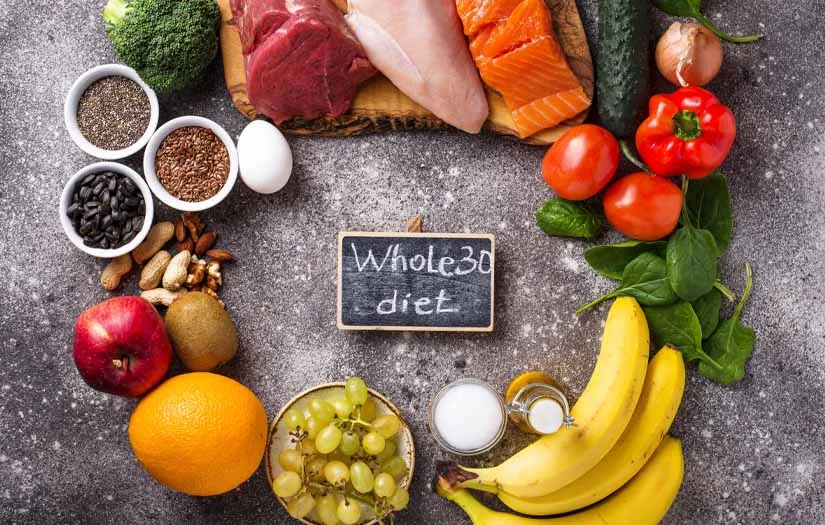
Eat meat, seafood, or eggs, lots of vegetables and fruit, and natural fats. Skip added sugar and sweeteners, alcohol, all grains, most legumes including soy and peanuts, and dairy. Avoid “SWYPO” recreations of sweets with compliant ingredients during the 30 days. After day 30, reintroduce one category at a time and observe symptoms before moving to the next. These principles come directly from Whole30’s published rules and clinical explainers from major health systems. The Whole30® Program
For adjacent frameworks, compare the more general Paleo template, the blended Pegan approach, and balanced long term options like Mediterranean or DASH.


Health and Practical Considerations
Why you should care. Short term eliminations can help some people spot food intolerances and cut ultra processed foods and added sugars. Independent guidance from Harvard and the American Heart Association emphasizes limiting added sugar for cardiometabolic health, even outside of Whole30. Use Whole30’s 30 days to reset label reading and taste for unsweet foods, then transition to a sustainable pattern. Harvard Health
Potential downsides. Whole30 is restrictive during elimination and removes nutritious foods like legumes, whole grains, and dairy. Medical sources note it is not intended as a permanent diet and may be hard to maintain. If you have diabetes, kidney disease, a history of disordered eating, or you are pregnant, involve a clinician before any elimination plan. For long term weight or heart outcomes, reviews of popular diets suggest adherence and overall quality matter more than brand names.
Practical tips
• Plan protein and vegetables at each meal, add potatoes or fruit to keep fiber and energy up.
• Keep a brief food and symptom log during reintroduction.
• After day 30, fold back legumes, whole grains, and fermented dairy if tolerated to improve fiber, calcium, and B vitamins.
• Use added sugar limits from AHA or the Dietary Guidelines when you exit the elimination phase.
A Day on the Whole30 Diet

Breakfast (7:30 AM):
Eggs cooked in olive oil with spinach and mushrooms, side of roasted sweet potato. Coffee or tea, no sweeteners or dairy.
Lunch (12:30 PM):
Grilled chicken or salmon salad with mixed greens, cucumber, tomatoes, olives, avocado, and olive oil and lemon.
Snack (4:30 PM):
Apple and a handful of unsalted almonds, or carrots and compliant salsa or guacamole.
Dinner (7:30 PM):
Roasted cod or turkey burger patties, cauliflower mash, and sautéed green beans. Herb tea after the meal.
Beverages:
Water, sparkling water, unsweetened tea, or black coffee. No alcohol or added sweeteners during the 30 days.