The Pritikin Diet — Heart Program Evidence, Core Rules, and A Sample Day
Links:
Summary
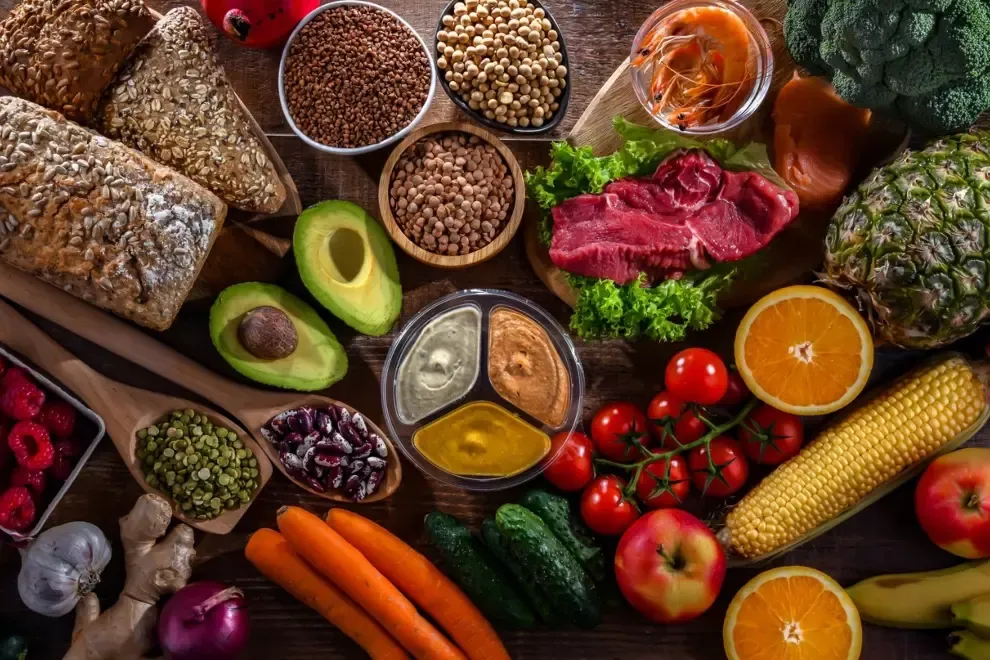
The Pritikin Diet centers meals on vegetables, fruits, intact whole grains, beans and lentils, and modest portions of nonfat dairy or soy. Added oils are minimized. The plan sits inside a broader lifestyle program that includes daily movement, stress management, and education in clinical settings.
Core Principles of the Pritikin Diet
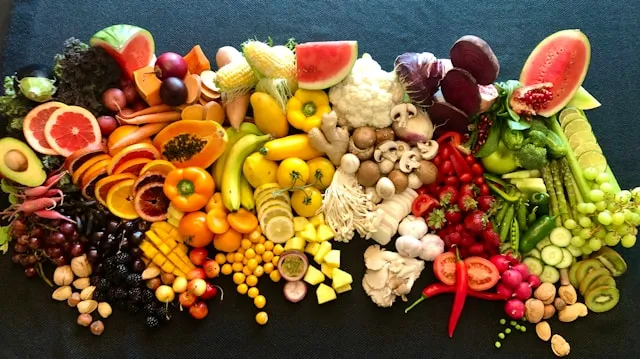
Build plates from fiber-rich plants and keep added fats very low. Choose beans or lentils for protein, intact grains for steady energy, and lots of vegetables and fruit for micronutrients and phytochemicals. If dairy is used, select nonfat options or fortified soy. The program is usually delivered as part of intensive cardiac rehabilitation with exercise and behavior change support recognized by Medicare.
For related plant-forward templates, see the very low-fat Ornish Diet, the balanced Mediterranean Diet, and blood-pressure focused DASH


Health and Practical Considerations
Peer-reviewed and program evaluations show improvements in weight, lipids, blood pressure, and other cardiometabolic risk factors in Pritikin intensive cardiac rehabilitation participants. Medicare’s National Coverage Determination lists the Pritikin Program as an approved Intensive Cardiac Rehabilitation model based on published evidence. Contemporary outpatient and worksite studies report feasibility and short-term risk factor gains when the Pritikin approach is delivered in real-world settings. As with any pattern, outcomes depend on adherence and overall lifestyle support.
Practical tips
• Make vegetables and legumes the base of most meals and keep added oils low.
• Use intact grains like oats, barley, brown rice, and farro instead of refined grains.
• Choose nonfat dairy or fortified soy if included.
• Plan for vitamin B12 and iodine if animal products are minimal, and watch calcium and iron.
A Day on the Pritikin Diet
Breakfast (7:30 AM):
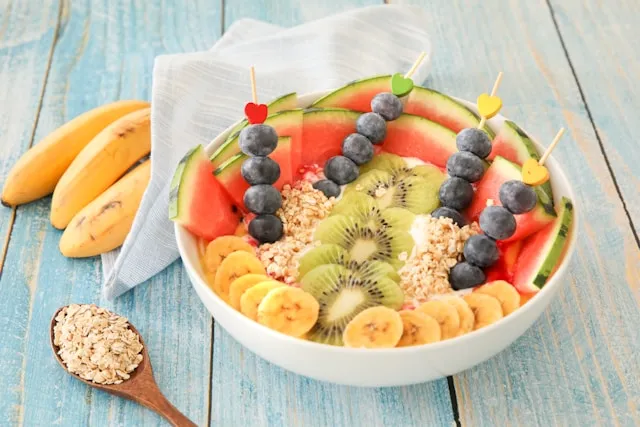
Steel-cut oats with blueberries, ground flax, and cinnamon. Black coffee or tea.
Lunch (12:30 PM):
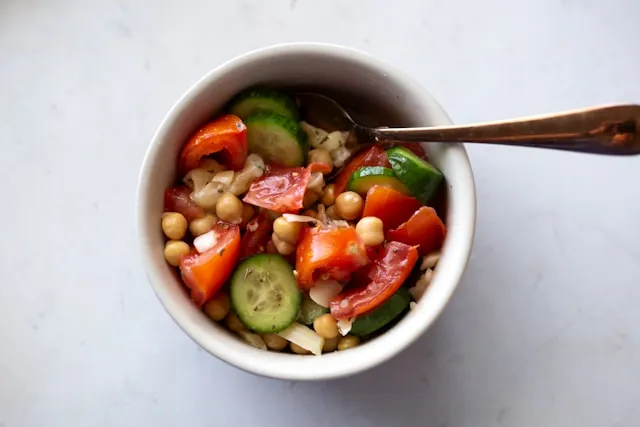
Big salad with mixed greens, tomatoes, cucumbers, chickpeas, and balsamic vinegar and herbs. Side of barley or brown rice.
Snack (4:30 PM):
Fresh fruit and a small portion of unsalted edamame.
Dinner (7:00 PM):
Lentil and vegetable stew served over quinoa, plus steamed broccoli with lemon. Optional nonfat yogurt or fortified soy yogurt. Herb tea after the meal.
Beverages:
Water, sparkling water, coffee, and tea. Keep added oils and high-fat toppings low.