The Ornish Diet — Heart Disease Evidence, Core Rules, and A Sample Day
Links:
Summary
The Ornish Diet emphasizes very low total fat, high fiber, and predominantly plant foods with optional fat-free dairy and egg whites. It was evaluated in the Lifestyle Heart Trial, which reported regression of coronary atherosclerosis at 1 year and sustained benefits at 5 years in patients using comprehensive lifestyle changes without lipid-lowering drugs.
Core Principles of the Ornish Diet
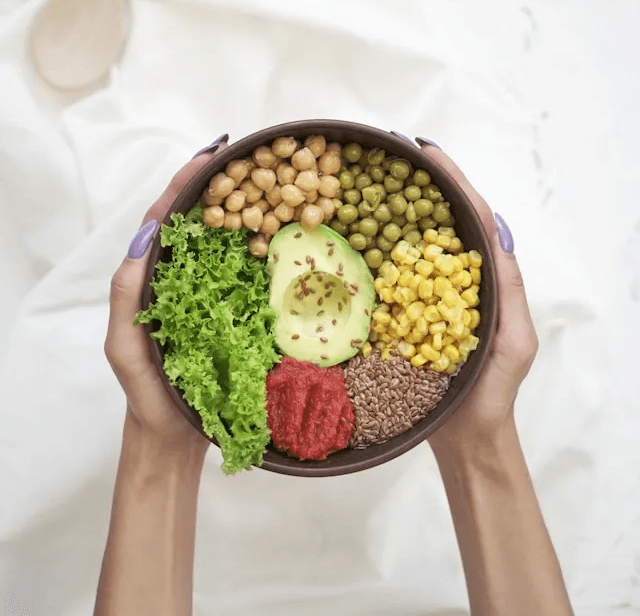
Daily plates center on vegetables, fruits, legumes, intact whole grains, and soy foods, with nuts and seeds used sparingly. Added oils are minimized. The diet is part of a broader lifestyle program that includes physical activity, stress management, and social support. Medicare recognizes the Ornish Program as an approved Intensive Cardiac Rehabilitation model, which underscores the structured, multi-component nature of the plan in clinical settings. cms.gov
For plant-forward ideas that are less restrictive yet heart-healthy, see the Mediterranean Diet and DASH. If you prefer a general plant template without strict fat limits, the Vegetarian Diet and Anti-Inflammatory Diet are practical options.


Health and Practical Considerations

Peer-reviewed publications from the Lifestyle Heart Trial reported angiographic regression and improved risk factors in participants adhering to an intensive lifestyle program built on a very low-fat, plant-based diet, stress reduction, exercise, and support. These studies remain influential but also draw debate over sample size, design, and generalizability. Recent American Heart Association guidance evaluates popular patterns against heart-healthy criteria and highlights how low-fat, plant-rich approaches can align with core recommendations when diets are balanced and sustainable. Use clinical judgment and personalize for adherence, protein needs, and micronutrients such as B12, calcium, iodine, iron, and zinc.
Practical tips
• Build meals from beans, lentils, vegetables, fruit, and intact grains.
• Choose fat-free or very low-fat dairy if included, or use fortified plant alternatives.
• Keep added oils and high-fat processed foods minimal.
• Plan for B12 and iodine, and monitor iron and calcium as needed.
A Day on the Ornish Diet

Breakfast (7:30 AM):
Steel-cut oats with berries and ground flax, cinnamon, and a splash of fortified fat-free milk or soy drink.
Lunch (12:30 PM):
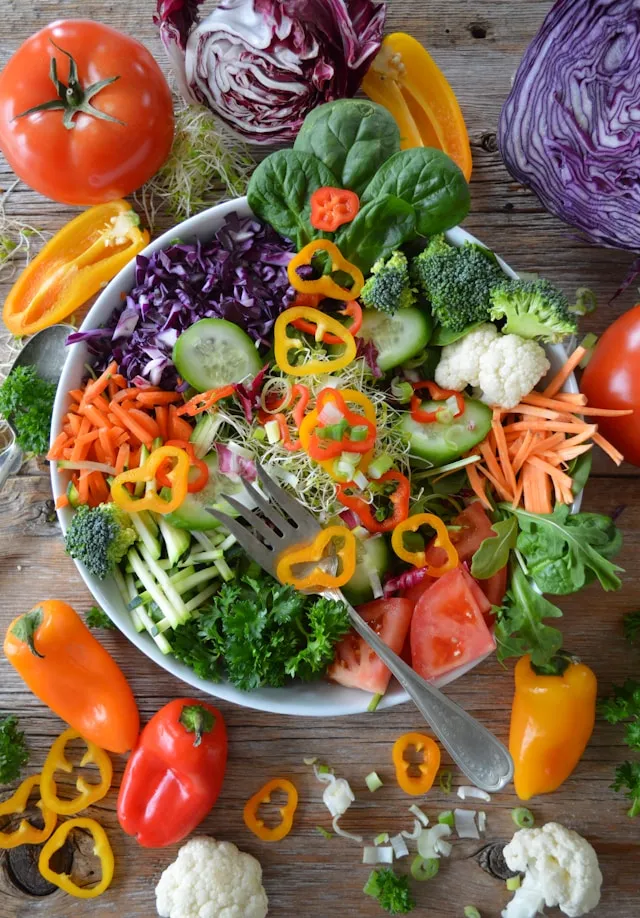
Hearty vegetable and lentil soup, big salad with mixed greens, tomatoes, cucumbers, chickpeas, balsamic vinegar, and herbs. Whole-grain bread on the side.
Snack (4:00 PM):
Fresh fruit and a small portion of unsalted edamame.
Dinner (7:00 PM):
Brown basmati rice with mushroom and spinach sauté cooked in vegetable broth, plus a side of roasted vegetables. Optional fat-free yogurt or soy yogurt. Herb tea after the meal.
Beverages:
Water, sparkling water, coffee, and tea. Keep added oils and high-fat toppings low.