
Zinc Picolinate for Immunity, Hormones, and Skin: What It Does and How to Use It
Overview
Zinc picolinate is a popular form of zinc that is often chosen for its high absorption. People look at it when they want to support immunity, hormones, and skin, especially if their diet is low in zinc rich foods like red meat and shellfish.
Typical reasons to use zinc picolinate:
Frequent colds or feeling run down across the cold and flu season
Breakouts, slow wound healing, or fragile nails when diet has been low in animal protein
Interest in normal testosterone and hormone function, which is tied to zinc status and markers such as Total Testosterone
Zinc picolinate is usually used as a focused upgrade on top of a multivitamin or a mainly plant heavy diet, not as a replacement for food.
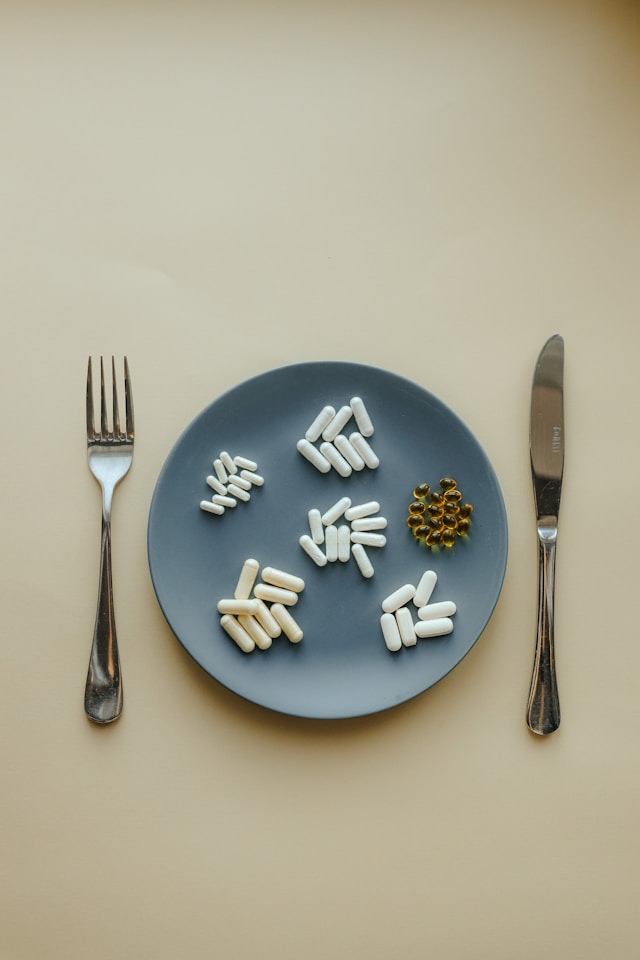
What Zinc Picolinate is and how it works
Zinc picolinate is zinc that has been bound to picolinic acid, which is meant to help with absorption in the gut. The core mineral is still zinc, and it is involved in:
Immune cell development and coordination
Hormone production and receptor function
Skin barrier repair, wound healing, and hair and nail integrity
Hundreds of enzyme reactions that handle growth, repair, and antioxidant defenses
Your body does not store large reserves of zinc. Intake from food and supplements needs to be steady over time. When someone eats very little meat, avoids shellfish, or has chronic digestive issues, zinc intake or absorption can quietly slide below what they need.
Zinc picolinate is one of several forms that can help fill the gap. Others include zinc gluconate and zinc citrate. The best form is usually the one you tolerate well and can take consistently at a sane dose.
What you may notice when Zinc Picolinate is in a good range
Immune support
If you were mildly low, bringing zinc back into range can make you feel more resilient during cold and flu season. That can look like fewer small infections or faster recovery when the basics like sleep and nutrition are in place.
Hormone support
Zinc is involved in normal testosterone and thyroid hormone production and signaling. Correcting a deficit can support energy, training, and body composition, but only as part of a bigger picture that includes calories, protein, and sleep.
Skin, hair, and nails
Low zinc can quietly limit skin repair. When you correct it, breakouts, redness, or slow healing may improve, and nails can feel less brittle. This works best together with overall skin care, not in isolation.
Taste and appetite
Zinc deficiency can blunt taste and appetite. Some people notice that food tastes more vivid and appetite normalizes when levels are corrected.
Reality check
If zinc was not your weak link, extra zinc will not fix every problem. It is a high impact nutrient for some people, but it is still just one part of the system.
Safety, dosing and who should skip it
Typical dosing and upper limits
Long term daily intake for most adults is usually kept around 8 to 15 mg per day from all sources
Going up to 25 mg per day for a limited period can be reasonable if you were clearly low
Regular intake above 30 to 40 mg per day from all supplements increases the risk of side effects and mineral imbalances
Copper and other minerals
Chronic high dose zinc can reduce absorption of other minerals, especially copper. Over time, that can contribute to anemia or immune changes. If you are using higher dose zinc for more than a short block, it is smart to discuss copper and labs such as Copper with a clinician.
Side effects
Zinc picolinate issues are often dose related and include:
Nausea or stomach cramps, especially on an empty stomach
Metallic taste
Occasional loose stools if the dose is too high for you
Taking zinc with food and staying within reasonable dose ranges reduces this risk.
Drug interactions and conditions
Use more caution and get medical input if you:
Have chronic digestive disease or malabsorption
Have kidney disease or are on dialysis
Are taking multiple medications that already affect minerals or the immune system
In these settings, zinc might still be useful, but dosing and monitoring should be guided by a professional.
Who should avoid self starting high doses
Avoid pushing higher dose zinc on your own if you:
Are pregnant or breastfeeding, where prenatal safe ranges matter
Are a minor in a structured medical or training program
Have unexplained anemia, low White Blood Cell Count, or neurologic symptoms that have not been evaluated
Stop and re check with a clinician if you notice:
New or worsening digestive issues
Unusual fatigue, weakness, numbness, or changes in mood that might be related to mineral shifts
Product quality
Look for:
Clear labeling of zinc amount per capsule and the form (zinc picolinate)
No hidden zinc in proprietary blends without a listed dose
Third party testing where possible
Final thoughts: Zinc Picolinate
Zinc picolinate is a well absorbed way to cover a very important mineral for Immune Support, Hormone Support, and Skin Health. It is most helpful for people who do not eat much meat or shellfish, or who have digestive issues that lower zinc absorption.
Key points:
Long term daily intake is usually in the 8 to 15 mg range from all supplements
Short blocks up to 25 mg per day can be used, but chronic high dose use can deplete other minerals
Pay attention to symptoms of both low and high zinc and to related markers like copper and blood counts if you are on zinc for a longer time
If you are pregnant, have major medical conditions, or take multiple medications, bring zinc dosing into a conversation with your clinician rather than guessing
Used thoughtfully, zinc picolinate can be a clean way to correct a real gap, not a megadose cure all.