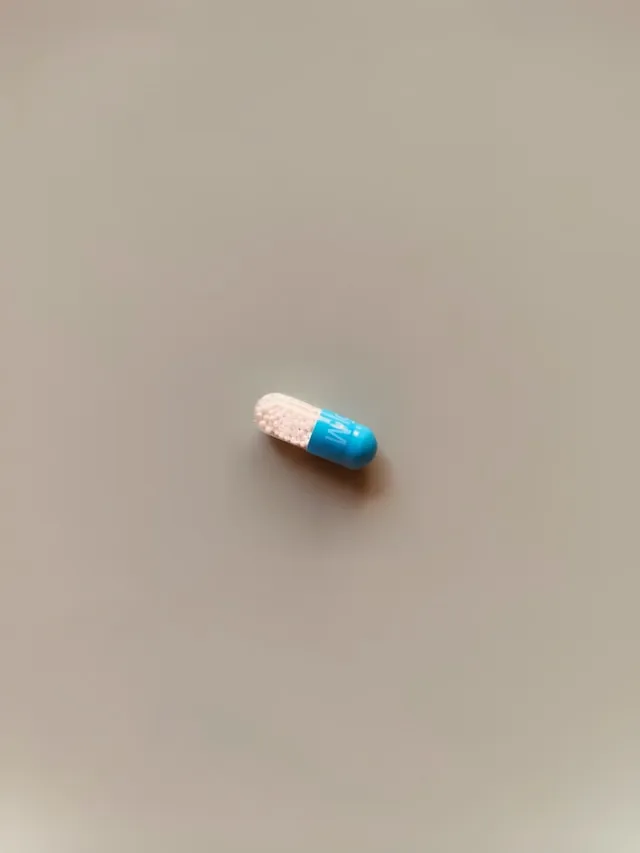
Vanadyl Sulfate for Blood Sugar and Insulin Mimetic Claims: What It Is, Risks, Daily Dosing
Overview
Vanadyl Sulfate is marketed as an "insulin mimetic" for:
Blood sugar and insulin sensitivity support
Muscle glycogen and pump with high carb meals
Bodybuilding and performance stacks
In practice, human data are limited, effects are inconsistent, and safety is a concern at higher or long term doses. It should not replace medically proven strategies for blood sugar control.
Some people use prescription Metformin, under clinician guidance, for evidence based blood sugar management.
What Vanadyl Sulfate is and how it works
Vanadyl Sulfate is an inorganic vanadium compound. At certain doses, vanadium can interact with insulin signaling pathways and glucose transport in cells. It is positioned as a nutrient that may modestly influence glucose handling, but it behaves more like a drug candidate than a basic mineral and accumulates in the body.
What it is claimed for (and what to expect)

Blood sugar and insulin sensitivity
Small, mixed studies suggest possible modest improvements in insulin sensitivity or fasting glucose, mostly in supervised settings. Not reliable enough for self directed diabetes management.
Pump and glycogen
In bodybuilding circles it is used with carb heavy meals for fuller muscles and pump. Evidence is anecdotal and does not override safety.
Reality check
If it has an effect, it is usually small and slow. The risk and uncertainty are high compared with proven options like nutrition, training, weight loss, and prescription therapy when indicated.
Safety, dosing and who should avoid it
Typical dosing
Supplement labels often list about:
5 to 10 mg vanadium (as Vanadyl Sulfate) one to three times daily
Total daily intake commonly 10 to 30 mg, sometimes up to 50 to 60 mg in older bodybuilding protocols
Higher doses and long term use increase toxicity risk and are not recommended without medical oversight.
Side effects and risks
Potential issues include:
GI upset, nausea, cramps, diarrhea
metallic taste
fatigue, headache
possible effects on kidneys, liver, blood pressure, and lipids with chronic or high dose use
discoloration of tongue or stool in some reports
Because vanadium can accumulate, chronic exposure is the main concern.
Drug interactions and cautions
Use extreme caution or avoid if you:
have diabetes and are on insulin or oral hypoglycemics (risk of low blood sugar)
have kidney or liver impairment
take multiple medications affecting blood pressure, kidneys, or metabolism
Do not combine with other aggressive "insulin mimetic" stacks.
Product quality
If used at all:
choose third party tested products that list exact mg Vanadyl Sulfate and
mg elemental vanadium
avoid blends that hide dose
avoid megadose “hardcore” products with unclear sourcing
Who should avoid it
Strongly avoid or get specialist guidance if you:
are pregnant or breastfeeding
have kidney disease, liver disease, or a history of heavy metal issues
are under 18
have diabetes managed with medications
notice hypoglycemia, severe GI issues, metallic taste, or unusual fatigue after starting
Final Thoughts: Vanadyl Sulfate
Vanadyl Sulfate is a high caution, low reward option in modern stacks. Any insulin like effect is modest and comes with toxicity questions, especially at bodybuilding style doses. For most people, it makes more sense to focus on diet, training, weight, sleep, and, when needed, proven medications rather than leaning on Vanadyl Sulfate.