Turmeric (Curcumin) for Joints, Inflammation, and Recovery: Standardized Extract, Daily Dosing
Overview
Why people take Turmeric / Curcumin
Turmeric root and its active curcuminoids are used to support joint comfort, inflammation balance after training, and general recovery. Most of the meaningful effect in supplements comes from standardized curcumin extracts, not culinary spice alone.
Some joint and recovery routines also include Omega-3 for complementary inflammation support.
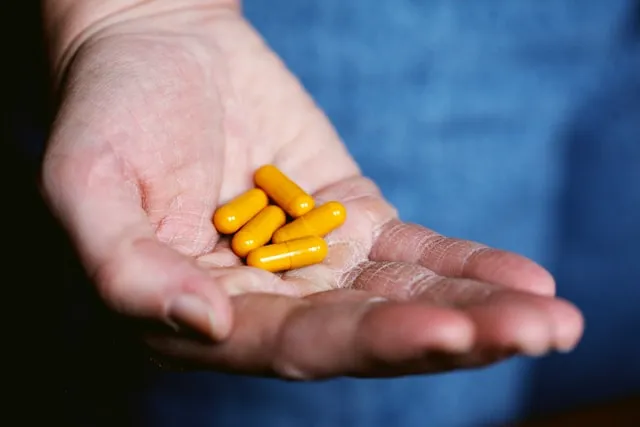
What Turmeric and Curcumin are and how they work
Turmeric is the root (Curcuma longa).
Curcumin and related curcuminoids are its main active compounds.
Standardized extracts (often 95 percent curcuminoids or branded forms) are used to:
support a healthier inflammatory response
provide antioxidant activity
help with joint and tissue comfort when taken consistently
Because raw curcumin is poorly absorbed, many products add piperine (black pepper extract) or use enhanced delivery forms (phytosomes, nanoparticles, etc).

What you may notice when you try Turmeric / Curcumin

Joint comfort
Some users report less morning stiffness, easier warm up, and more comfortable knees, hips, or small joints after a few weeks.
Post workout recovery
A bit less lingering soreness after hard sessions when stacked with sleep, protein, and programming.
General inflammation balance
Used as a background helper in simple heart, joint, or longevity routines, not as a stand alone fix.
Daily feel
When it helps, changes show up as smoother movement and fewer nagging aches, not numbness.
Safety, dosing and who should skip it
Typical dosing
500 to 1,000 mg curcuminoids daily with food, or the labeled dose for enhanced forms. High intakes beyond this should be clinician guided.
Side effects
Stomach upset
Reflux or nausea
Loose stool with higher doses
Usually improves when taken with food or at a lower dose.
Drug interactions
Use caution if you:
Take anticoagulants or antiplatelets
Use NSAIDs long term
Are on multiple meds processed by the liver
Do not stack multiple blood thinning agents without guidance.
Product quality
Third party tested products
Clear mg curcuminoids per serving
Stated use of piperine or specific delivery tech
Tested for heavy metals and adulterants
Avoid super cheap powders with no testing or vague “turmeric complex” listings.
Who should avoid it
Use caution or avoid if you:
have gallstones, active biliary obstruction, or significant liver disease
are pregnant or breastfeeding unless cleared
have upcoming surgery or known bleeding risks
notice persistent GI pain, yellowing of skin/eyes, or unusual bruising after starting
If that happens, pause and get evaluated.
Final Thoughts
Curcumin is a well known, low to moderate risk option for joint and recovery support when dosed correctly and sourced cleanly. A realistic plan is 500 to 1,000 mg standardized curcuminoids daily with food for at least 4 to 8 weeks, while you track stiffness, soreness, and tolerance. If you see steady benefit and no side effects, continue at the lowest helpful dose. If nothing real changes, drop it and focus on higher leverage basics or different joint strategies.