S-Acetyl Glutathione for Detox, Immunity, and Energy: Stable Absorption, Dosing, Safety
Overview
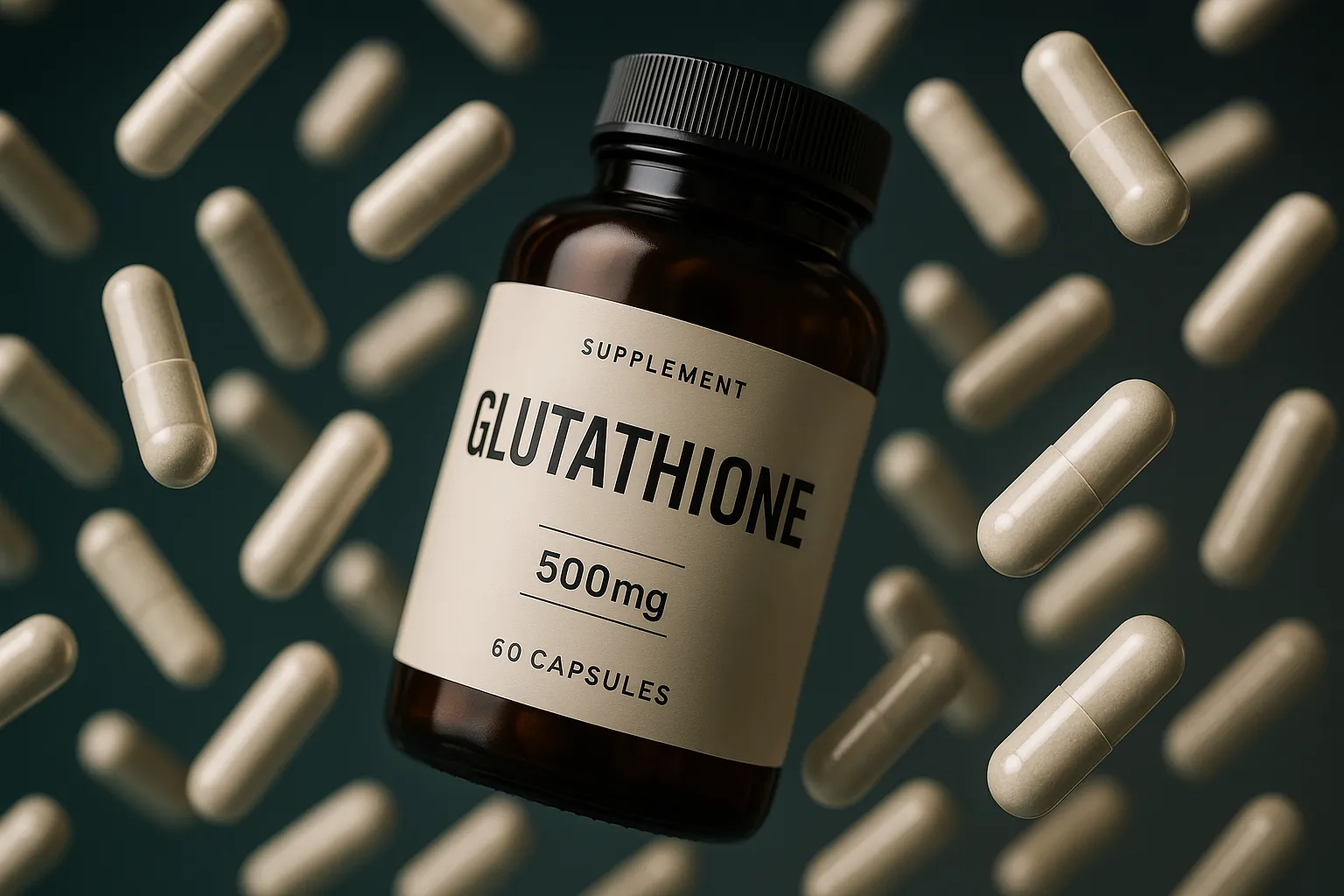
S-acetyl glutathione is a stabilized form of glutathione, one of the body’s main internal antioxidants. People usually take it for antioxidant support, detox and liver support, and healthy aging, especially when they feel their system is under a lot of stress from life, medication, or environment.
The idea is that by supporting glutathione status, you make it easier for your cells and liver to handle oxidative stress and everyday toxin load. It is popular with people who are cleaning up their diet, cutting alcohol, or following anti inflammatory patterns and want extra internal backup. You often see it stacked with an Anti Inflammatory style of eating that already leans on plants, healthy fats, and whole foods.
What S-Acetyl Glutathione is and how it works
Glutathione is a small molecule made from three amino acids that acts as a master antioxidant and detox cofactor inside cells. Standard oral glutathione can be broken down in the gut and may not always deliver as much intact glutathione into the bloodstream or cells.
S-acetyl glutathione is a modified form where an acetyl group is attached. This can make it more stable in the gut and help more of it reach cells, where enzymes can convert it back into active glutathione. The goal is simple: raise effective glutathione availability so your own detox and antioxidant systems can work more smoothly.
You will often see S-acetyl glutathione used together with protocols that target inflammation reduction and liver support, such as an Inflammation Reduction Routine.

What you may notice when you take S-Acetyl Glutathione
Less “hung over by life” feeling
People who respond often describe feeling a bit less toxic and weighed down by busy weeks, travel, or periods of higher exposure to alcohol, processed food, or pollution. It is not an energy drink feeling. It is more like the edges of fatigue and heaviness are softened a little, especially when you are also tightening up sleep and food.
Calmer background inflammation and aches
Because glutathione is central to handling oxidative stress, supporting it can make background aches, stiffness, or “puffy” feelings ease slightly over time. Clinicians who track inflammation may watch markers like hs-CRP, but diet, weight, and activity still drive most of the change.
Support for liver load and detox routines
If your liver is doing a lot of extra work, for example after years of high alcohol intake, medications, or a very processed diet, S-acetyl glutathione is sometimes used as part of a detox support strategy. When it helps, people describe fewer “sluggish liver” sensations like morning heaviness, mild nausea after rich meals, or feeling wrecked after a single drink. In labs, your clinician may watch liver enzymes like ALT as part of the wider picture.
More stable energy on top of lifestyle changes
When glutathione status improves and inflammation is lower, some people find that their daily energy feels more even. They still need good sleep and food, but the swings between “ok” and “I feel wrecked” can get a little smaller. This is usually a slow shift over weeks, not a flip of a switch.
Reality check
S-acetyl glutathione will not undo ongoing heavy drinking, a fast food only diet, or chronic sleep deprivation. It is a support for systems that health habits already engage. If you are not changing anything about nutrition, movement, exposure, and stress, glutathione has very little to amplify.
Safety, dosing and who should skip it
Because S-acetyl glutathione touches detox and antioxidant pathways, context matters.
Digestive and sulfur sensitivity
Some people feel nausea, stomach upset, or loose stool when they start glutathione, especially at higher doses. It is often easier to start low and take it with food. If you know you react strongly to sulfur containing foods or supplements, go slowly and consider working with a clinician, since glutathione metabolism is closely tied to sulfur handling.
Liver disease and complex detox plans
If you have known liver disease, very elevated liver enzymes, or you are already on a heavy detox style supplement stack, do not add S-acetyl glutathione casually. Changing glutathione status can shift how medications and other compounds are processed. It is safer to adjust things under medical supervision so you do not overload fragile systems.
Autoimmune and immune related conditions
Glutathione is involved in immune balance. In people with autoimmune disease or on immune modifying drugs, changing glutathione status can sometimes change how symptoms behave. Food level antioxidants are usually fine, but high dose glutathione supplements should be cleared with your specialist to avoid unexpected flares or interactions.
Cancer treatment and complex medication regimens
If you are in active cancer treatment or on multiple medications that rely on predictable liver metabolism, do not add S-acetyl glutathione without speaking to your oncology or prescribing team. Antioxidant and detox related supplements can sometimes interfere with how certain drugs are meant to work.
Pregnancy and breastfeeding
Protein and antioxidant rich foods that support your own glutathione production are safe and encouraged in pregnancy and breastfeeding. Concentrated S-acetyl glutathione supplements, however, do not have strong safety data in these phases. It is safer to avoid them unless your clinician specifically recommends them and is monitoring you.
New or unexplained symptoms
If you have new severe fatigue, yellowing of the skin or eyes, dark urine, strong abdominal pain, or very rapid health changes, glutathione is not the first step. You need a medical evaluation. Using it to try to “detox” through serious symptoms can delay essential care.
Quality
Look for products that clearly state “S-Acetyl L-Glutathione” with a specific milligram amount per capsule or serving, and that are third party tested. Avoid blends that hide how much glutathione you are actually getting or mix many detox agents at unknown doses. Because glutathione is sensitive to oxidation, well sealed packaging and proper storage away from heat and light help preserve potency.
Final Thougts: S-Acetyl Glutathione
S-acetyl glutathione is a stabilized glutathione supplement used for antioxidant protection, detox and liver support, and healthy aging. People who respond often notice a softer “toxic” or weighed down feeling during stressful weeks, slightly calmer background inflammation, and better tolerance for lifestyle clean up efforts. Typical doses range from about 100 to 600 mg per day with food, used for at least 4 to 8 weeks. It works best as a supportive layer inside a broader plan that includes anti inflammatory nutrition, less alcohol, better sleep, and movement, and it is not the right tool to self treat serious liver or systemic illness without medical input.