

Lactobacillus Reuteri for Gut, Skin, and Mood: Next-Gen Probiotic, Dosing, Safety
Overview
Lactobacillus reuteri is a probiotic strain that naturally lives in the human gut, mouth, and other mucosal surfaces. It is often framed as a “multi system” strain because it shows up in conversations about gut comfort, regularity, skin, oral health, and even mood.
People usually take L. Reuteri for calmer digestion, more regular bowel movements, and support for a healthier gut microbiome. Some also use it for skin support and general immune balance, especially when they are working on a broader gut reset or anti inflammatory plan. It tends to work slowly in the background rather than giving a fast, dramatic effect.
You will often see L. reuteri mentioned inside gut focused routines such as a Gut Reset Protocol, alongside changes in fiber intake, processed food, and stress.
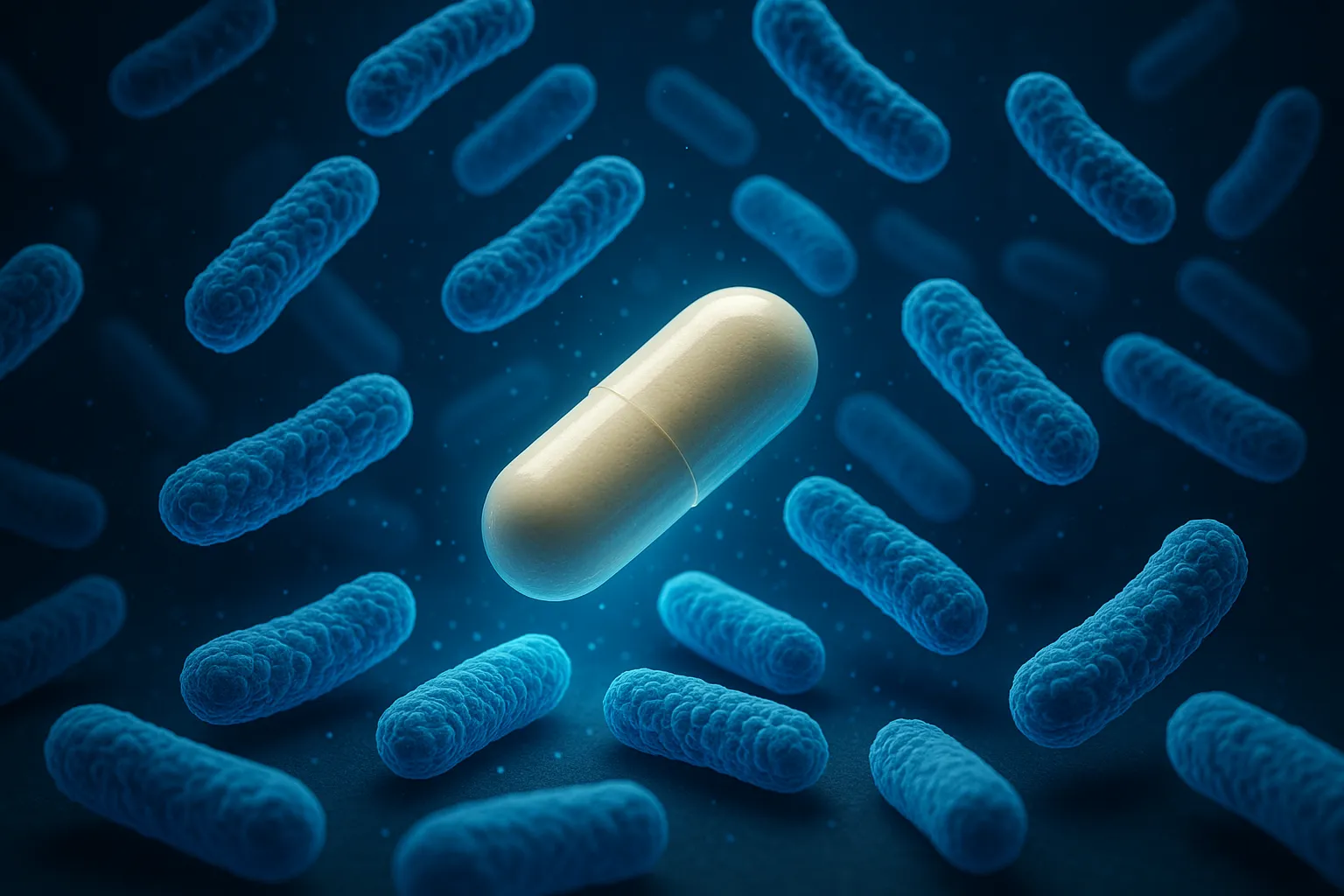
What Lactobacillus Reuteri is and how it works
Lactobacillus reuteri is a lactic acid producing bacteria species that can live close to the gut lining. It helps keep the local environment slightly acidic, produces small antimicrobial compounds, and competes with less friendly microbes for space and resources.
Supplement forms usually provide specific L. reuteri strains in a defined CFU (colony forming unit) count, often in the billions per capsule. The goal is not to “sterilize” the gut but to nudge the overall community toward a pattern linked with better gut and immune balance.
Because it touches gut barrier, immune tone, and inflammation, L. reuteri is often layered into protocols that support gut integrity and calm background inflammation, for example: Gut Barrier Support or Anti Inflammatory

What you may notice when you take Lactobacillus Reuteri
Easier, more predictable digestion
People who respond often notice less random bloating, less “heavy” feeling after normal meals, and more predictable bathroom patterns. It will not rescue you from huge overeating days, but it can make everyday digestion feel smoother when combined with fiber and whole foods.
Calmer, less reactive gut
If your gut tends to overreact to small triggers, L. reuteri can sometimes lower that background sensitivity. That might look like fewer mild cramps, fewer urgent sprints to the bathroom, and less day to day discomfort. It is usually subtle and builds slowly over weeks rather than days.
Support for immune balance
Because so much of immune activity sits in the gut, small shifts in the microbiome can change how “trigger happy” the system feels. Some people on L. reuteri describe fewer small flare ups of gut driven fatigue or brain fog and fewer “mini crashes” after meals. Clinicians who monitor inflammation may look at markers like hs-CRP as part of a bigger picture where diet and weight carry most of the load.
Skin and mood as downstream effects
There is early work linking L. reuteri to skin and mood outcomes, likely via gut barrier, immune signaling, and gut brain pathways. In practice, some people notice slightly calmer skin and a more stable mood once their gut is less inflamed and digestion is more predictable. This is usually a side effect of better gut balance, not a direct “happiness pill” effect.
Reality check
Lactobacillus reuteri will not fix a highly processed, low fiber diet or chronic stress on its own. It works best when it is part of a broader gut health plan that you can actually stick with, not as a single capsule that is expected to do everything.
Safety, dosing and who should skip it
Because L. reuteri is a live microbe (or a postbiotic derived from one), the context around your gut and immune system matters.
Active gut disease and flares
If you have active inflammatory bowel disease, severe abdominal pain, ongoing diarrhea, blood in the stool, or rapid weight loss, Lactobacillus reuteri is not a first line tool. You need a clear diagnosis and plan with your GI team before layering in any specific strain, even one that is generally considered friendly.
Immune compromise and complex medications
If you have a significantly weakened immune system or use strong immune modifying medications, any live probiotic should only be used with your specialist’s approval. Even low risk microbes can behave differently when your immune defenses are altered.
Recent major infections or surgery
After serious infections, hospitalization, or GI surgery, your gut may be more fragile. Some people do well on gentle probiotics, others flare. It is worth checking with your clinician about timing before starting L. reuteri in the middle of recovery.
Pregnancy and breastfeeding
Food based support for gut health, like fiber and fermented foods that you tolerate, is typically preferred in pregnancy and breastfeeding. L. reuteri supplements are generally thought to be low risk, but long term data is still limited. It is safer to involve your obstetric or pediatric team before using any targeted probiotic in these phases.
New or worsening symptoms
If you notice that abdominal pain, bloating, or bowel changes get significantly worse after starting L. reuteri, stop and reassess. Sometimes a strain that is helpful for one person is not a fit for another, and pushing through clear warning signs is not helpful.
Quality
Look for products that list the exact strain name (not just “Lactobacillus reuteri”), the CFU amount per serving, and a “best by” date that refers to live count, not only manufacture date. Third party testing and proper storage (often cool, sometimes refrigerated) are important, because probiotics are sensitive to heat and handling. Avoid blends that hide each strain’s dose in a proprietary mix where you cannot see what you are actually getting.
Final Thoughts : Lactobacillus
Lactobacillus reuteri is a probiotic strain used to support gut balance, regularity, immune tone, and downstream effects on skin and mood. People who respond often notice calmer digestion, fewer random bloating episodes, and a smoother day to day gut experience once they pair it with better food and lifestyle choices. Typical use involves 1 to 10 billion CFU per day, taken consistently for at least 6 to 12 weeks. It is not appropriate as a stand alone fix for active gut disease or serious symptoms without medical input, and it works best as one piece of a broader gut health and metabolic plan, not the entire plan by itself.
