
Glycine for Sleep, Stress, and Metabolism: What It Does and How to Use It
Overview
Glycine is one of the simplest amino acids and also acts as a calming neurotransmitter. People use it when they want better sleep quality, a calmer nervous system, and gentle metabolic support without a sedative or stimulant feel.
Common reasons people reach for glycine:
Difficulty winding down at night, even with okay sleep hygiene
Feeling wired and tired from stress and long workdays
Interest in a simple, low cost amino acid that fits into a Sleep Optimization Routine
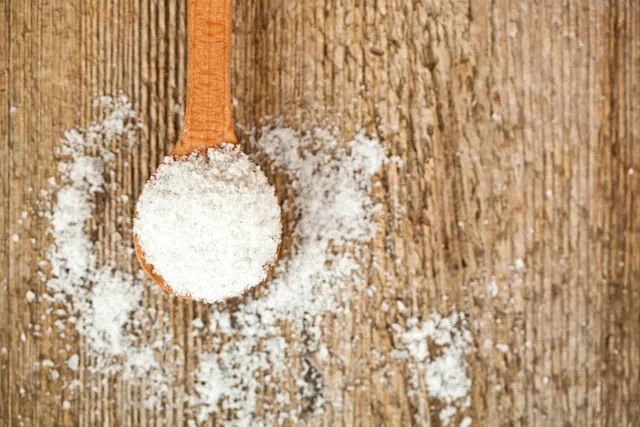
It is often used as an unsweetened powder mixed into water or another drink, especially in the evening.
What Glycine is and how it works
Glycine is a non essential amino acid, which means your body can make it, but it also comes from protein rich foods and collagen heavy cuts of meat. In the body, glycine:
Acts as an inhibitory neurotransmitter in the brain and spinal cord, which helps calm the nervous system
Helps lower core body temperature slightly, which is helpful for falling asleep
Supports collagen formation, which is important for skin, joints, and connective tissue
Plays roles in methylation and detox pathways that connect to metabolic health
Because it is both a structural building block and a calming signal in the nervous system, glycine has effects that touch sleep, stress, and overall recovery.

What you may notice
Effects from glycine tend to be gentle rather than dramatic. When it helps, people often describe changes like these:
Easier sleep onset and deeper sleep
Taken before bed, glycine can help some people fall asleep faster and experience deeper, more restful sleep without a heavy sedated feeling in the morning.
Calmer nervous system feel
Small doses during the day may feel like a quiet smoothing of stress edges. Not a strong chill out effect, more like a slight reduction in mental noise when combined with reasonable breaks and light movement.
Support for stress resilience
Glycine can fit into a broader Stress Resilience Protocol. On its own it will not fix burnout, but it can be a supportive piece next to habits like breathing work, walking, and better boundaries around work hours.
Metabolic and whole body support
Through its roles in collagen and metabolic pathways, glycine may support joint comfort, skin, and blood sugar regulation over time when paired with diet and activity. You are unlikely to feel this directly day to day.
Reality check
If sleep, light, caffeine timing, and stress are all off, glycine will not override everything else. It works best once the basics are at least partly in place.
Safety, dosing and who should skip it
Typical dosing
3 grams before bed is a common starting point for sleep
Total daily intake is often in the 3 to 5 gram range in supplements
Higher daily intakes have been used, but these should only be done with professional guidance
Side effects
Glycine is generally well tolerated. When issues appear, they are usually:
Mild stomach upset, nausea, or loose stools at higher doses
Feeling slightly too relaxed or groggy if the dose before bed is too high for you
If this happens, reduce the dose or timing and see if the effect improves.
Drug interactions and medical context
Extra caution is wise if you:
Take medications that strongly affect the nervous system, such as sedatives, some antidepressants, or seizure medications
Have significant kidney or liver disease that affects amino acid handling
Are on a complex psychiatric medication regimen
In these situations, it is better to let a clinician review your full medication and supplement list before adding glycine at higher doses.
Who should avoid self starting higher doses
Avoid pushing higher dose glycine on your own if you:
Are pregnant or breastfeeding and have not discussed it with your clinician
Are a minor in a structured mental health or medical program
Have a seizure disorder, serious mental health condition, or unstable medical status
Stop and seek professional input if you notice:
New or worsening anxiety, vivid dreams, or panic like feelings after starting
Significant changes in mood or sleep that feel wrong rather than helpful
Product quality
Look for:
Pure glycine powder or capsules with a clearly stated milligram amount per serving
Minimal fillers, flavors, or proprietary blends if you want predictable dosing
Third party testing where possible for purity and contaminants
Final thoughts: Glycine
Glycine is a simple amino acid with surprisingly broad effects. It supports Sleep, Stress Relief, and Overall Health by calming the nervous system, helping with body temperature shifts for sleep, and contributing to collagen and metabolic pathways.
Key takeaways:
3 grams about 30 to 60 minutes before bed is a common starting point for sleep, with total daily intakes often in the 3 to 5 gram range
It works best as part of a bigger picture that includes light, caffeine timing, bedtime routines, and stress management
Side effects are usually mild and mostly digestive at higher doses, but any major mood or sleep shifts should be taken seriously
People with complex medical or psychiatric conditions should bring glycine into the plan only with professional guidance
Used thoughtfully, glycine can be a low friction tool to nudge sleep and stress in a better direction while you work on the habits that do most of the heavy lifting.