

Elderberry for Immune Season and Recovery: Anthocyanin Support, Short-Term Dosing
Overview
Elderberry is used at the first sign of a scratchy throat or congestion and during high-exposure travel. People hope for a milder, shorter cold window and a little throat comfort.
Some also pair Elderberry with Zinc during peak season,.
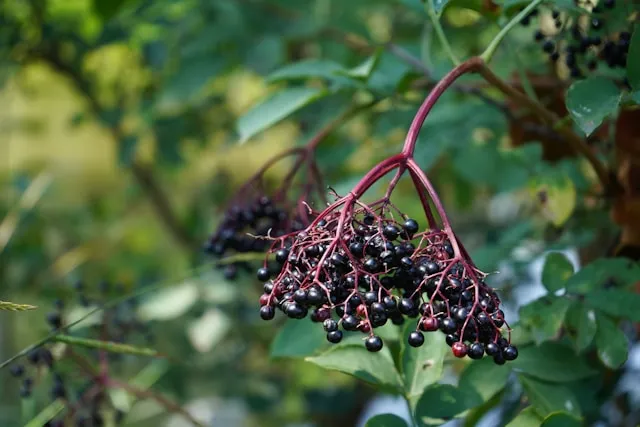
From berry to bottle: what Elderberry is and how it works
Elderberry products usually come as syrup or capsules made from Sambucus berries. They are rich in anthocyanins, which provide antioxidant activity and are the main reason elderberry is marketed for seasonal support.

What you may notice when you try Elderberry

Seasonal support
Some users report they feel a bit less run down and that symptoms ramp slower when started early.
Throat comfort
Syrup formulas can feel soothing and are easy to take several times per day for a short window.
Travel routine
People often keep a small bottle for flights or crowded events.
Safety, dosing and who should skip it
Typical dosing
Short term use. Follow label directions for syrup or capsules. Common pattern is multiple small servings per day for a few days at first signs.
Drug interactions
Use caution with immunosuppressants or if you are on a complex medication plan. Check with a clinician before stacking.
Product quality
Choose third-party tested products. Use only cooked or standardized extracts. Do not use raw berries, leaves, or bark.
Who should avoid it
Pregnancy and lactation unless cleared. Children only with clinician guidance. Stop if you develop rash, stomach upset, or feel unwell.
Final Thoughts
Elderberry is a short-term, seasonal tool. Start early, take as directed for a few days, and track how you feel. If you notice mild support without side effects, finish that short window at the lowest helpful intake. If nothing changes, or if you have autoimmune or medication concerns, it is safer to stop and talk to a clinician.
