
Amla Extract for Skin, Immunity, and Metabolic Support: What It Does and How to Use It
Overview
Amla extract, also known as Indian gooseberry, is a fruit based antioxidant used for skin support, immune health, and metabolic balance. It is naturally high in vitamin C and polyphenols and has been part of Ayurvedic traditions for centuries.
People often take amla extract for clearer skin, more resilient immunity during high stress or cold seasons, and gentler metabolic balance when working on blood sugar and inflammation. It is popular among people who follow an Anti Inflammatory style of eating or a more whole food forward plan.
Amla works mostly in the background. If it helps, it usually supports skin brightness, immune steadiness, and digestive comfort more gradually rather than creating an immediate energizing effect.
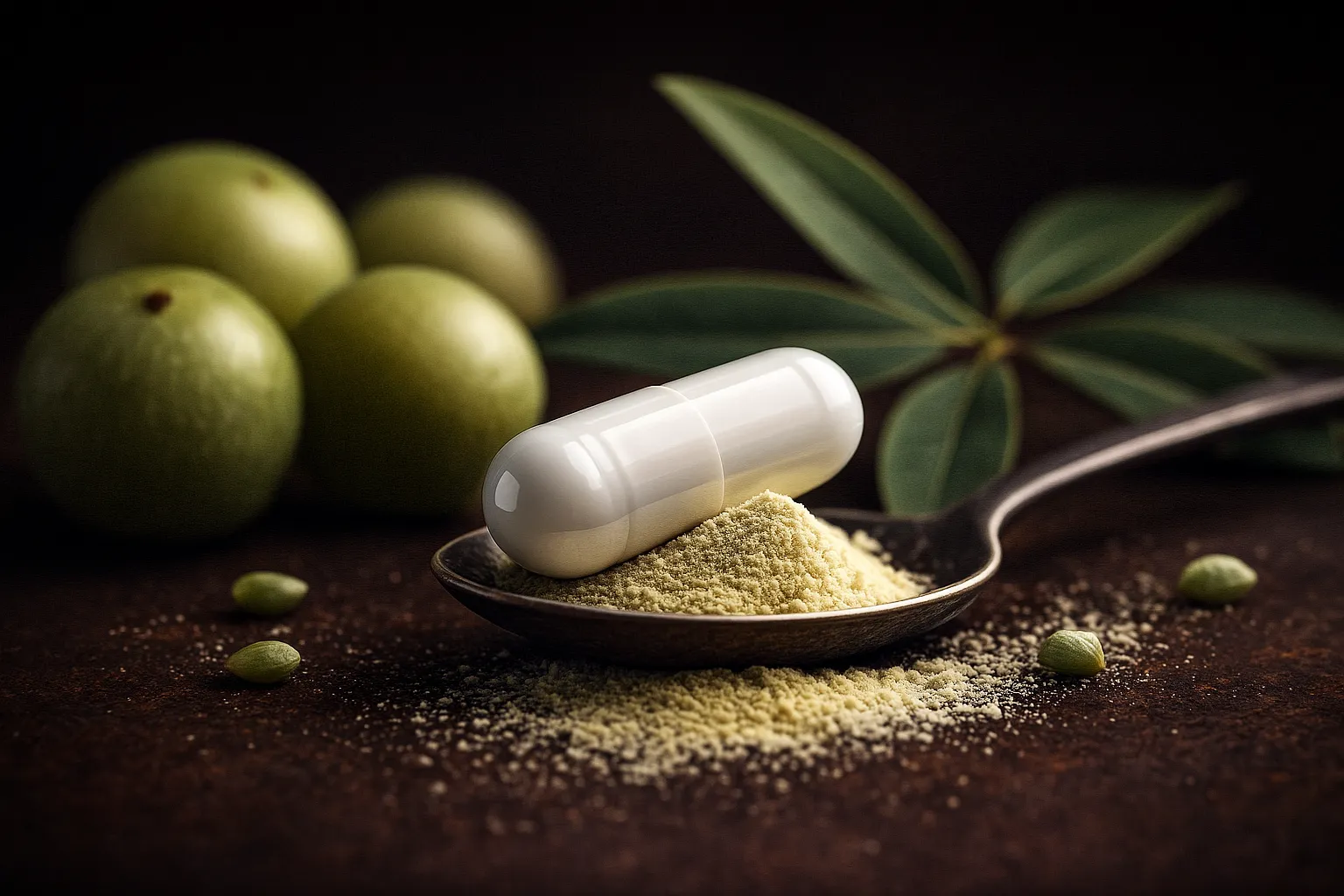
What Amla Extract is and how it works
Amla extract is made from the fruit of Phyllanthus emblica. It is unusually rich in stable vitamin C, tannins, and polyphenols that support antioxidant and anti inflammatory pathways in the body.
These compounds help protect skin cells from oxidative stress, support collagen formation, influence immune signaling, and gently help with metabolic function such as glucose response and lipid balance.
Amla is often integrated into broader health routines that target Inflammation Reduction or metabolic reset patterns, especially when someone is working on blood sugar, skin quality, or immunity.

What you may notice when you take Amla Extract
Brighter, more resilient skin
Because amla contains a stable form of vitamin C and polyphenols, people who respond often notice slightly brighter skin, less dullness after poor sleep, and more even tone over time. It is not a topical. It works from within by supporting collagen and reducing oxidative stress.
Immune steadiness during busy or stressful weeks
Amla can support the body’s antioxidant and immune defense systems. People often describe fewer “almost sick” days or feeling like their body holds up better during high stress periods, heavy travel, or long work blocks. The effect is subtle and relies on good sleep and nutrition as a foundation.
Gentle metabolic support
Amla is sometimes used in metabolic health routines because it may influence glucose and lipid balance when paired with diet changes. People working on a Metabolic Reset style plan may feel slightly more stable energy or fewer hard crashes from meals.
Calmer digestion and less bloating
Amla is traditionally used for digestive support. Some people find that it helps with regularity and reduces mild bloating, especially when they shift to higher fiber diets or anti inflammatory eating patterns.
Reality check
Amla is not a cure for metabolic disease, serious immune conditions, or severe skin issues. It supports antioxidant and inflammatory pathways that healthy habits already activate. If nutrition, stress, and sleep are off, amla will not turn the whole pattern around by itself.
Safety, dosing and who should skip it
Because amla influences antioxidant and inflammatory pathways, most people tolerate it well, but it still deserves some caution.
Digestive sensitivity
Amla can be sour and potent. Some people feel mild stomach upset or looser stool when they start it, especially at higher doses. Taking it with a meal or starting lower usually helps.
Blood sugar and medications
Amla can gently influence glucose response. If you take medications for diabetes or blood sugar control, talk with your clinician before starting it so your plan stays balanced. Hypoglycemia is uncommon but possible when things shift unexpectedly.
Bleeding and antiplatelet concerns
Amla has mild antiplatelet effects. If you take blood thinners or antiplatelet medication, or have a bleeding disorder, do not start amla extract on your own. Your prescribing clinician needs to know before you add it.
Pregnancy and breastfeeding
Food level intake of amla in traditional diets is generally safe, but concentrated extracts have not been well studied. Until more is known, avoid high dose amla supplements during pregnancy or breastfeeding unless a specialist approves them.
Allergy and new unexplained symptoms
If you develop rash, itching, swelling, abdominal pain, or unusual fatigue soon after starting amla, stop and reassess. New or severe symptoms deserve medical evaluation rather than pushing through with supplements.
Quality
Look for products that list standardized vitamin C or polyphenol percentages, clearly state the milligram amount per capsule, and use third party testing. Avoid proprietary blends where you cannot see how much actual amla is included. Proper storage matters because vitamin C rich extracts can degrade with heat and light.
Final Thoughts: Amla Extract
Amla extract is a fruit based antioxidant used for skin brightness, immune resilience, digestion, and gentle metabolic support. People who respond often notice clearer skin, fewer “almost sick” days, and more stable energy when it is paired with strong foundations like sleep, nutrition, and movement. Typical doses range from 250 to 1 000 mg per day with food, used consistently for at least 4 to 8 weeks. It is usually well tolerated but should be used with caution if you take blood thinners, glucose lowering medications, or are pregnant. Amla works best as a supportive layer inside an anti inflammatory and metabolic plan, not as a stand alone fix.