
Alpha Lipoic Acid for Nerve Pain and Blood Sugar: Antioxidant Co-Factor, research evidence, Dosing
Overview
Alpha Lipoic Acid (ALA) is an antioxidant your body already makes in tiny amounts. You can also take it as a supplement.
People mainly use it for two things:
Burning, tingling, or numbness in the feet from diabetic nerve pain
Support for blood sugar in insulin resistance or type 2 diabetes
In some studies, around 600 mg per day of ALA reduced nerve pain symptoms in people with diabetic neuropathy, especially burning in the feet. Not every study shows better walking or function, so the goal here is “it hurts less,” not “back to normal.”
ALA can also improve insulin sensitivity in some adults. This may help the body handle glucose. The tradeoff: if you are already on diabetes meds, it can sometimes push blood sugar too low. Rare cases of sudden low blood sugar have been linked to ALA (insulin autoimmune syndrome).
If your main question is Blood Sugar Control, people often compare Alpha Lipoic Acid with Berberine
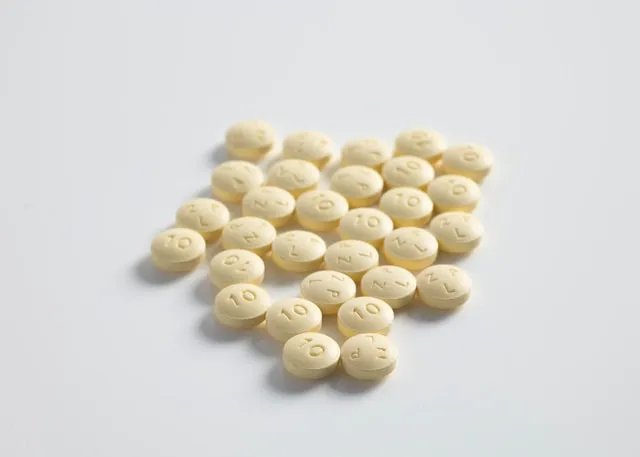
What Alpha Lipoic Acid is and how it works
Alpha Lipoic Acid is a sulfur-containing fatty acid that helps your cells turn food into usable energy. It also helps recycle other antioxidants like vitamins C and E.
You get small amounts from food like spinach, broccoli, and organ meats, and your body makes a little on its own. Supplement capsules deliver much higher levels than diet alone.
Why people take it:
For nerves: ALA may lower oxidative stress and calm irritated nerves in diabetes. That is linked to less burning and tingling in the feet.
For metabolism: short studies suggest better insulin sensitivity in some people with type 2 diabetes or insulin resistance.

What you may notice

Nerve relief
Adults with diabetic neuropathy sometimes report less burning, tingling, or numbness in the feet after taking about 600 mg per day. In trials, symptoms eased over a few weeks.
Blood Sugar Control
ALA can improve insulin sensitivity, which may slightly improve glucose handling in some people with insulin resistance or type 2 diabetes. This is not universal, and it is not a diabetes cure, but it is the main reason people use it for metabolism.
Antioxidant support
ALA works as a cellular antioxidant. It helps buffer oxidative stress and inflammation in nerve tissue and metabolic tissue.
How to test it for two weeks
Pick one goal: nerve comfort or blood sugar support. Do not try to track five things at once.
Start low at about 300 mg per day with food. If you feel fine, go up to about 600 mg per day. That 600 mg range is what most nerve pain studies used.
Track every day:
Nerve goal: rate burning or tingling (0 to 10) in the same spot, for example the soles of your feet.
Blood sugar goal: note fasting glucose and watch for “low” signs like shaky, sweaty, or light-headed. Those can mean blood sugar dropped too far.
If nothing changes after about 2 weeks at 600 mg per day, or you feel worse, stop. Treat ALA like a targeted test, not a forever vitamin.
Safety, dosing and who should skip it
Typical dosing
Most common range is 200 mg to 600 mg per day. For diabetic nerve pain, about 600 mg once daily is the dose that shows up most in research. Higher intakes (800 mg to 1,200 mg and up) have been studied but mainly add more stomach upset, not more benefit.
Drug interactions
Do not combine ALA with insulin or strong blood sugar meds without supervision. Because ALA can boost insulin sensitivity, rare cases of severe hypoglycemia have been reported.
Use caution if you are on thyroid meds or blood thinners. There are reports that ALA can interfere with thyroid hormone, and there is a theoretical bleeding risk with anticoagulants.
Who should avoid it
People already on insulin or oral diabetes medication, unless a clinician is watching glucose.
Anyone with unexplained low blood sugar episodes.
Pregnancy and breastfeeding: short term use around 600 mg per day has been reported as tolerated, but long term safety data are limited, so get medical guidance first.
Children: higher accidental doses in younger kids have caused serious toxicity, including seizures. ALA is not something to give casually to kids.
Quality
ALA is sold as a supplement, not a prescription drug. Look for third party tested or GMP style products so you know the dose is real and not contaminated.
Final Thoughts
Alpha Lipoic Acid is not an all purpose anti-aging pill. It is closer to a targeted tool.
For some adults with diabetic neuropathy, around 600 mg per day can mean less burning and tingling in the feet. For some adults with insulin resistance, it may help insulin work better and nudge glucose in a better direction.
If what you actually want is calmer mood, better sleep, or “wind down,” most people look at 5-HTP instead of ALA: 5-HTP