The Raw Food Diet — Rules, Evidence, Safety Risks, and A Sample Day | Neura Health
Links:
Summary
The Raw Food Diet prioritizes uncooked foods such as vegetables, fruit, nuts, seeds, and sprouted grains and legumes, with many followers choosing a fully vegan approach. Definitions vary, but most versions avoid heating foods above roughly 46 to 48 °C to preserve texture and heat-sensitive compounds. Medical overviews note potential upsides from eating more plants and fewer ultra-processed foods, alongside real concerns about nutrient gaps and food safety.
Core Principles of the Raw Food Diet
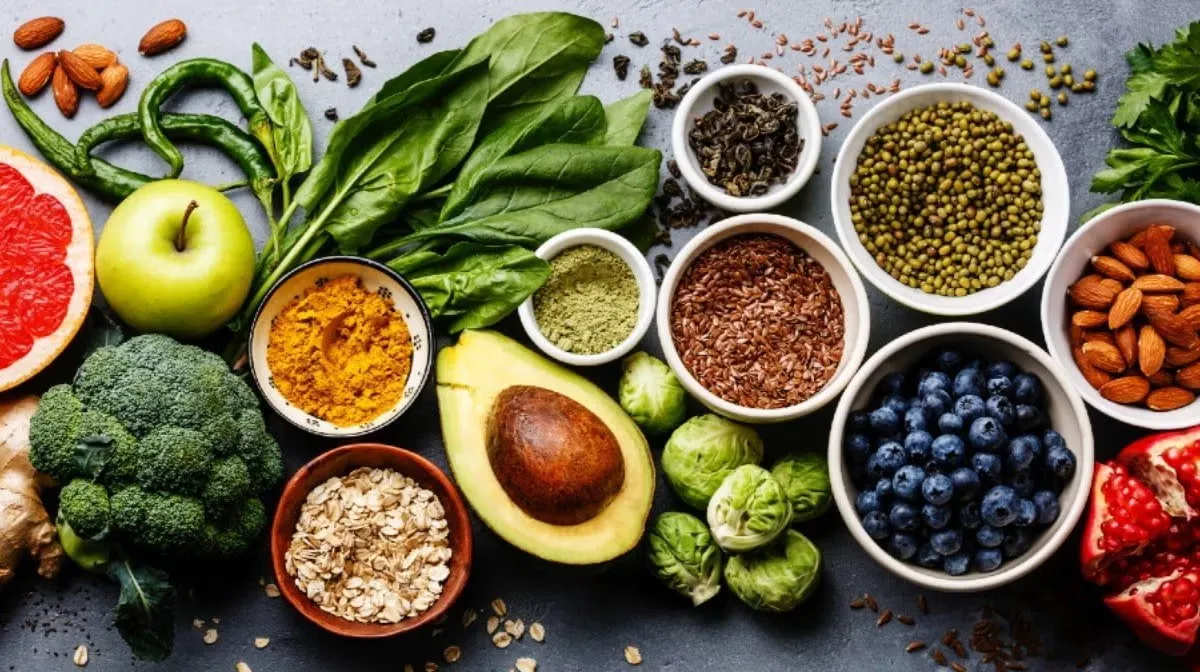
Daily plates lean on fresh produce, soaked or sprouted legumes and grains, nuts, seeds, sea vegetables, cold-pressed oils, and dehydrated items. Conventional bread, most cooked grains and legumes, and pasteurized dairy are excluded, with many adherents also avoiding coffee and alcohol. In practice, people succeed by rotating a wide variety of raw plants, keeping portions of energy-dense nuts and oils sensible, and using food-safety habits for raw produce and sprouts.
For adjacent templates and recipe ideas, explore the fully Vegan Diet, the flexible Vegetarian Diet, and whole-food Plantstrong.


Health and Practical Considerations
Research on long-term raw diets shows substantial weight loss in many adherents, including a risk of underweight and menstrual disturbances at very high raw adherence, which argues against extreme restriction without clinical oversight. Experts also flag common shortfalls for vitamin B12, calcium, iodine, iron, zinc, and vitamin D if fortified foods or supplements are not used. Food-safety risks rise with raw animal products and with raw sprouts, which are a frequent source of outbreaks. Keep produce handling meticulous and consider limiting high-risk raw items. Cleveland Clinic
Why it matters: shifting toward more plants and fewer ultra-processed foods is beneficial, but most people achieve this safely with a mix of raw and cooked foods. Cooking can improve bioavailability of some nutrients and reduce pathogens, so a balanced approach often works better for sustainability and health.
A Day on the Raw Food Diet
Breakfast (7:30 AM):
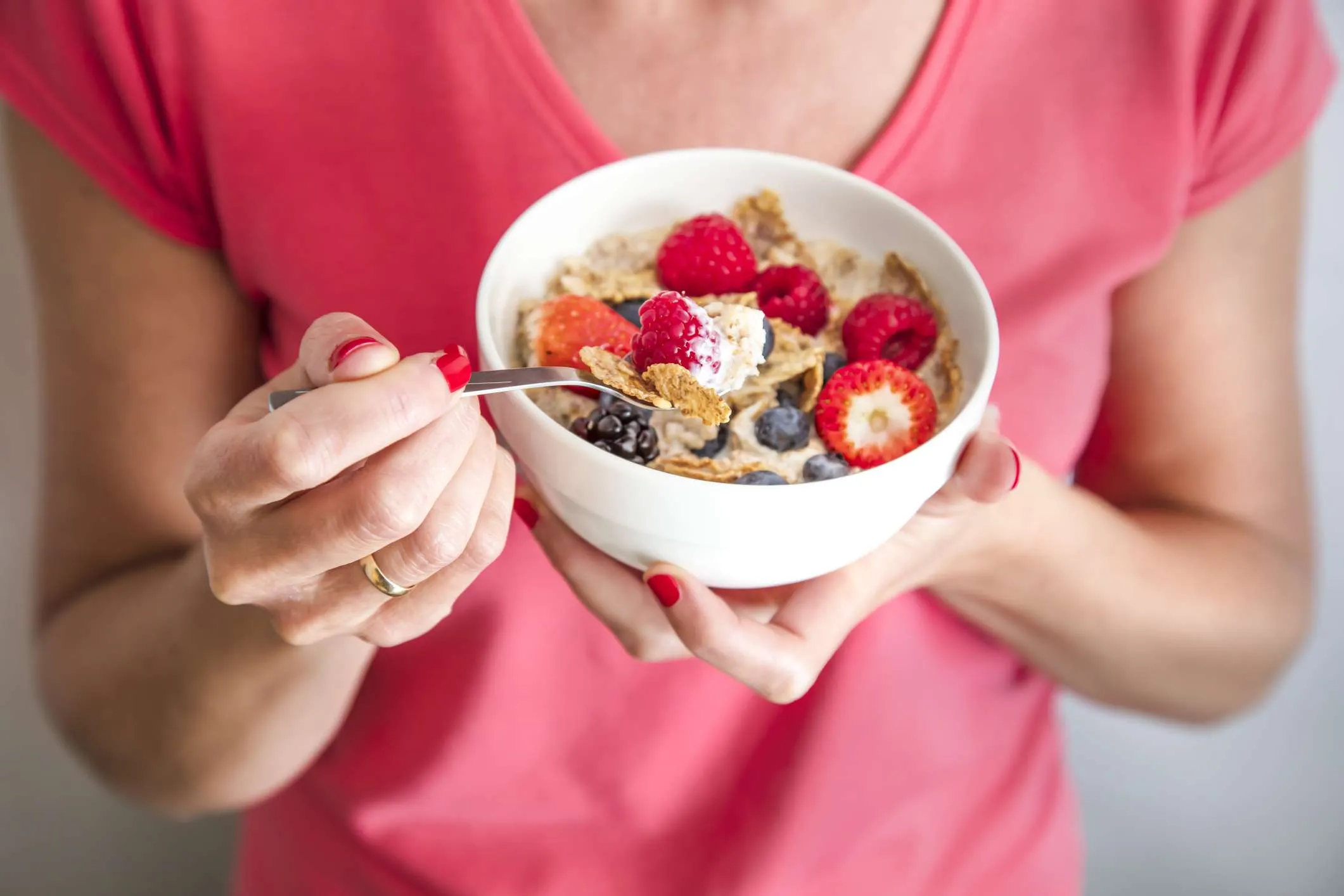
Green smoothie with spinach, kiwi, cucumber, chia, and water, plus a bowl of seasonal fruit.
Lunch (12:30 PM):
Large salad with mixed greens, tomatoes, cucumber, shredded carrot, avocado, hemp seeds, lemon, and olive oil. Side of zucchini “noodles” with basil pesto.
Snack (4:30 PM):
Apple and a small handful of walnuts, or raw cocoa nibs with pumpkin seeds.
Dinner (7:00 PM):
Dehydrated vegetable and sunflower-seed “tacos” with pico de gallo, shredded cabbage, and herbs. If tolerated, a small portion of soaked and sprouted quinoa. Herb tea after the meal.
Beverages:
Water, sparkling water, unsweetened herbal tea. Practice careful washing and storage of fresh produce.